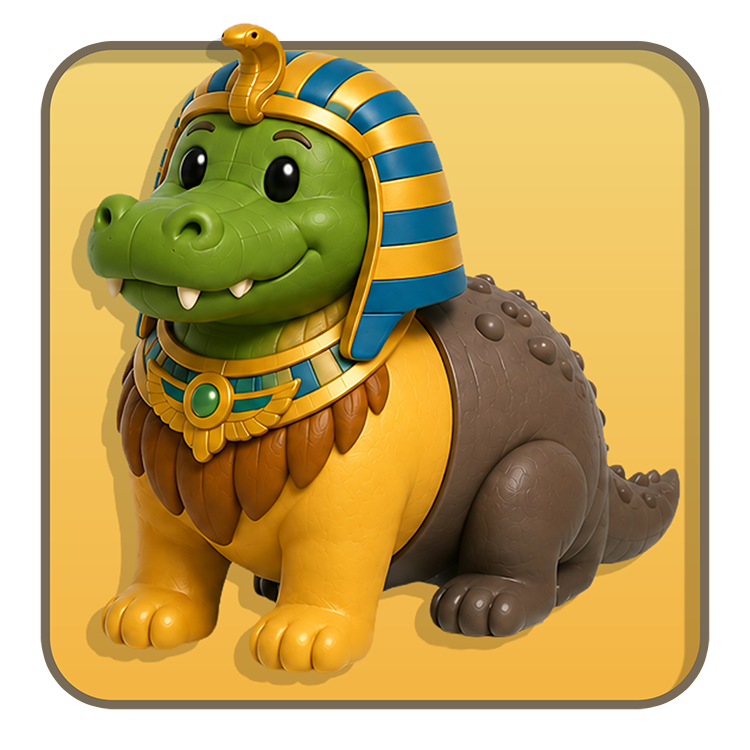
Fun fact: Ammit's name meant something like 'she who swallows the dead'.
Learn more about Ammit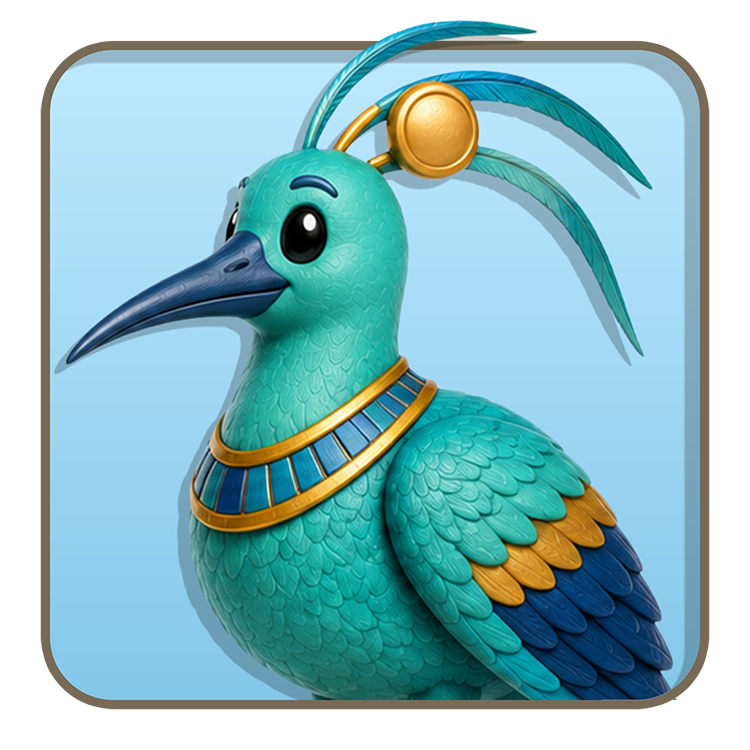
Fun fact: The pointed benben stone linked with creation probably influenced the shape placed on top of pyramids and obelisks, called a pyramidion.
Learn more about Bennu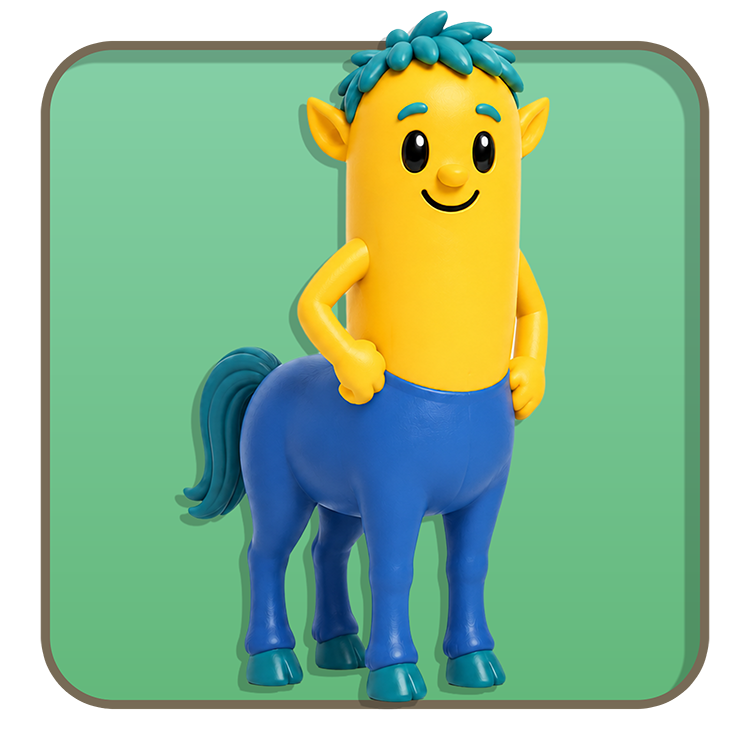
Fun fact: A female centaur is called a centauride — and Roman artists sometimes showed them with baby centaurs!
Learn more about Centaurs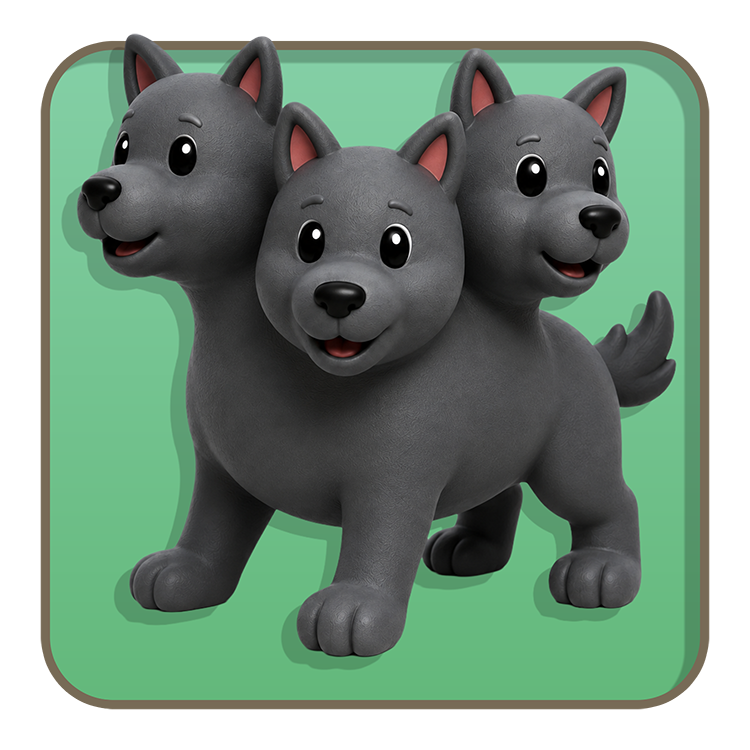
Fun fact: Hesiod gave Cerberus fifty heads. Three suddenly seems quite manageable!
Learn more about Cerberus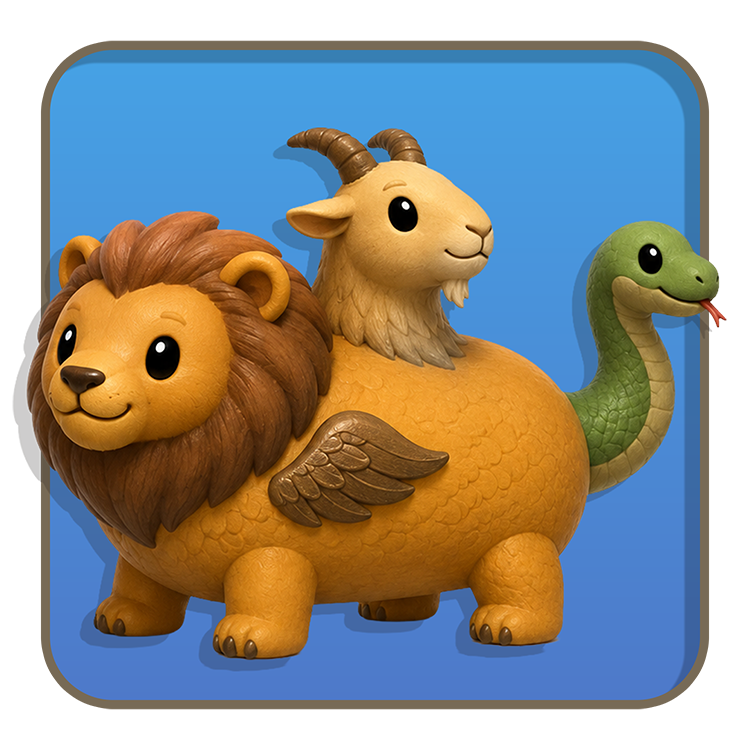
Fun fact: The word ‘chimera’ still means an impossible mixture or unrealistic dream today!
Learn more about Chimera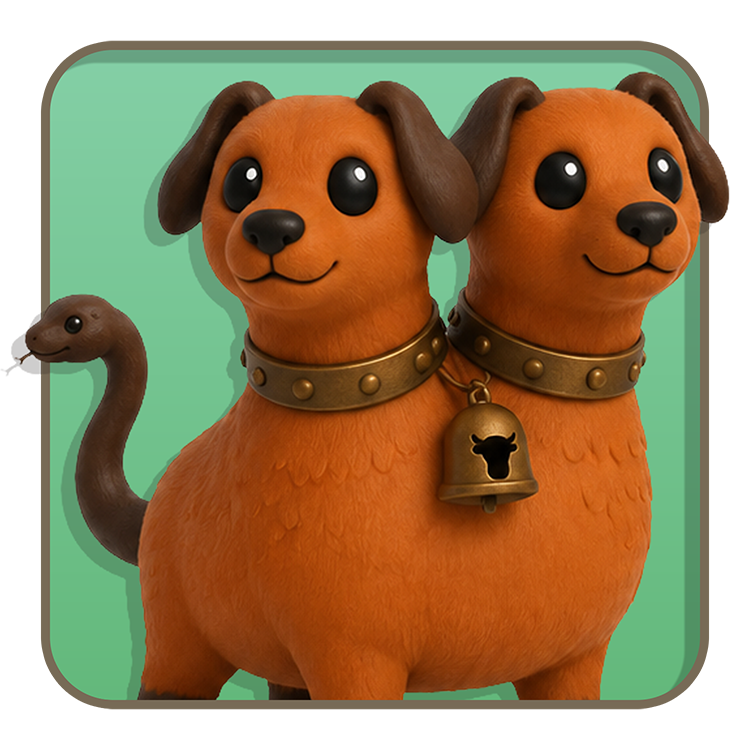
Fun fact: Orthus was Cerberus’s two-headed brother. Apparently three heads was the deluxe model!
Learn more about Orthus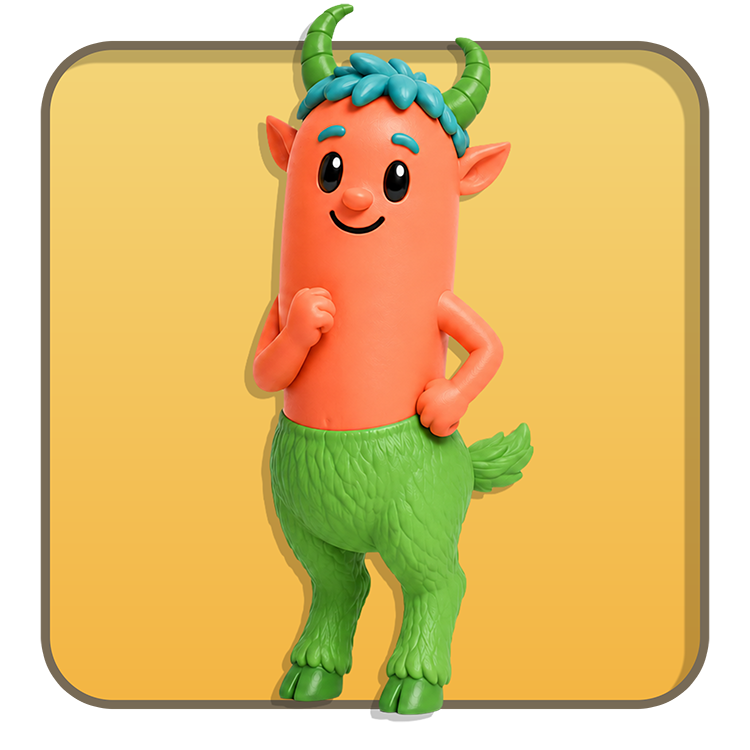
Fun fact: Fauns were so closely mixed with Greek satyrs that even experts sometimes have to study an ancient picture carefully to decide which is which!
Learn more about Fauns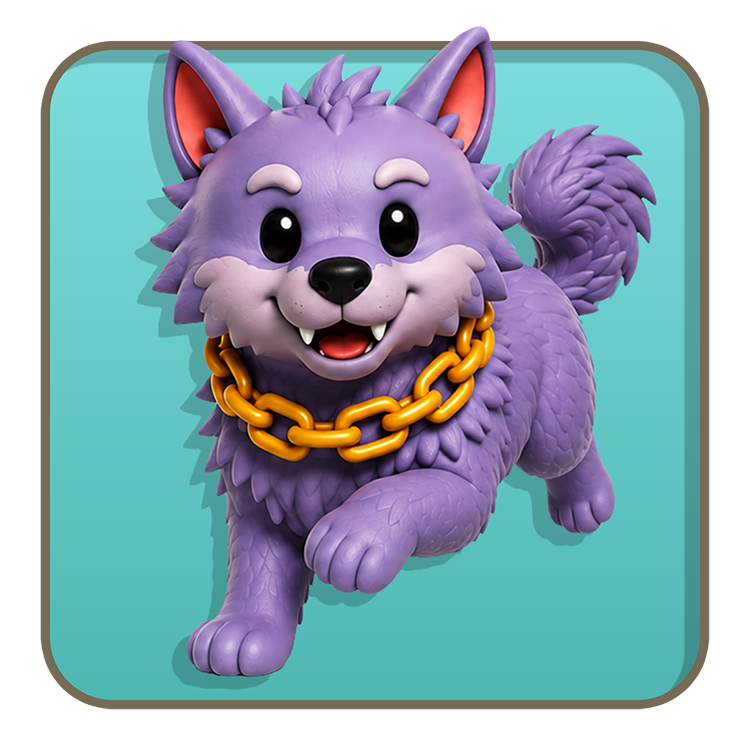
Fun fact: Gleipnir looks like a silk ribbon even though it is stronger than the heaviest chain.
Learn more about Fenrir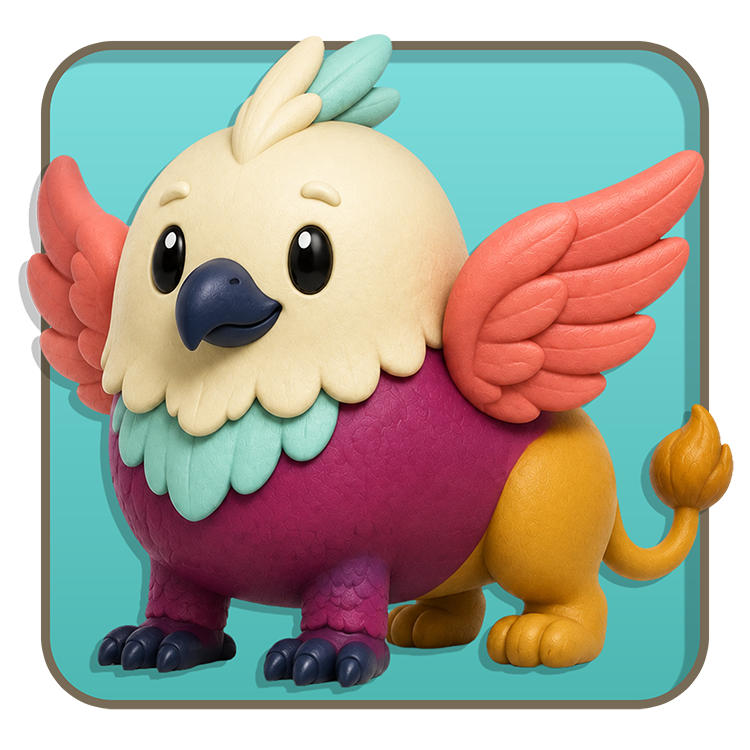
Fun fact: Ancient stories sometimes said griffins guarded piles of gold in distant lands. Apparently a normal guard dog was not enough!
Learn more about Griffins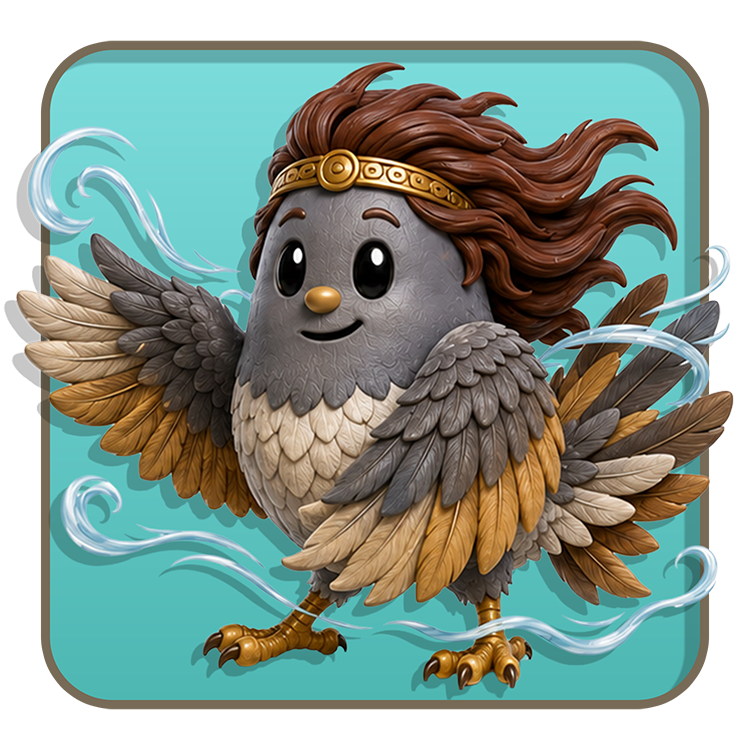
Fun fact: Harpies were basically mythology's worst dinner guests. They arrived uninvited, stole the food and left a prophecy!
Learn more about Harpies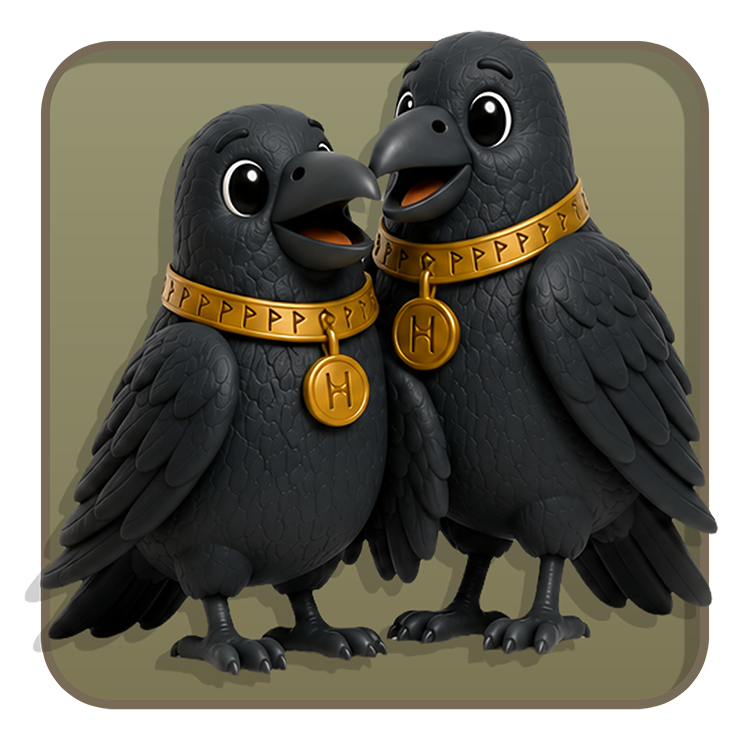
Fun fact: Odin says he fears for both birds, but fears more for Muninn, Memory. Nobody knows exactly why.
Learn more about Huginn & Muninn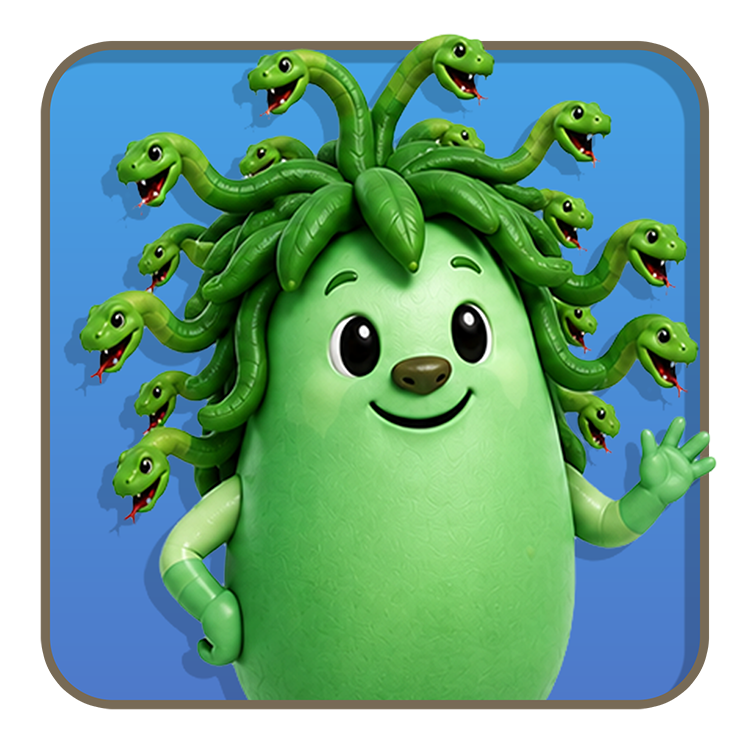
Meet Medusa, the most famous of the three Gorgon sisters! Medusa had snakes for hair and a gaze so powerful that anyone who looked directly at her turned to stone. Unlike her immortal sisters Stheno and Euryale, Medusa could be killed. The hero Perseus was sent to bring back her head and survived by looking at her reflection in Athena’s polished shield instead of staring at her. Ancient stories about Medusa changed over time. Early versions mainly present her as a monster, while the Roman poet Ovid later gave her a much sadder beginning. I think that is why Medusa remains so interesting: she can be frightening, tragic and even protective all at once.
Fun fact: Ancient Greeks put Medusa’s face on buildings and armour to scare danger away!
Learn more about Medusa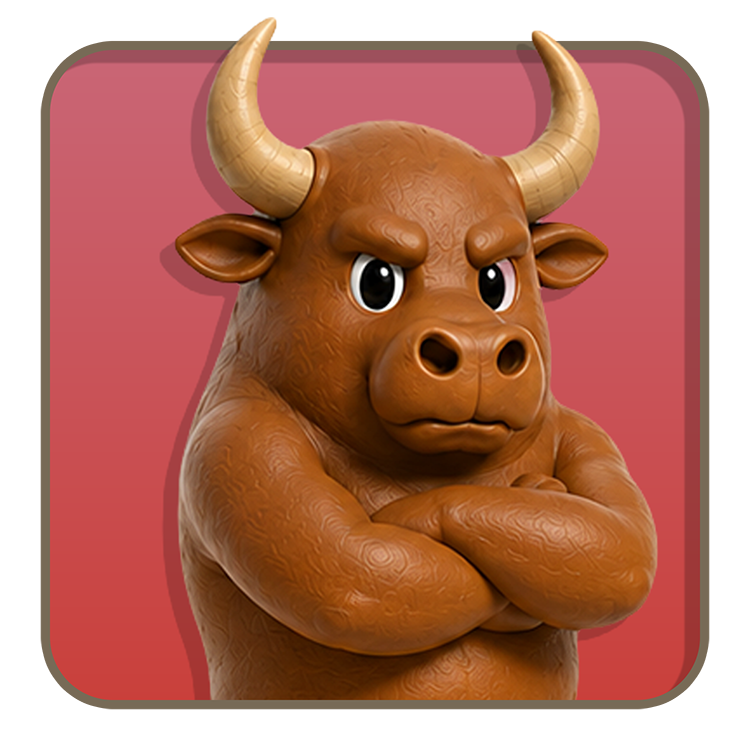
Meet the Minotaur, the terrifying bull-headed creature hidden at the centre of the Labyrinth on Crete! The Minotaur had the body of a man and the head of a bull and was the strange child of Queen Pasiphaë. King Minos ordered the inventor Daedalus to build an enormous maze to contain him. Athens was later forced to send young people into the Labyrinth until the hero Theseus volunteered to stop the monster. Minos’s daughter Ariadne gave Theseus a thread so he could find his way back out after the fight. I think the Minotaur is scary, but also quite sad. He spends his whole life trapped because of decisions made by powerful adults around him.
Fun fact: The Minotaur was sometimes called Asterion, which means ‘starry’!
Learn more about the Minotaur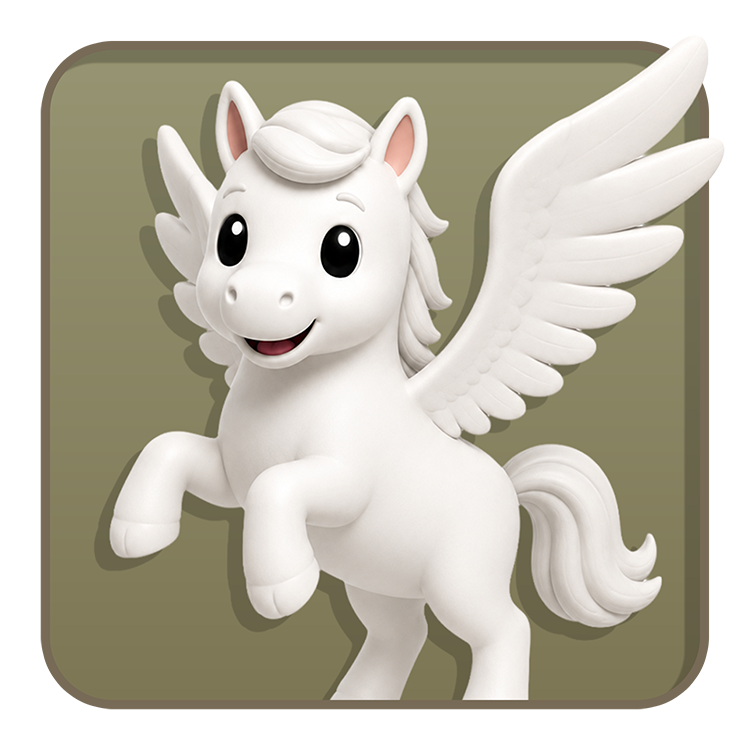
Fun fact: Pegasus later carried Zeus’s thunder and lightning. That is quite a promotion for a horse!
Learn more about Pegasus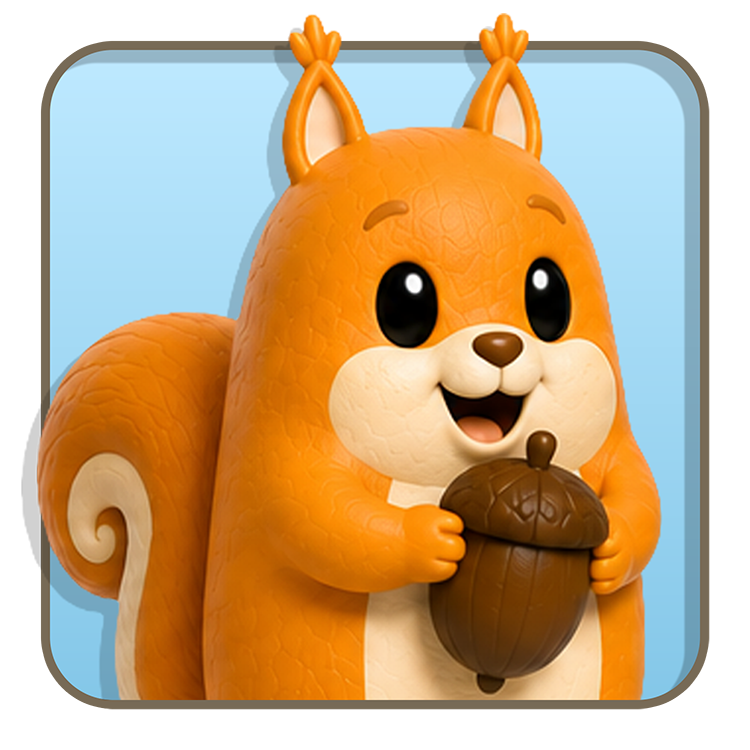
Fun fact: Ratatoskr may be one of mythology’s busiest messengers, but he never delivers anything helpful.
Learn more about Ratatoskr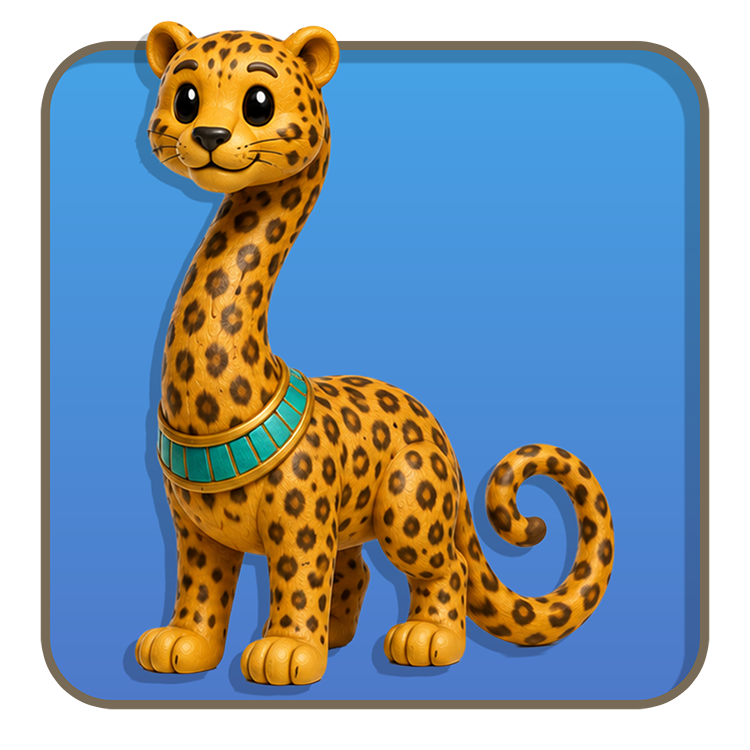
Fun fact: The two serpopards on the Narmer Palette turn their heads away from each other while their necks loop together.
Learn more about the Serpopard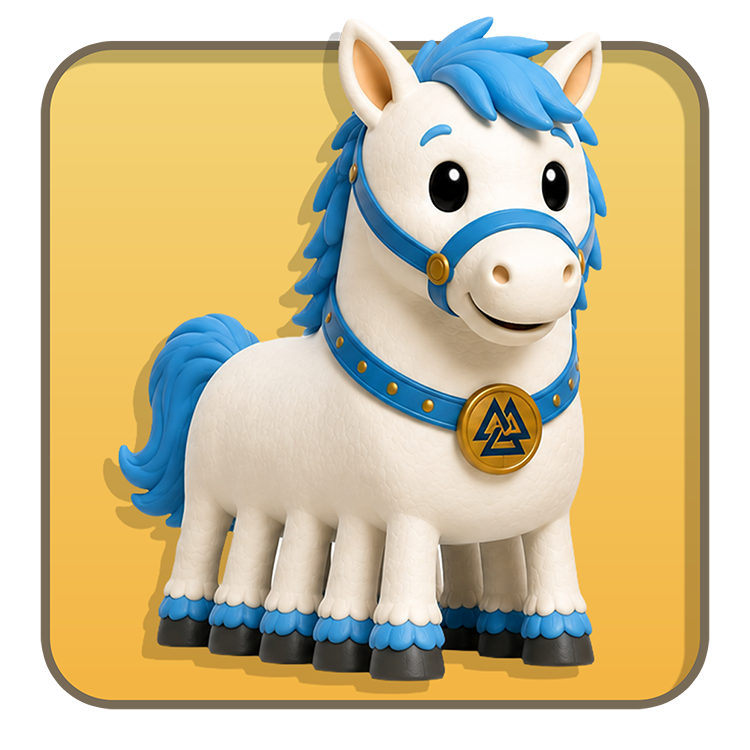
Fun fact: Sleipnir is the uncle of Fenrir, Jörmungandr and Hel because Loki is parent to all four.
Learn more about Sleipnir
Fun fact: The Great Sphinx has a lion’s body and a human head.
Learn more about Spinx
Fun fact: The strix was a frightening night creature linked with attacks on sleeping children.
Learn more about the Strix

Hi! I’m Jocelyn, and I created Mythfits Society to make discovering ancient myths easier, more interesting and much more fun.
Read My Story