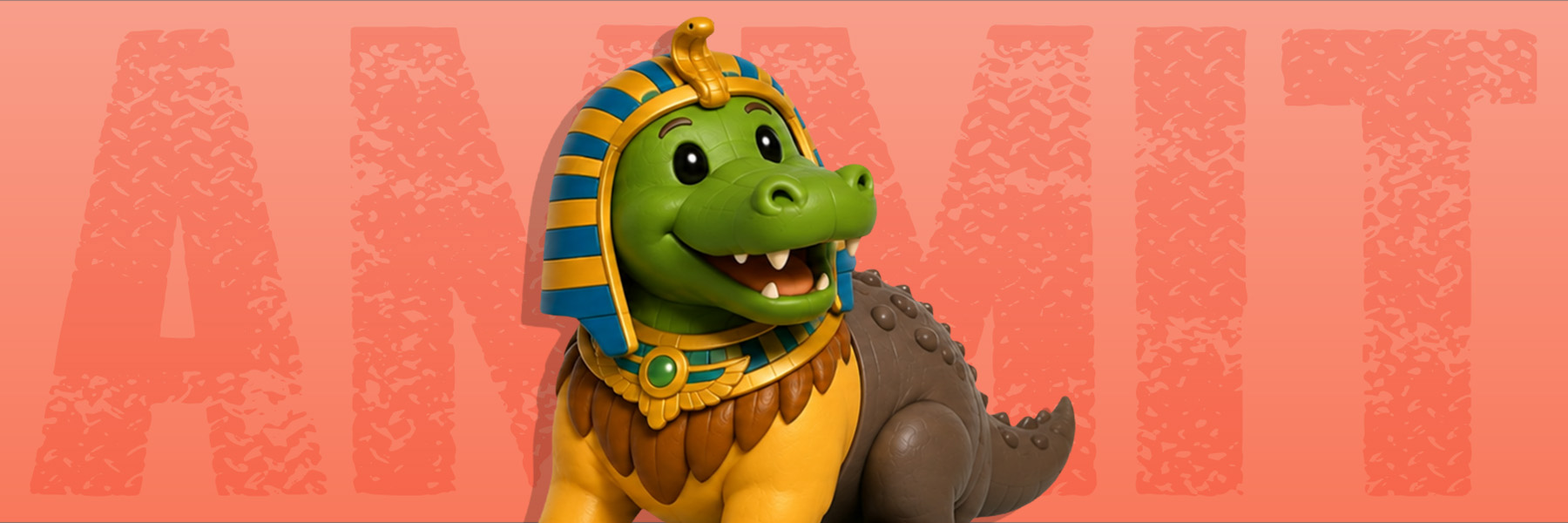
The best-known judgement scene appears in copies of the Book of the Dead from the New Kingdom and later periods. Anubis leads the deceased to the scales and checks the balance. The heart is weighed against the feather of Ma'at, representing truth and proper order. Thoth records the result, while Osiris presides over the court. Ammit crouches nearby. If the heart balances correctly, the deceased may continue towards a blessed afterlife. If not, Ammit is ready to consume it. For Egyptians, the heart was the centre of memory, thought and character. Embalmers usually left it inside the body even when other organs were removed. A special heart scarab could carry a spell asking the heart not to speak against its owner during judgement. The test was not about physical weight.
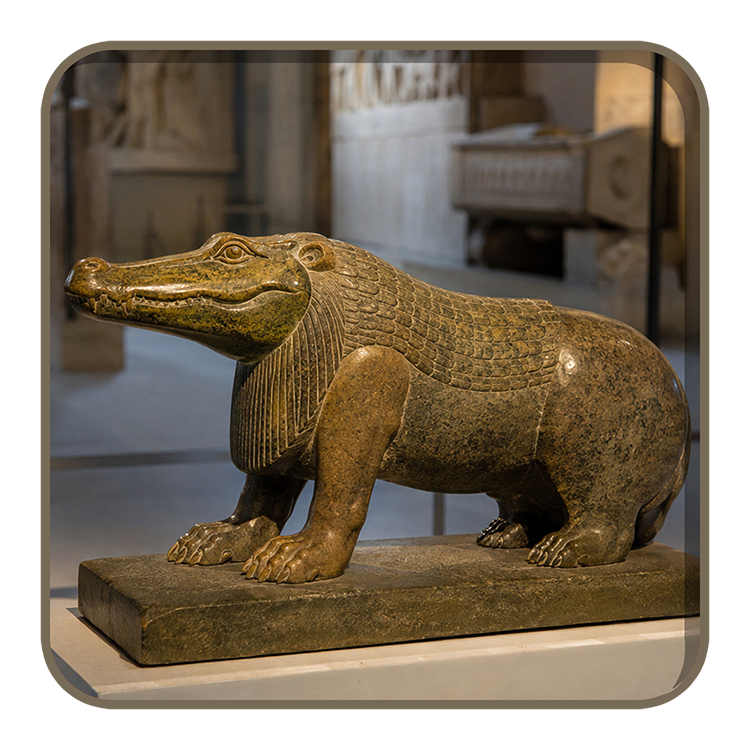
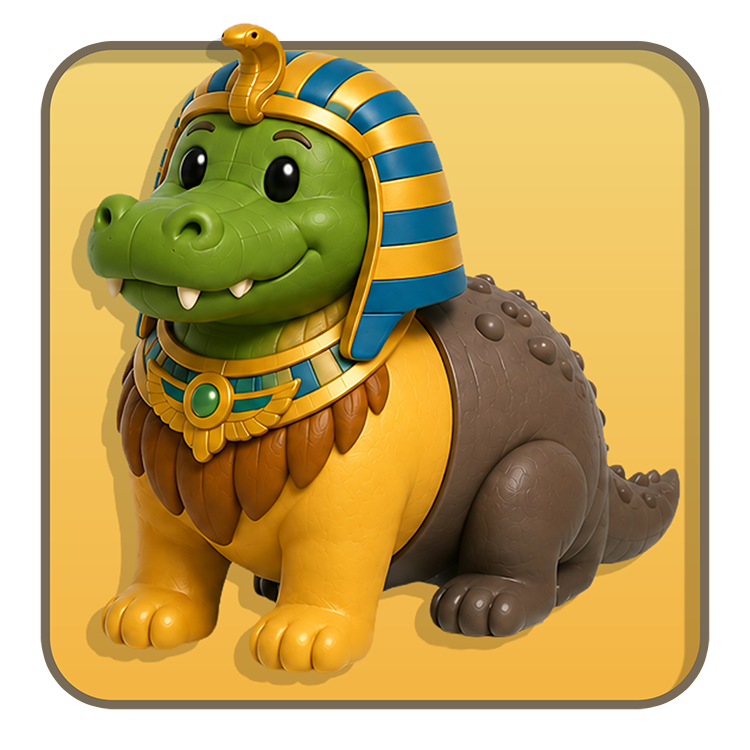
Tomb artists used a balance to make an invisible moral judgement understandable. A lifetime of choices had to measure up against Ma'at. Ammit's punishment was sometimes called a second death. The person did not simply move to a fiery prison ruled by Ammit. Instead, the heart and the chance of a continuing afterlife were destroyed. This is why calling her the Egyptian goddess of hell can be misleading. She was closer to a supernatural executioner or guardian attached to the judgement hall. She had frightening power, but she did not usually receive temples or a large independent cult. Her animal parts were carefully chosen. Nile crocodiles could seize animals at the water's edge. Lions were powerful hunters associated with desert boundaries and royal force. Hippopotamuses looked rounded but could be fiercely territorial.
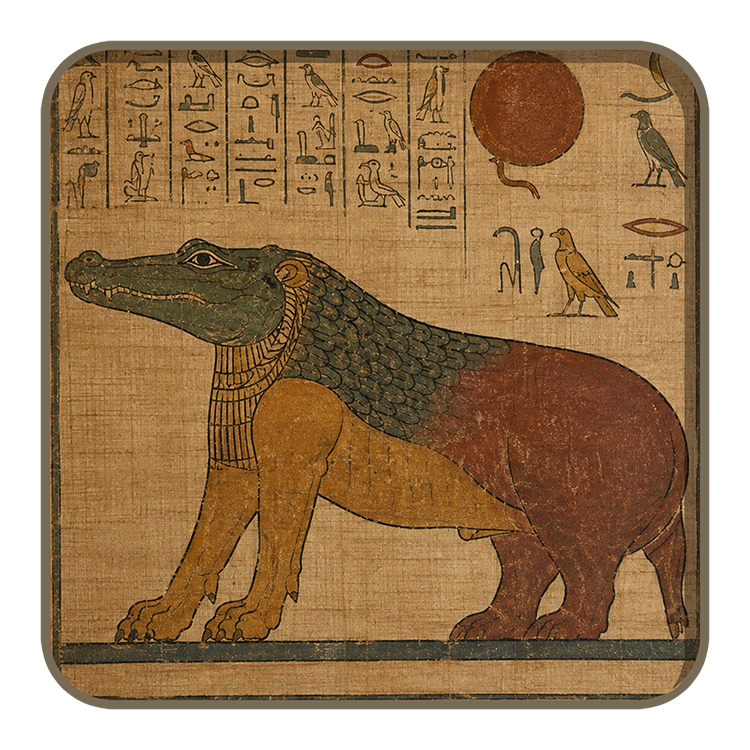
Combining these creatures made Ammit impossible to mistake for an ordinary animal. Her hybrid body warned that judgement had real consequences. Egyptian artists sometimes varied the exact details, but the three-part monster became her most recognisable form. One famous image appears in the Papyrus of Ani, now in the British Museum. Ani and his wife watch as his heart is weighed. The scene contains writing as well as pictures, including declarations of innocence. Such papyri were made for particular individuals and placed in tombs. Not every copy used exactly the same selection or layout. Wealthier customers could afford longer and more richly illustrated scrolls, while others relied on different funerary texts and objects.


Hi! I’m Jocelyn, and I created Mythfits Society to make discovering ancient myths easier, more interesting and much more fun.
Read My Story