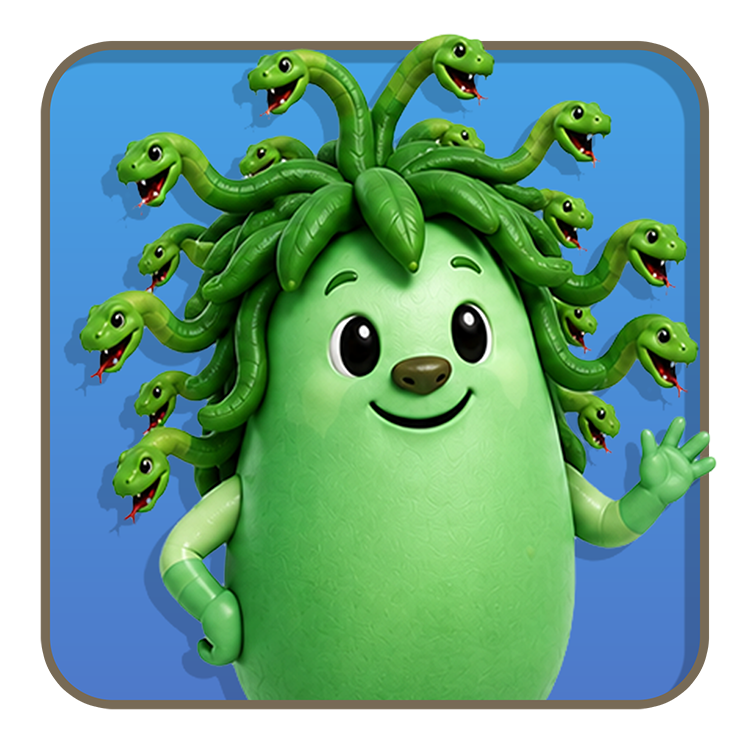
Meet Medusa, the most famous of the three Gorgon sisters! Medusa had snakes for hair and a gaze so powerful that anyone who looked directly at her turned to stone. Unlike her immortal sisters Stheno and Euryale, Medusa could be killed. The hero Perseus was sent to bring back her head and survived by looking at her reflection in Athena’s polished shield instead of staring at her. Ancient stories about Medusa changed over time. Early versions mainly present her as a monster, while the Roman poet Ovid later gave her a much sadder beginning. I think that is why Medusa remains so interesting: she can be frightening, tragic and even protective all at once.
Fun fact: Ancient Greeks put Medusa’s face on buildings and armour to scare danger away!
Learn more about Medusa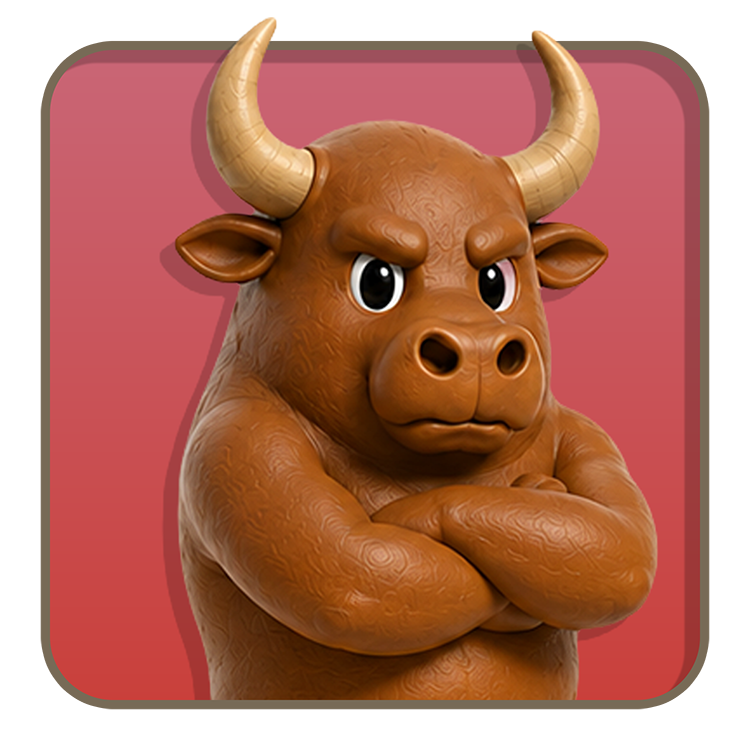
Meet the Minotaur, the terrifying bull-headed creature hidden at the centre of the Labyrinth on Crete! The Minotaur had the body of a man and the head of a bull and was the strange child of Queen Pasiphaë. King Minos ordered the inventor Daedalus to build an enormous maze to contain him. Athens was later forced to send young people into the Labyrinth until the hero Theseus volunteered to stop the monster. Minos’s daughter Ariadne gave Theseus a thread so he could find his way back out after the fight. I think the Minotaur is scary, but also quite sad. He spends his whole life trapped because of decisions made by powerful adults around him.
Fun fact: The Minotaur was sometimes called Asterion, which means ‘starry’!
Learn more about the Minotaur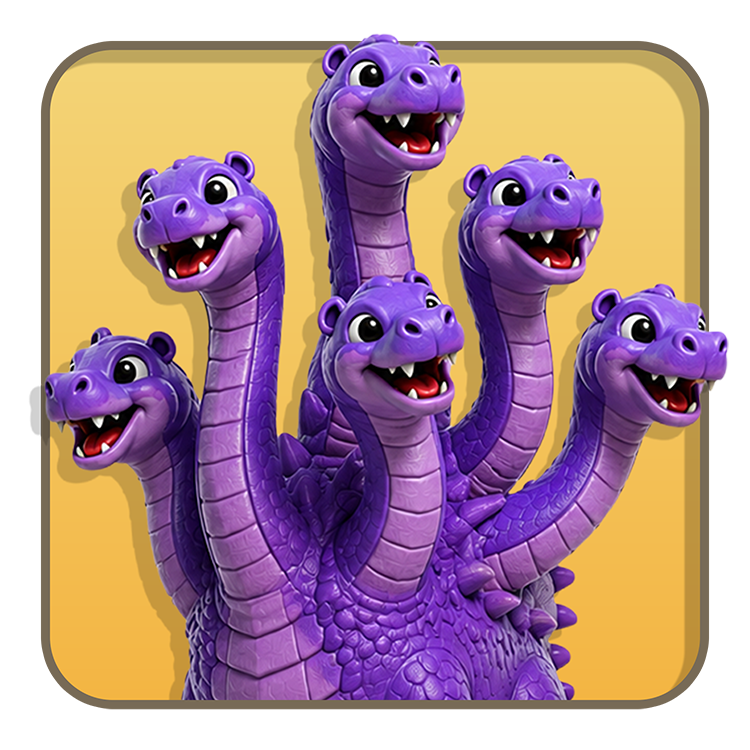
Meet the Hydra, the enormous many-headed serpent that made one of Heracles’ Labours especially difficult! The Hydra lived in the marshes near Lerna and had poisonous breath and several snake-like heads. The really annoying part was that cutting off a head did not solve the problem. More heads could grow back in its place! Heracles eventually needed help from his nephew Iolaus, who burned each neck after a head was removed so it could not regrow. One head was immortal, so Heracles buried it beneath a huge rock. I love this monster because it teaches a very useful heroic lesson: if hitting the problem makes it bigger, stop hitting it and make a better plan!
Fun fact: The Hydra is the ultimate monster version of ‘this problem is getting worse!’
Learn more about the Hyrda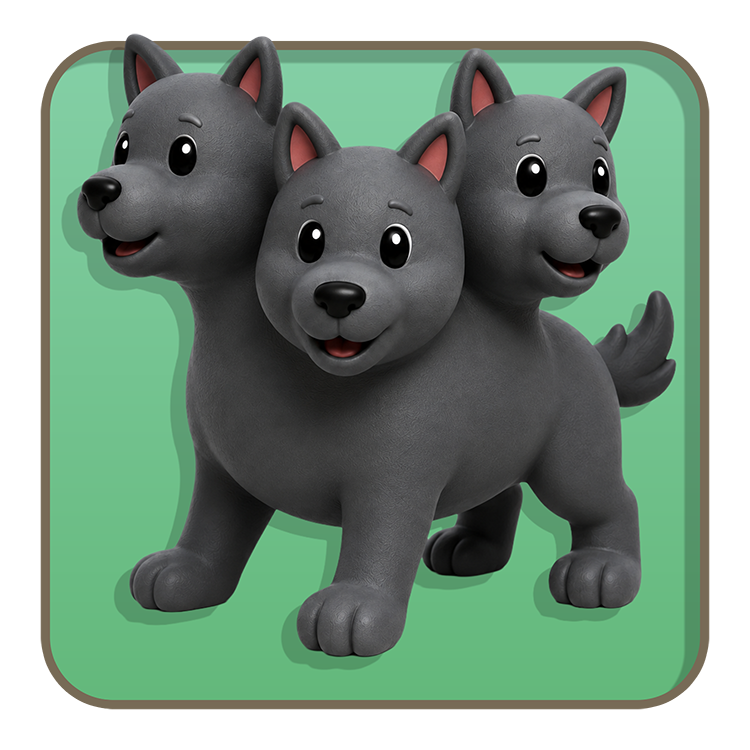
Meet Cerberus, the enormous guard dog of the Greek Underworld! Today he is usually shown with three heads, although some ancient writers gave him many more. Cerberus belonged to Hades and guarded the entrance to the world of the dead. His job was to stop the dead escaping and make sure living visitors did not wander in without permission. He was a child of the monsters Typhon and Echidna and brother of creatures including the Hydra and Orthus. Heracles had to bring Cerberus to the surface for his final Labour. I like Cerberus because he looks terrifying, but really he is just an extremely enthusiastic watchdog doing his job.
Fun fact: Hesiod gave Cerberus fifty heads. Three suddenly seems quite manageable!
Learn more about Cerberus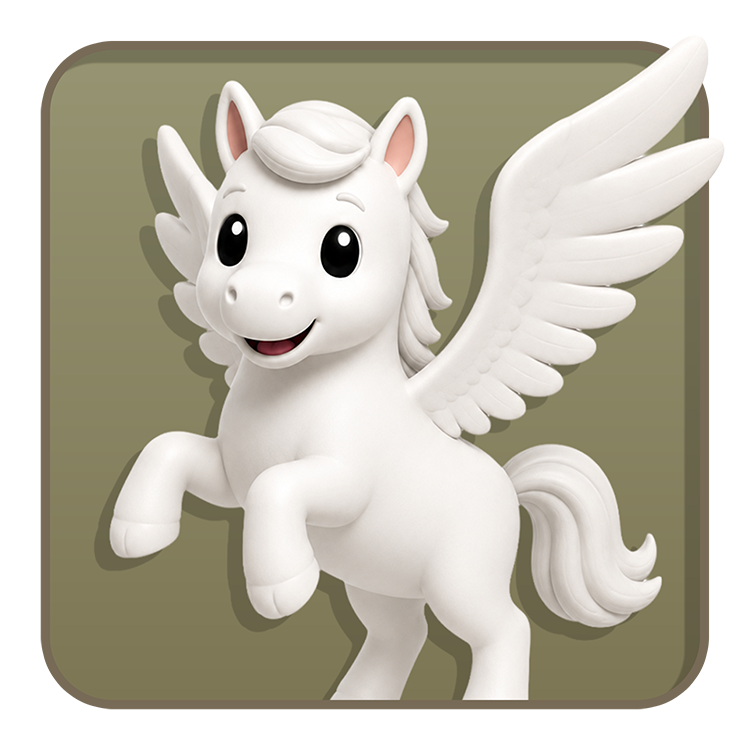
Meet Pegasus, the most famous flying horse in Greek mythology! Pegasus had huge wings and was born in an extremely unusual way when Perseus cut off Medusa’s head. His father was Poseidon, a god who was strongly connected with horses. Pegasus later became the companion of the hero Bellerophon and helped him defeat the fire-breathing Chimera by attacking from the sky. After Bellerophon became too proud and tried to fly all the way to Mount Olympus, he fell back to Earth while Pegasus continued upwards and joined the gods. I have always loved Pegasus because he looks magical and peaceful, but his story also warns that even an amazing gift does not make its rider a god.
Fun fact: Pegasus later carried Zeus’s thunder and lightning. That is quite a promotion for a horse!
Learn more about Pegasus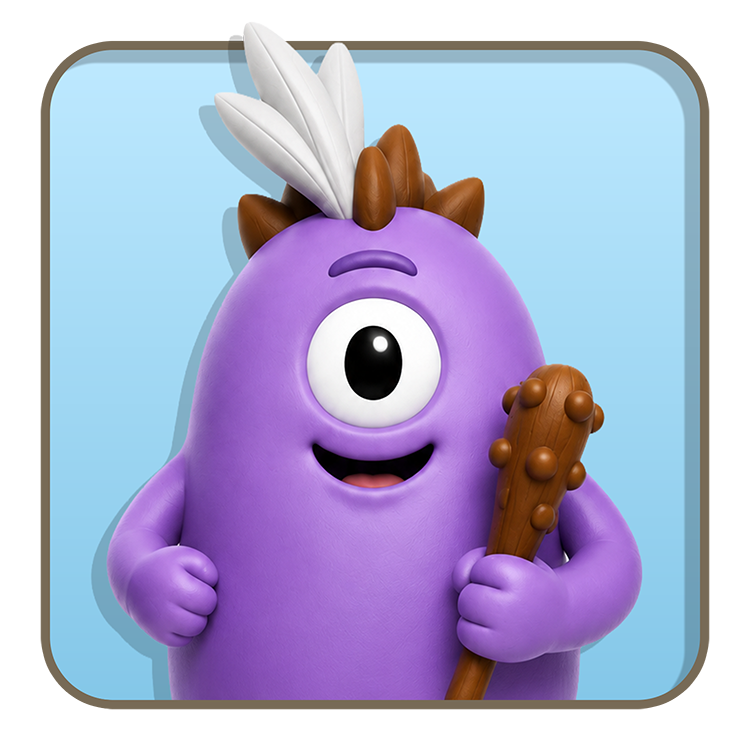
Fun fact: Some Cyclopes made Zeus’s thunderbolts. Others mostly threw enormous rocks at boats!
Learn more about Cyclopes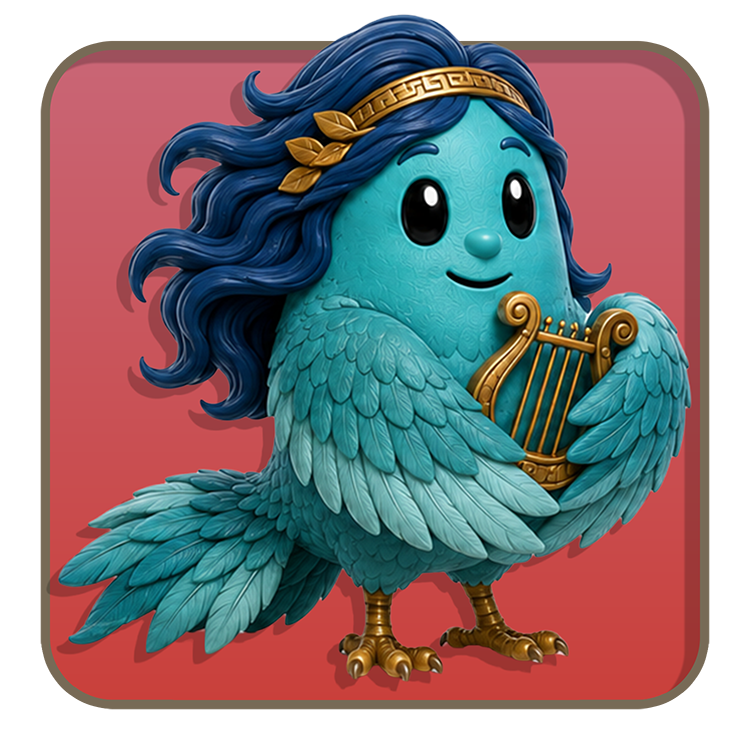
Fun fact: Ancient Sirens were bird-women, not mermaids. The fish tails arrived much later!
Learn more about Sirens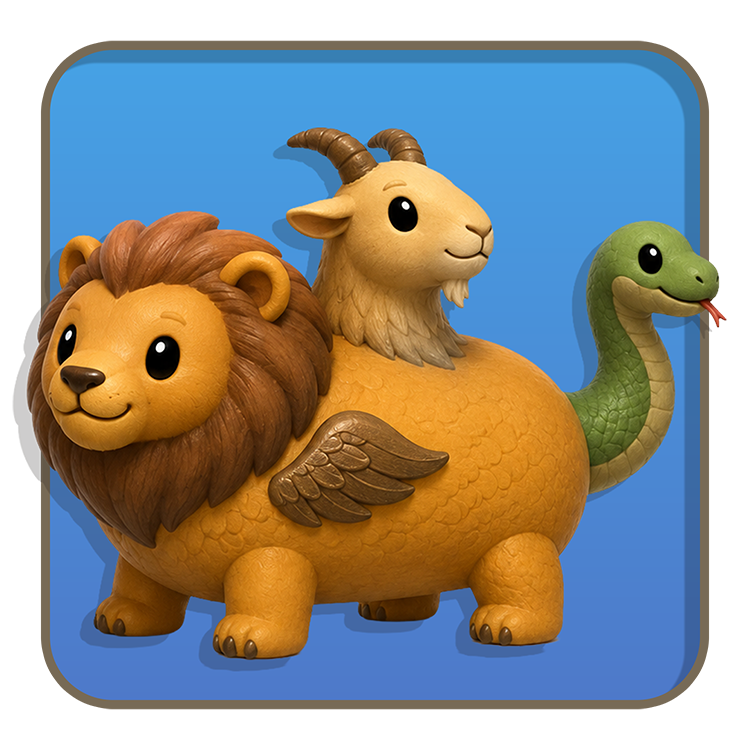
Fun fact: The word ‘chimera’ still means an impossible mixture or unrealistic dream today!
Learn more about Chimera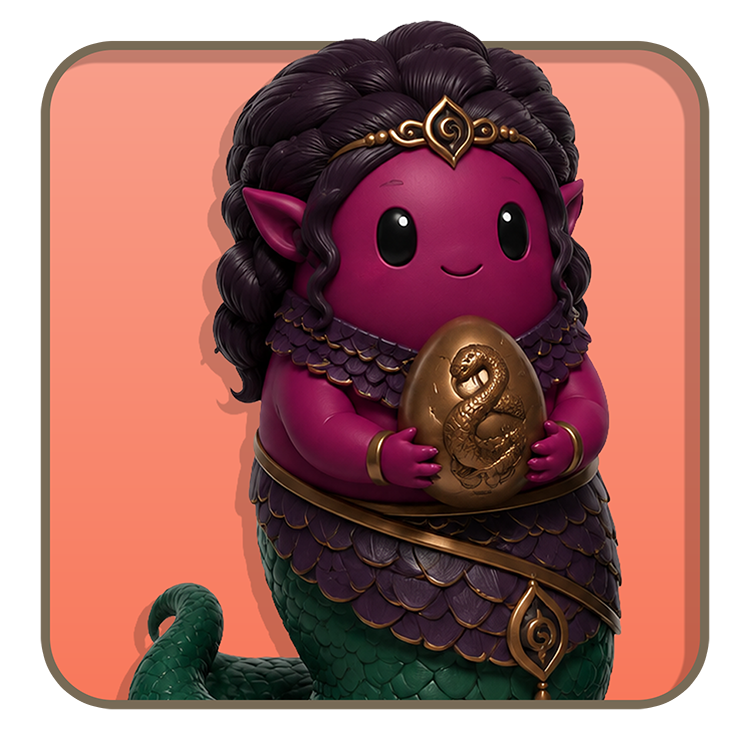
Fun fact: Echidna was basically the grandmother of a huge chunk of Greek mythology’s monster collection!
Learn more about Echidna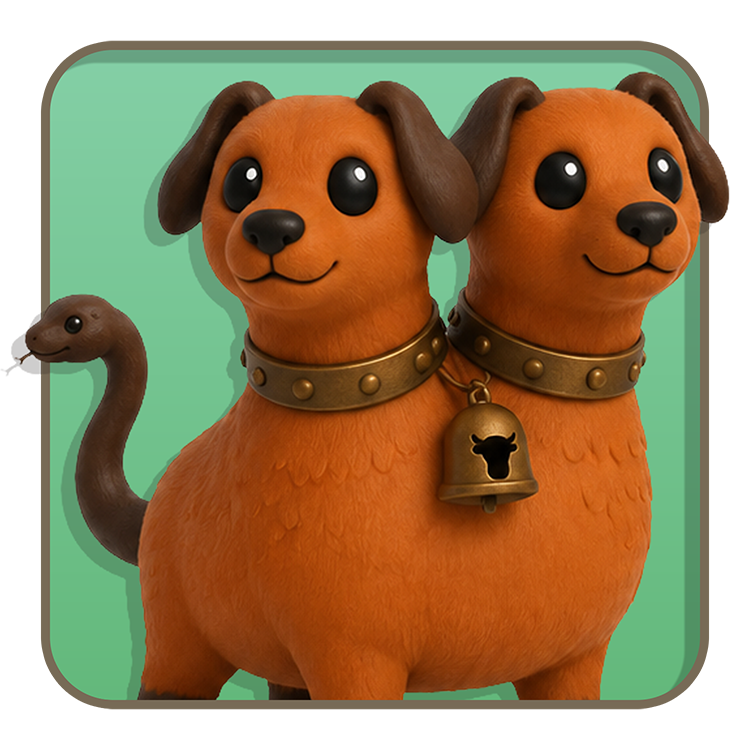
Fun fact: Orthus was Cerberus’s two-headed brother. Apparently three heads was the deluxe model!
Learn more about Orthus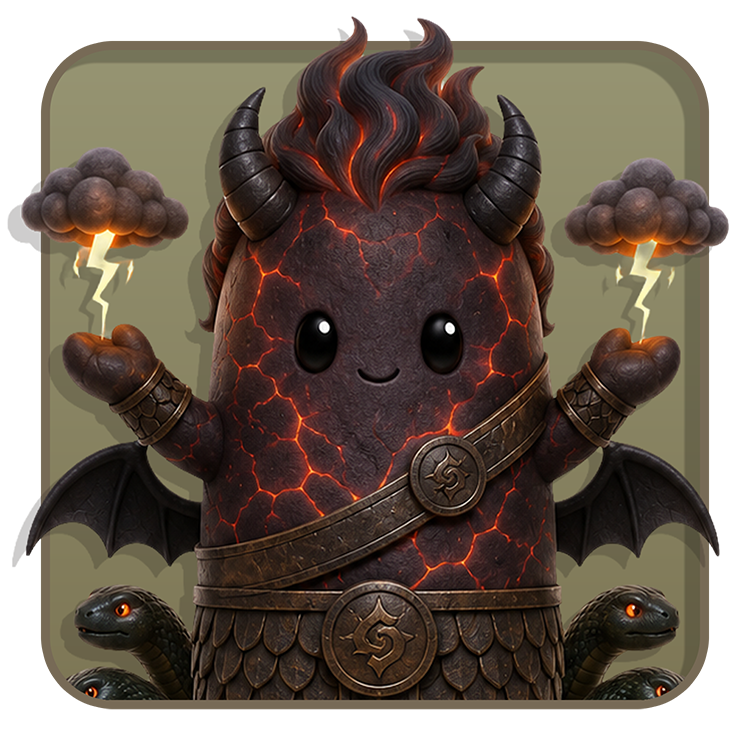
Fun fact: Typhon could make voices like gods, lions, bulls, puppies and hissing snakes!
Learn more about Typhon

Hi! I’m Jocelyn, and I created Mythfits Society to make discovering ancient myths easier, more interesting and much more fun.
Read My Story