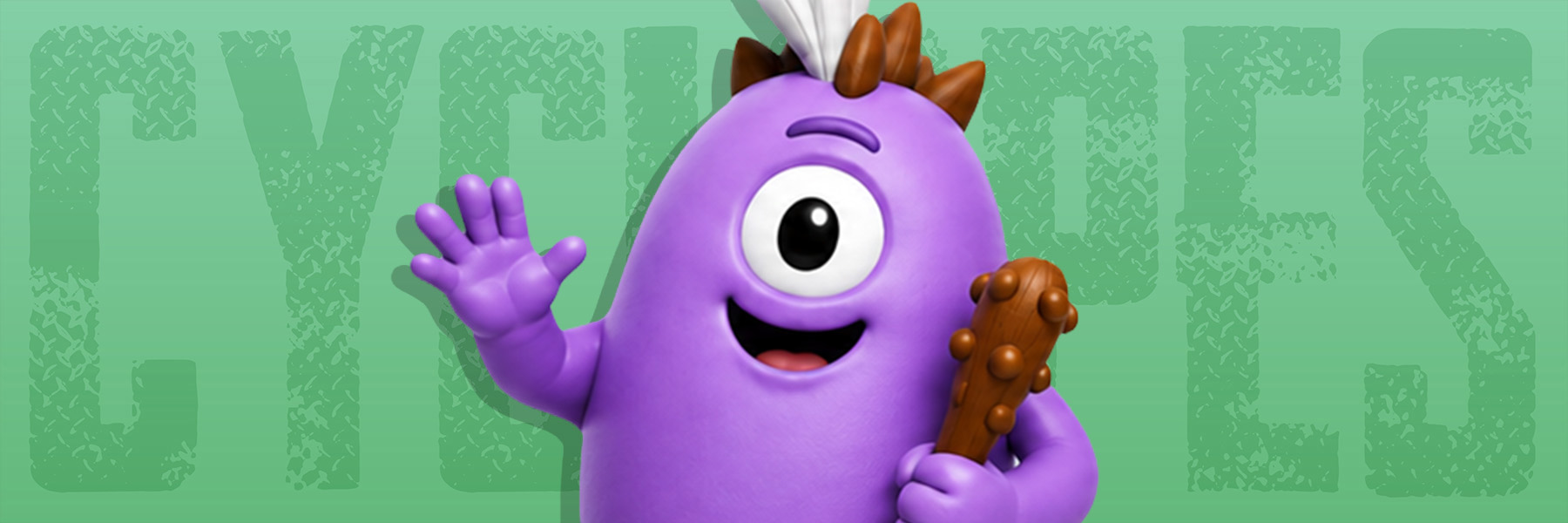

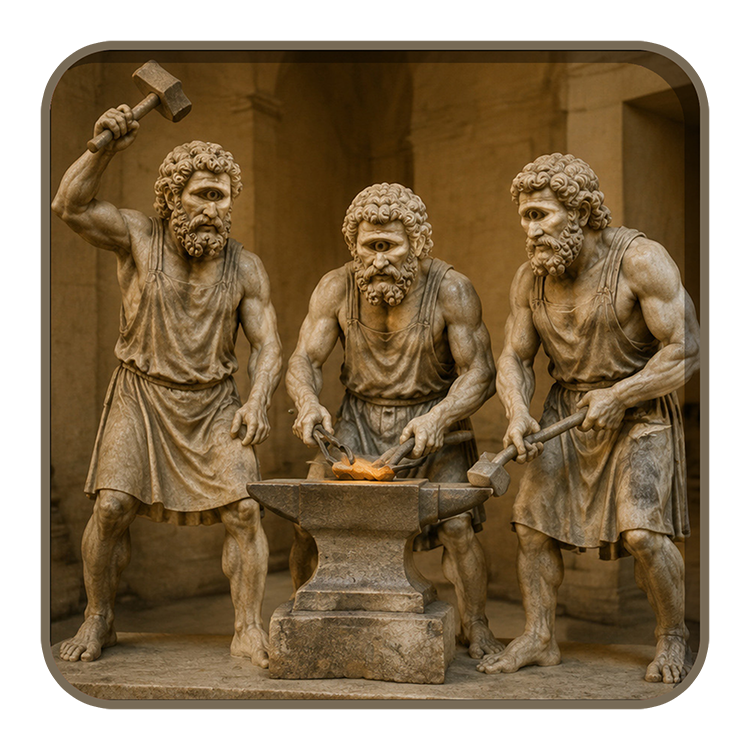
Greek mythology actually contains different groups of Cyclopes. In Hesiod’s creation story, Brontes, Steropes and Arges are three enormous one-eyed sons of Gaia and Uranus. Their names are connected with thunder, lightning and brightness. Uranus imprisons them, and eventually Zeus frees them during the great war against the Titans. The Cyclopes reward him by creating some of the most famous magical objects in mythology. Zeus receives his thunderbolt, Poseidon gets his trident and Hades receives his helmet of invisibility. Those gifts help the younger gods win the war, so these Cyclopes are not simply monsters. They are incredibly important divine craftsmen.
Homer’s Odyssey introduces a very different kind of Cyclops. Odysseus and his crew reach an island inhabited by giant shepherds who live separately instead of forming organised towns. The most famous is Polyphemus, a son of Poseidon. Odysseus enters his cave hoping for food and hospitality, but Polyphemus traps the Greeks inside and eats several of them. Odysseus eventually gets the Cyclops drunk, tells him his name is ‘Nobody’ and blinds his single eye with a heated wooden stake. The survivors escape by clinging underneath Polyphemus’s sheep. Unfortunately, Odysseus then shouts his real name from the ship, allowing Polyphemus to ask Poseidon for revenge.
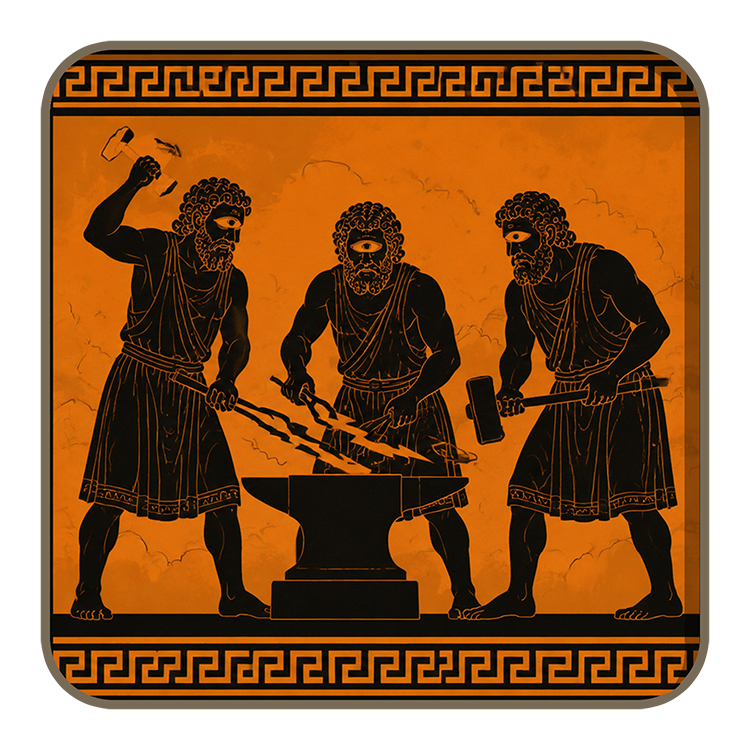
Later storytellers often mixed the different Cyclopes together. Giant builders were said to have constructed the enormous stone walls at places such as Mycenae because normal humans seemed too small to move the blocks. Other Cyclopes became assistants in the fiery forge of Hephaestus. Ancient writers never neatly explained how all these groups fitted together, and I do not think we need to force them into one family. That is part of the fun of mythology. Depending on the story, a Cyclops might be a heavenly metalworker, a legendary builder or an enormous shepherd with terrible table manners. The important question is not simply ‘Is it a Cyclops?’ but ‘Which Cyclops have we just met?’


Hi! I’m Jocelyn, and I created Mythfits Society to make discovering ancient myths easier, more interesting and much more fun.
Read My Story