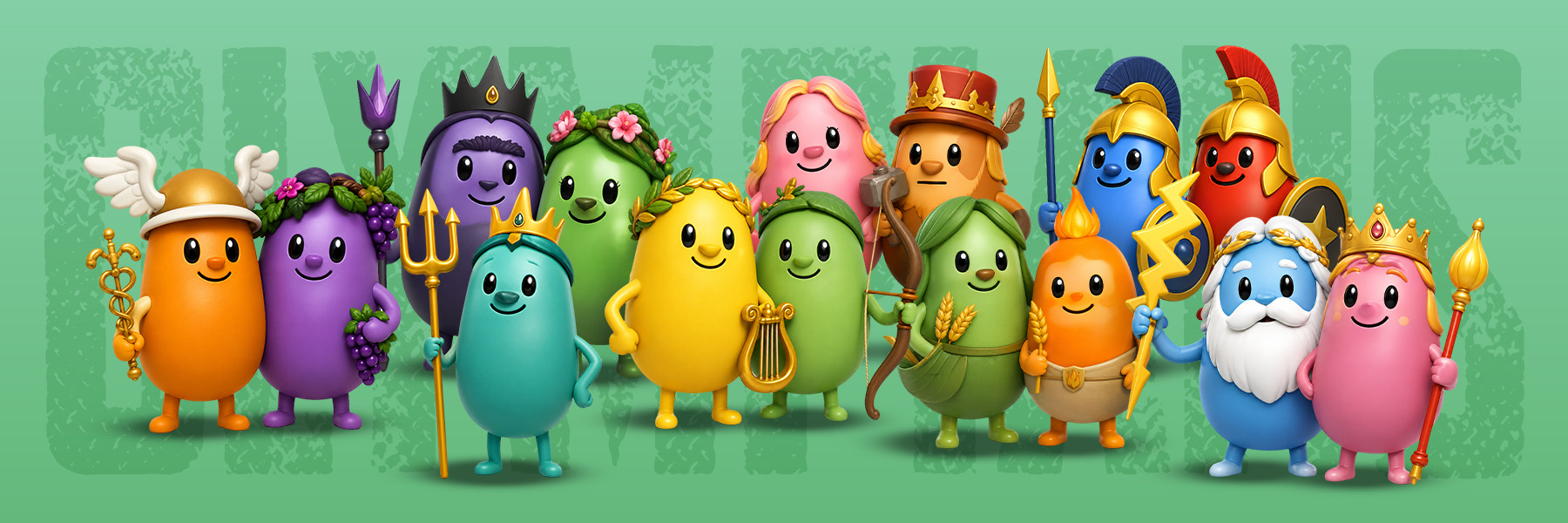
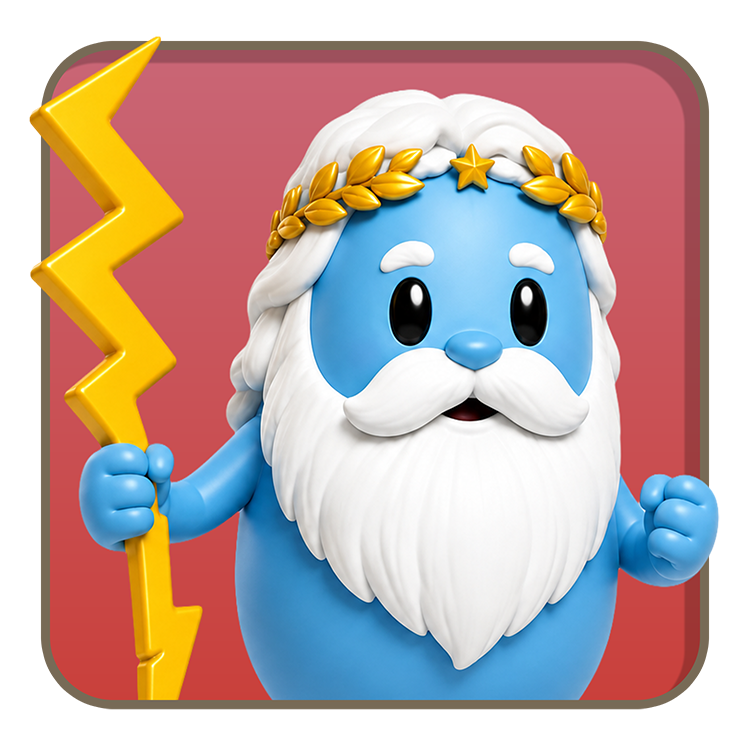
Zeus is king of the Greek gods and ruler of the sky. He carries the thunderbolt, controls storms and leads the Olympians from Mount Olympus. As a baby, he is hidden from his father Cronus, who has swallowed Zeus's older brothers and sisters. Zeus grows up, rescues them and leads the war against the Titans. He can be wise and protective, but he also makes selfish choices and causes plenty of trouble. I find Zeus interesting because he is extremely powerful without being perfect. His stories show that being in charge does not automatically make every decision fair, sensible or kind.
Fun fact: Zeus received his thunderbolts from the Cyclopes after he freed them from imprisonment.
Learn more about Zeus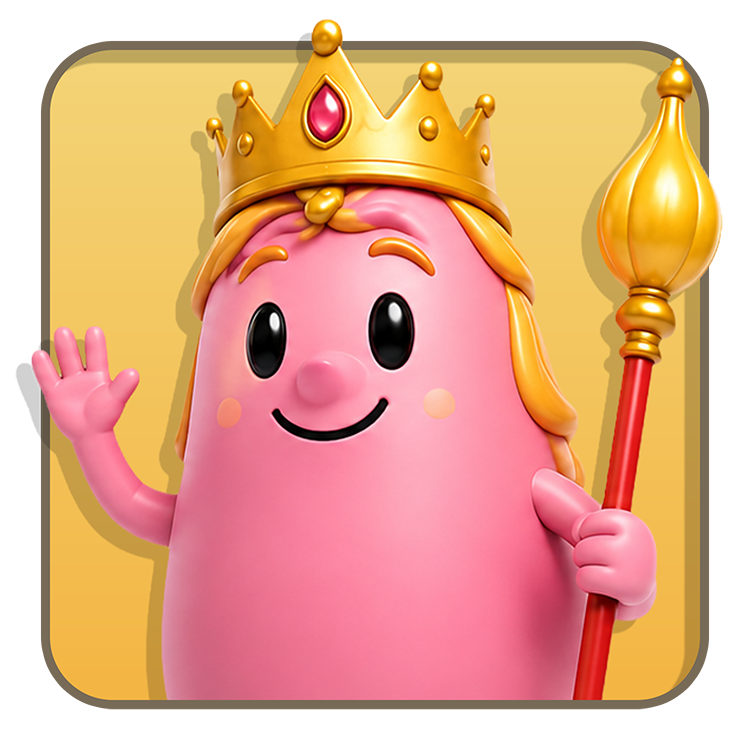
Meet Hera, queen of the Olympian gods and goddess of marriage, women and royal power! Hera was the daughter of Cronus and Rhea and both the sister and wife of Zeus. She wore a crown, carried a sceptre and was often linked with the peacock. Hera is famous for becoming furious about Zeus’s many relationships, and unfortunately she often took her anger out on other people, including Heracles. But she was much more than the jealous wife seen in lots of stories. Hera was a powerful goddess worshipped across Greece and an important protector of marriage and cities. Nobody on Olympus would have mistaken her for someone unimportant!
Fun fact: Heracles actually means ‘glory of Hera’, despite Hera making his life absolutely miserable!
Learn more about Hera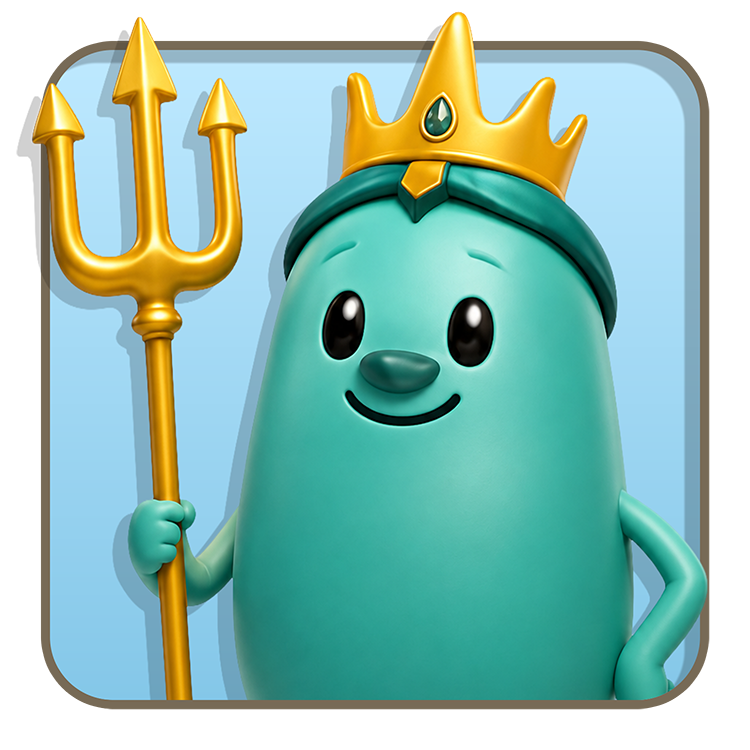
Poseidon is the Greek god of the sea, earthquakes and horses. He carries a three-pronged trident and can stir the water into a storm or calm it again. After the Olympians defeat the Titans, Poseidon receives the sea while Zeus rules the sky and Hades rules the underworld. Sailors respect him because a safe journey can depend on his mood. He is powerful, proud and very competitive, especially when cities choose other gods as their protectors. I enjoy Poseidon's stories because the sea behaves like he does: magnificent and helpful one moment, then frightening and impossible to control the next.
Fun fact: Poseidon was known as the “Earth-Shaker” because the Greeks believed he could cause earthquakes with his trident.
Learn more about Poseidon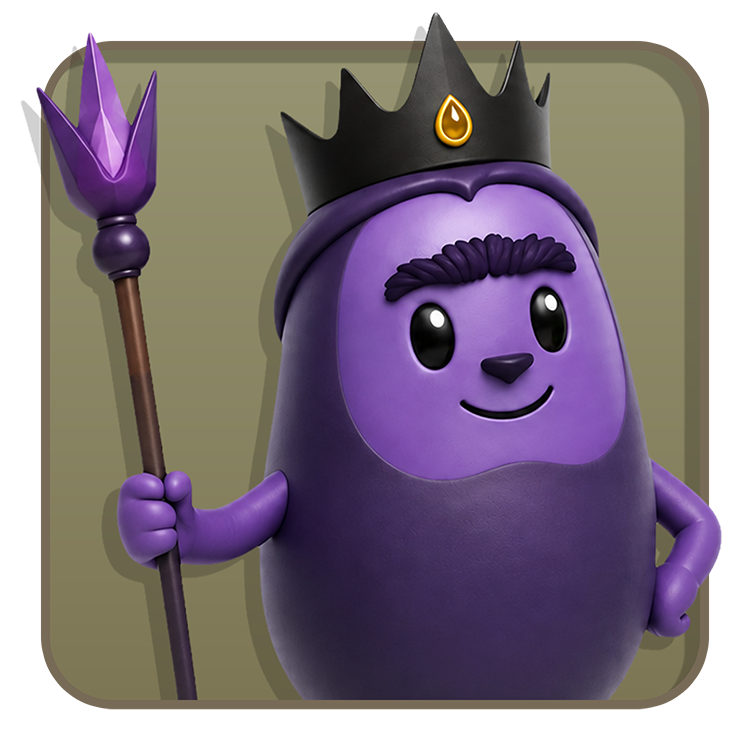
Meet Hades, the powerful Greek god who ruled the Underworld! Hades was the brother of Zeus and Poseidon and received the world of the dead when the three brothers divided the universe. He was stern, serious and rarely left his kingdom, but he was not the Greek god of evil. His job was to keep order among the dead and make sure they stayed where they belonged. Cerberus, the famous three-headed dog, guarded his gates. Hades also owned a magical helmet that could make its wearer invisible. His queen was Persephone. I think Hades is frightening, but he is definitely more complicated than a simple villain.
Fun fact: Hades owned an invisibility helmet. Very useful when you really do not fancy visitors!
Learn more about Hades
Meet Persephone, the Greek goddess who became queen of the Underworld! Persephone was the daughter of Zeus and Demeter, goddess of farming and grain. Her most famous story begins when Hades takes her into his underground kingdom while she is gathering flowers. Demeter searches desperately and stops crops from growing until the gods agree that Persephone can return. However, Persephone has eaten pomegranate seeds below, so she must spend part of each year in the Underworld. She is often linked with spring and new growth, but she is also a powerful queen beside Hades. Flowers and pomegranates are perfect symbols for both sides of her story.
Fun fact: Persephone’s most famous snack was a few pomegranate seeds with enormous consequences!
Learn more about Persephone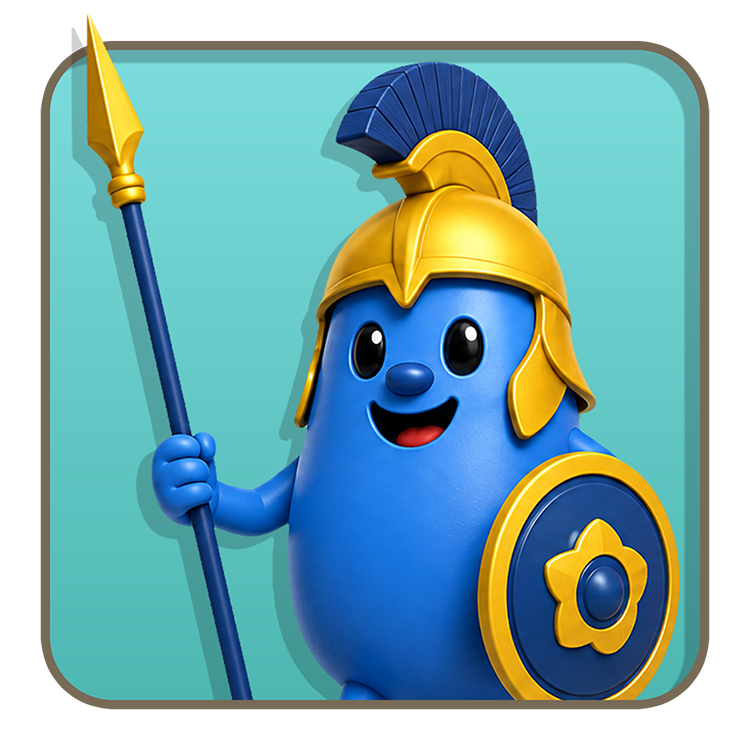
Meet Athena, the Greek goddess of wisdom, strategy and skilled crafts! Athena was one of the cleverest gods on Mount Olympus and usually preferred a brilliant plan to a wild fight. Her birth was extremely unusual because she sprang fully grown and wearing armour from Zeus’s head! Athena protected heroes including Odysseus, Perseus and Heracles, and the city of Athens was named after her. Her symbols included the owl, olive tree, spear, helmet and the powerful aegis. She could be proud and severe, but she admired courage and clever thinking. If I had to choose one Olympian to help with a dangerous quest, I would pick Athena every time!
Fun fact: Athena was born from Zeus’s head already wearing armour. No baby clothes needed!
Learn more about Athena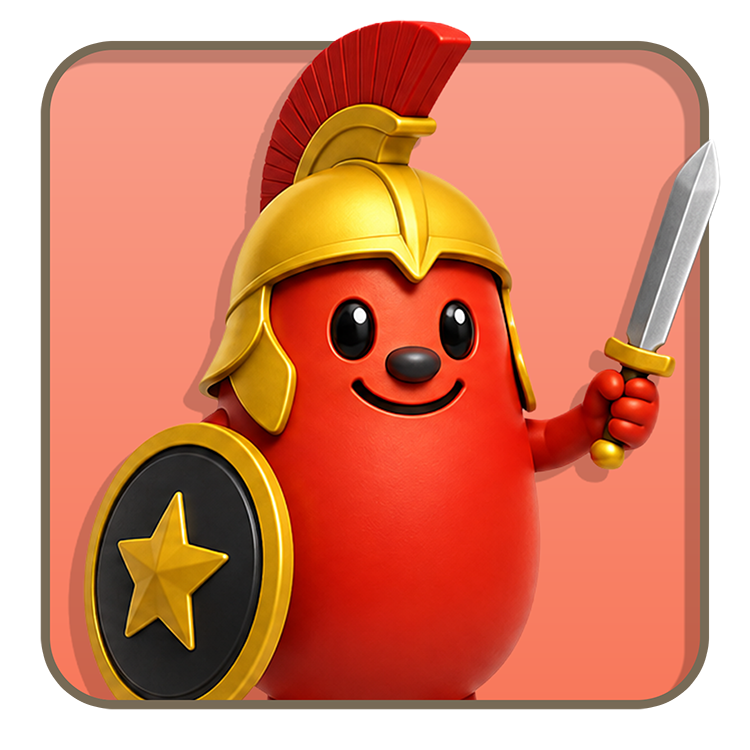
Meet Ares, the Greek god of the wild, noisy and dangerous side of war! Ares was usually the son of Zeus and Hera and charged into battle with a spear, shield and helmet. Unlike Athena, who preferred careful plans and clever strategies, Ares loved the excitement and fury of the fight itself. He was strong and fearless, but he could also be reckless and surprisingly easy to embarrass. Ares fought during the Trojan War and had a famous relationship with Aphrodite. His children included Phobos and Deimos, whose names mean Fear and Terror. I think that tells you quite a lot about family days out!
Fun fact: Ares was once trapped inside a bronze jar for thirteen months!
Learn more about Ares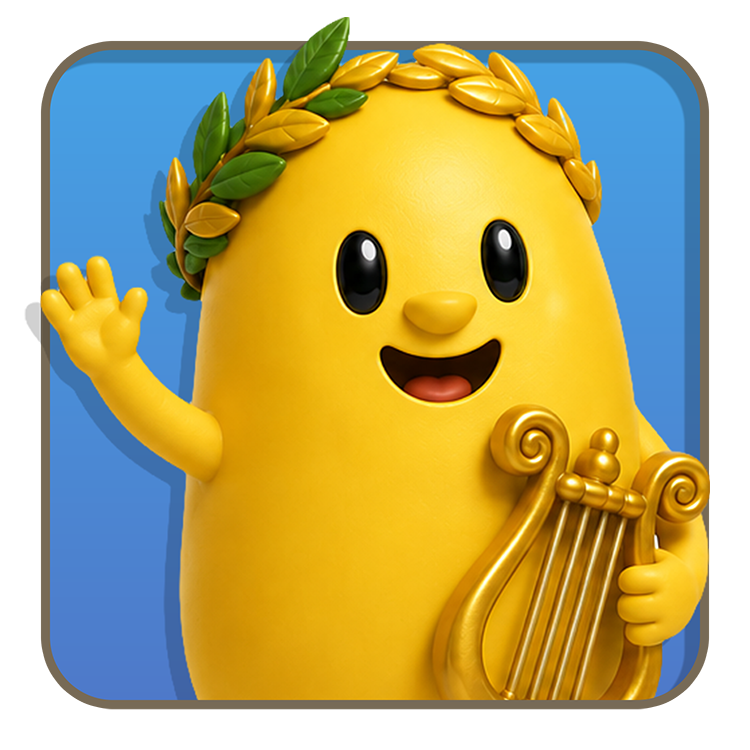
Meet Apollo, one of the busiest gods on Mount Olympus! Apollo was the son of Zeus and Leto and the twin brother of Artemis. He was god of music, prophecy, archery and healing, but he could also send disease with his arrows when he was angry. His famous oracle at Delphi gave advice to people from across the Greek world, although the answers could be extremely puzzling. Apollo usually carried a bow or a lyre, and the laurel tree was sacred to him. He later became closely linked with the Sun, but the earlier Greek Sun god was Helios. Apollo definitely had enough jobs already!
Fun fact: Apollo once gave King Midas donkey ears for preferring someone else’s music!
Learn more about Apollo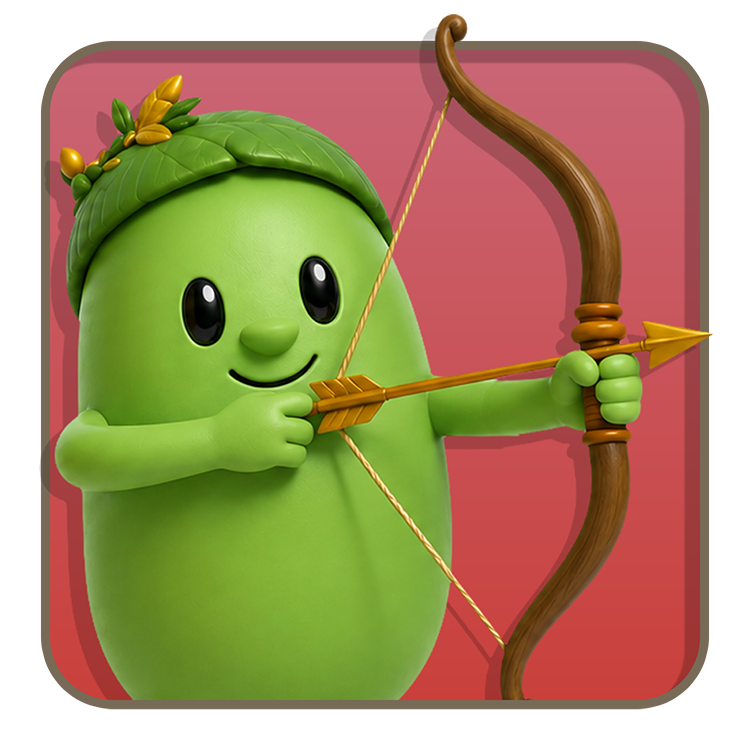
Meet Artemis, the fearless Greek goddess of hunting, wild animals and the wilderness! She was the daughter of Zeus and Leto and the twin sister of Apollo. Artemis travelled through forests with her bow, hunting dogs and a group of nymph companions. She chose never to marry and fiercely protected her freedom and privacy. Deer, bears and the cypress tree were linked with her, and she later became closely connected with the Moon. Artemis also protected young girls and women during childbirth. She could be kind and protective, but anyone who ignored her rules could discover very quickly that annoying a goddess with perfect aim was a terrible idea!
Fun fact: Girls worshipping Artemis at Brauron were known as little bears!
Learn more about Artemis
Meet Aphrodite, the Greek goddess of love, beauty and desire! She could make gods and humans fall in love, so she was far more powerful than her beautiful appearance might suggest. One famous story says Aphrodite rose from sea foam and came ashore near Cyprus, although another ancient version calls her a daughter of Zeus and Dione. She was married to Hephaestus but famously loved Ares, and she helped start the Trojan War by promising Paris the love of Helen. Doves, roses, seashells and myrtle were all linked with her. With Aphrodite around, love could be wonderful, confusing and occasionally a complete disaster!
Fun fact: Aphrodite helped start a ten-year war by winning a beauty contest!
Learn more about Aphrodite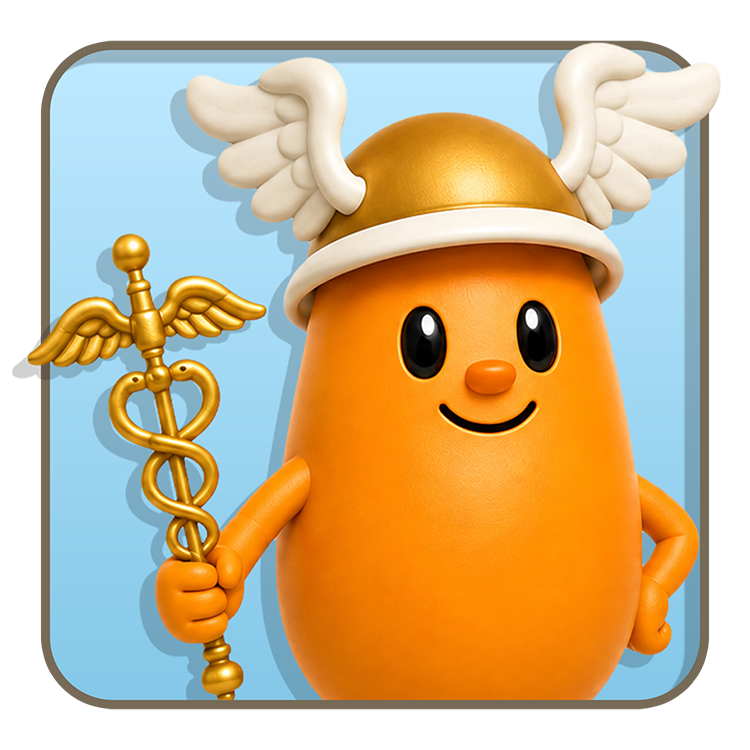
Meet Hermes, the speedy messenger of the Greek gods and possibly the cheekiest baby ever born! Hermes was the son of Zeus and Maia. On the very day he was born, he escaped from his cradle, stole Apollo’s cattle and invented the lyre. Not bad for day one! Hermes protected travellers, traders and shepherds, delivered messages for Zeus and guided souls towards the Underworld. He was clever, funny and brilliant at talking his way out of trouble. His symbols included a traveller’s hat, winged sandals and a staff called the caduceus. If a quest went wrong, Hermes is exactly the god I would want arriving with a plan!
Fun fact: Hermes stole fifty cattle on the day he was born. Babies have really got lazy!
Learn more about Hermes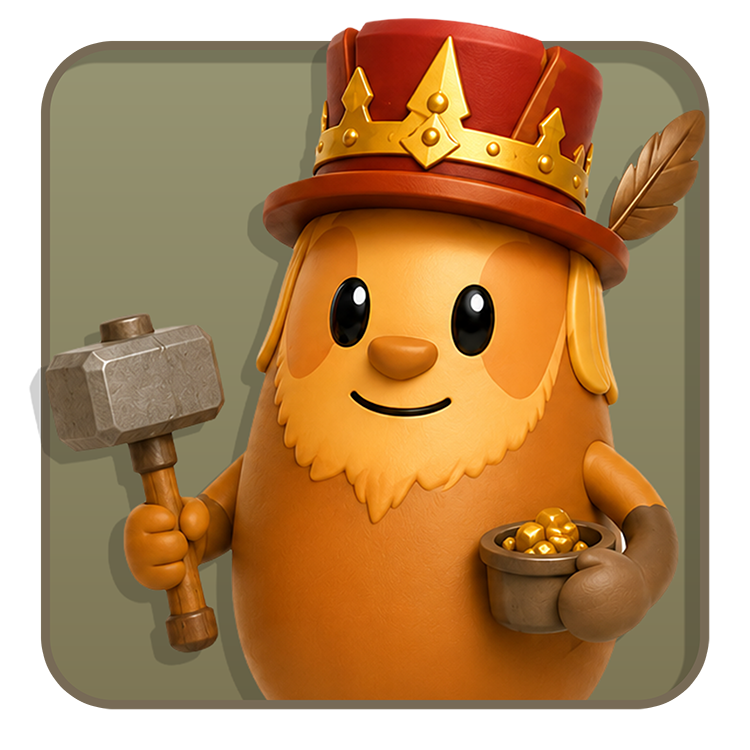
Meet Hephaestus, the Greek god of fire, metalworking and the forge! Hephaestus was the greatest maker on Mount Olympus and could create incredible armour, jewellery, palaces and even golden servants that moved by themselves. He was disabled and usually walked with difficulty, but his skill made him absolutely essential to the other gods. He made famous objects including Achilles’ armour and the chains used on Prometheus. Hephaestus was also married to Aphrodite in one famous story, although that marriage went rather badly! I really like Hephaestus because he proves that being powerful is not just about fighting. Sometimes the cleverest person in the workshop is the one everyone needs.
Fun fact: Hephaestus made golden servants that could move and think. Ancient Greek robots!
Learn more about Hephaestus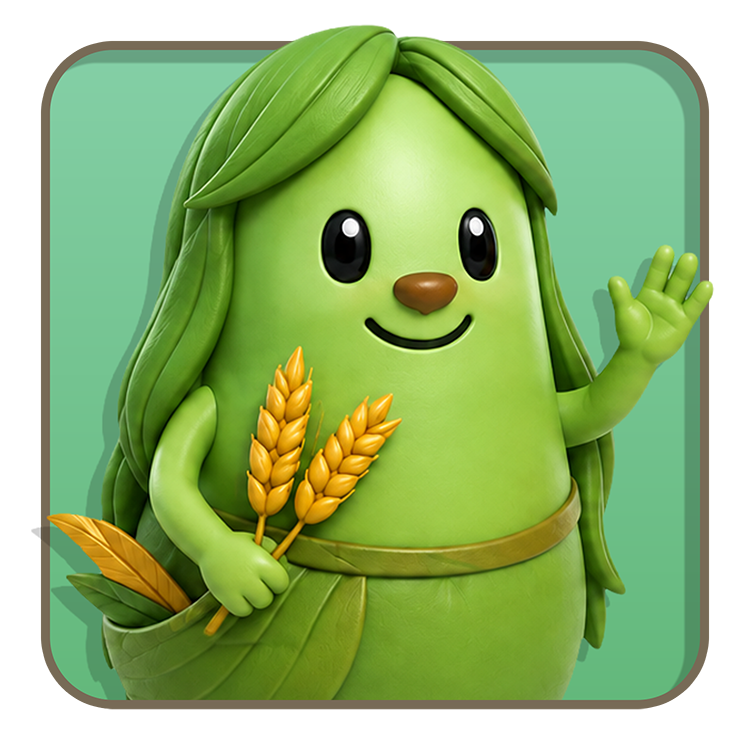
Meet Demeter, the Greek goddess of grain, farming and the food that grows from the Earth! She was a daughter of Cronus and Rhea and the mother of Persephone. Demeter’s most famous story begins when Hades takes Persephone into the Underworld. Demeter searches everywhere and becomes so heartbroken that she stops crops from growing. Humans begin to starve, and even Zeus has to take notice. Persephone is eventually allowed to return for part of each year. Wheat and torches are common symbols of Demeter. I like her because she shows just how powerful a parent can become when someone they love is missing.
Fun fact: The word ‘cereal’ comes from Ceres, the Roman version of Demeter!
Learn more about Demeter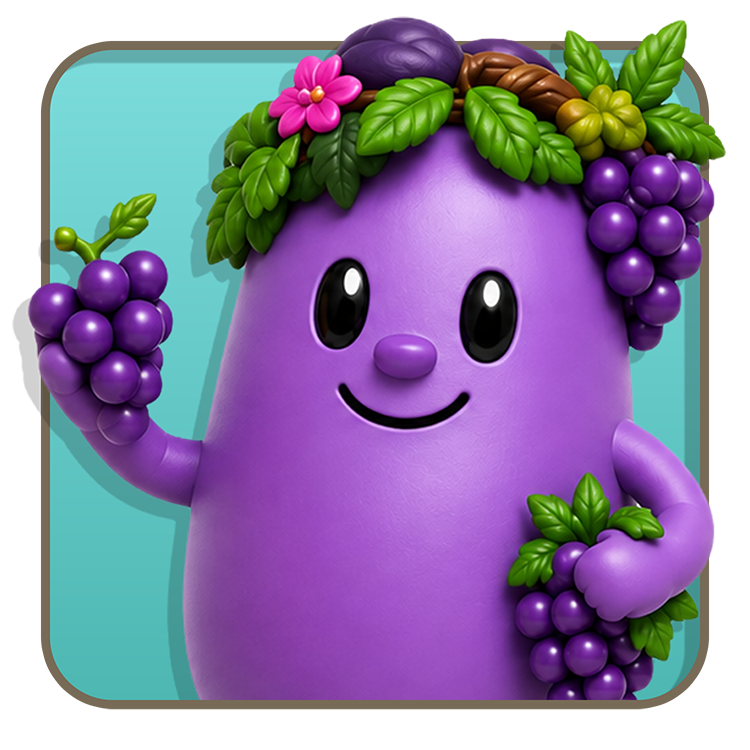
Meet Dionysus, the Greek god of wine, theatre, celebration and wild excitement! Dionysus was the son of Zeus and a mortal princess called Semele. His birth was completely bonkers. After Semele died, Zeus saved the unborn baby and sewed him into his own thigh until he was ready to be born! Dionysus travelled widely, taught people how to grow vines and gathered followers including maenads and satyrs. He could bring music, dancing and happiness, but he could also cause madness when people refused to respect him. Dionysus is one of the strangest Olympians because with him, a brilliant party could become terrifying very quickly!
Fun fact: Dionysus was born from Zeus’s thigh. Greek mythology really does have everything!
Learn more about Dionysus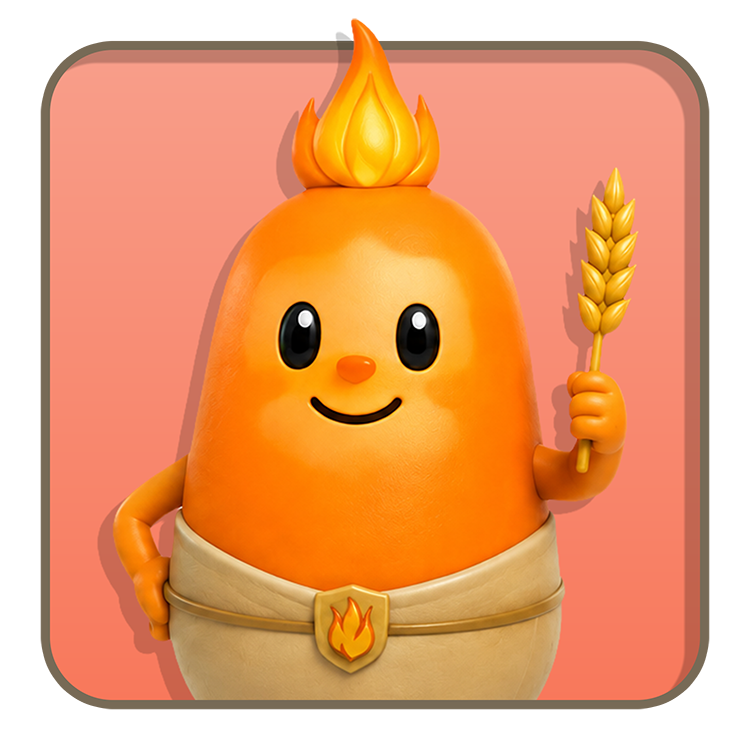
Meet Hestia, the Greek goddess of the hearth, home and family life! Hestia was the eldest child of Cronus and Rhea and one of the calmest gods in the entire family. While Zeus, Poseidon and the others were busy arguing, fighting monsters and causing disasters, Hestia looked after the fire at the centre of the home. She chose never to marry and was honoured at household and public hearths across Greece. Hestia does not have loads of dramatic adventures, but I actually like that about her. Every hero needs somewhere safe to return to, and Hestia represented warmth, food, welcome and the feeling of being home.
Fun fact: Hestia was swallowed first by Cronus and released last, making her first and last!
Learn more about Hestia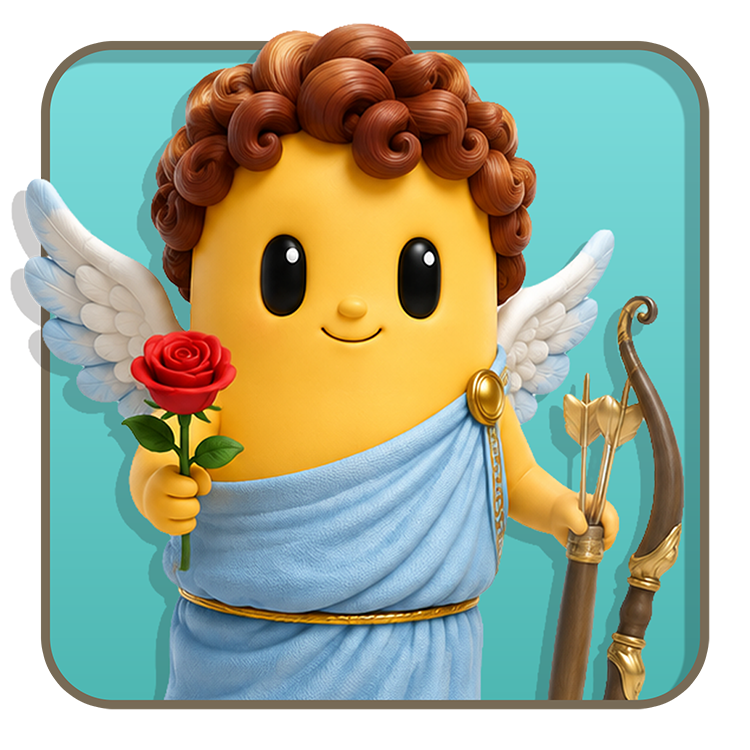
Meet Eros, the Greek god of love and desire! Eros has a slightly confusing family history because in some of the oldest Greek stories he appears near the very beginning of the universe. In later myths, he becomes the winged son of Aphrodite, often shown carrying a bow and arrows that can make gods and humans fall in love. The Romans called him Cupid, which is why he still pops up on Valentine’s cards today. Eros might look small and harmless, but his arrows can completely change someone’s life. I think that makes him one of mythology’s funniest ideas: a tiny flying archer causing more chaos than most enormous monsters!
Fun fact: Eros started as a powerful ancient force before becoming a cheeky winged boy!
Learn more about Eros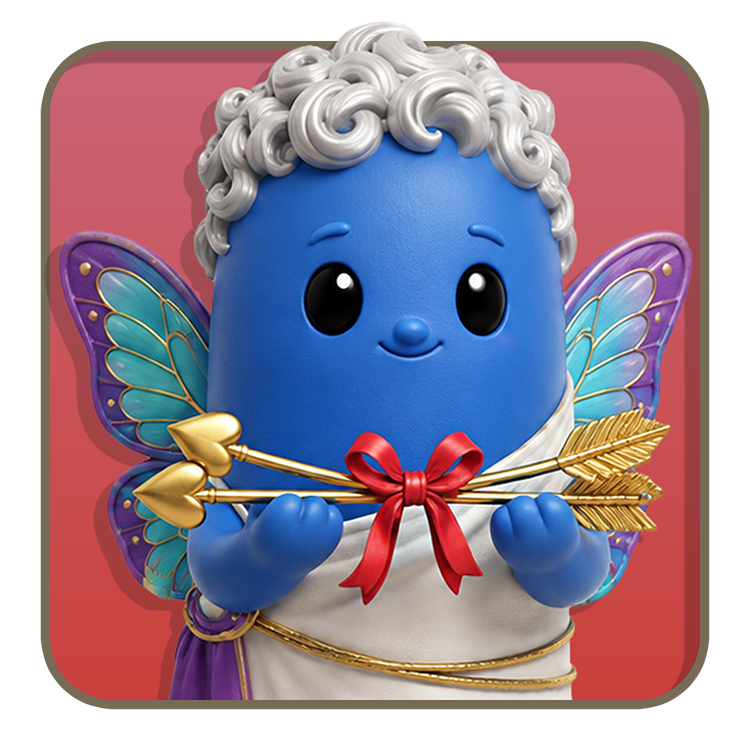
Meet Anteros, the Greek god of love that is returned! He was closely connected with Eros and was sometimes described as his brother. While Eros could make someone fall in love, Anteros represented what happened when that love was answered. He could also punish people who cruelly mocked or rejected someone who genuinely cared for them. One later story even says Eros could not grow properly until Anteros arrived, because love needs love in return. Anteros is not as famous as Eros, but I think his idea is brilliant. Love should not just be taken. It should be returned with kindness and respect.
Fun fact: Anteros is the statue people often wrongly call Eros at Piccadilly Circus!
Learn more about Anteros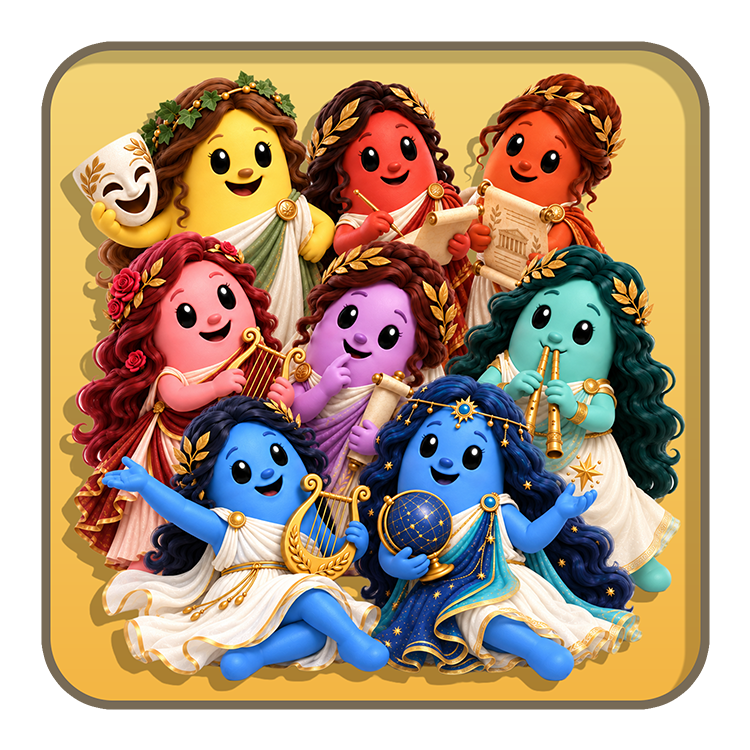
Meet the Nine Muses, the Greek goddesses who inspired music, poetry, dance, history and learning. They were the daughters of Zeus and Mnemosyne, the goddess of memory. Each Muse became connected with a different subject. Calliope inspired epic poetry, Clio history and Urania astronomy, while others watched over music, comedy, tragedy and dance. Ancient poets often asked the Muses for help before beginning their work. I think they sound like the most talented family on Mount Olympus—although choosing what to perform at a family gathering must have been impossible!
Fun fact: Our modern word “museum” comes from a Greek word meaning a place connected with the Muses.
Learn more about the Nine Muses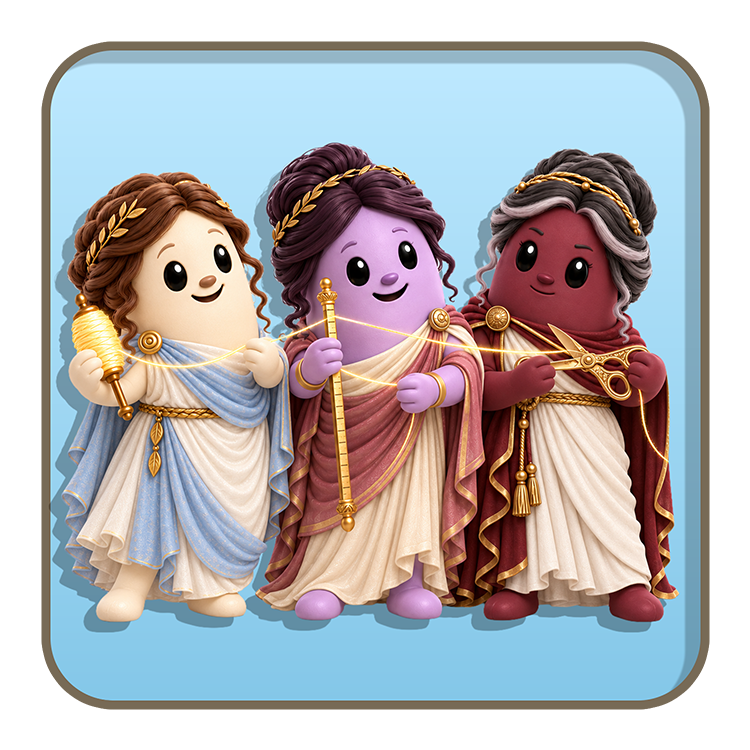
The Three Fates were mysterious goddesses who controlled the course of every human life. The Greeks called them the Moirai. Clotho spun a person’s thread of life, Lachesis measured how long it would be, and Atropos cut it when that life came to an end. Even the other gods treated the sisters and their decisions seriously. They were not evil, but they could certainly be frightening because nobody could escape the destiny they chose. I would definitely be nervous if I saw Atropos standing nearby with her enormous golden scissors!
Fun fact: Atropos means “the unturnable one” because nobody could reverse her final decision.
Learn more about the Fates


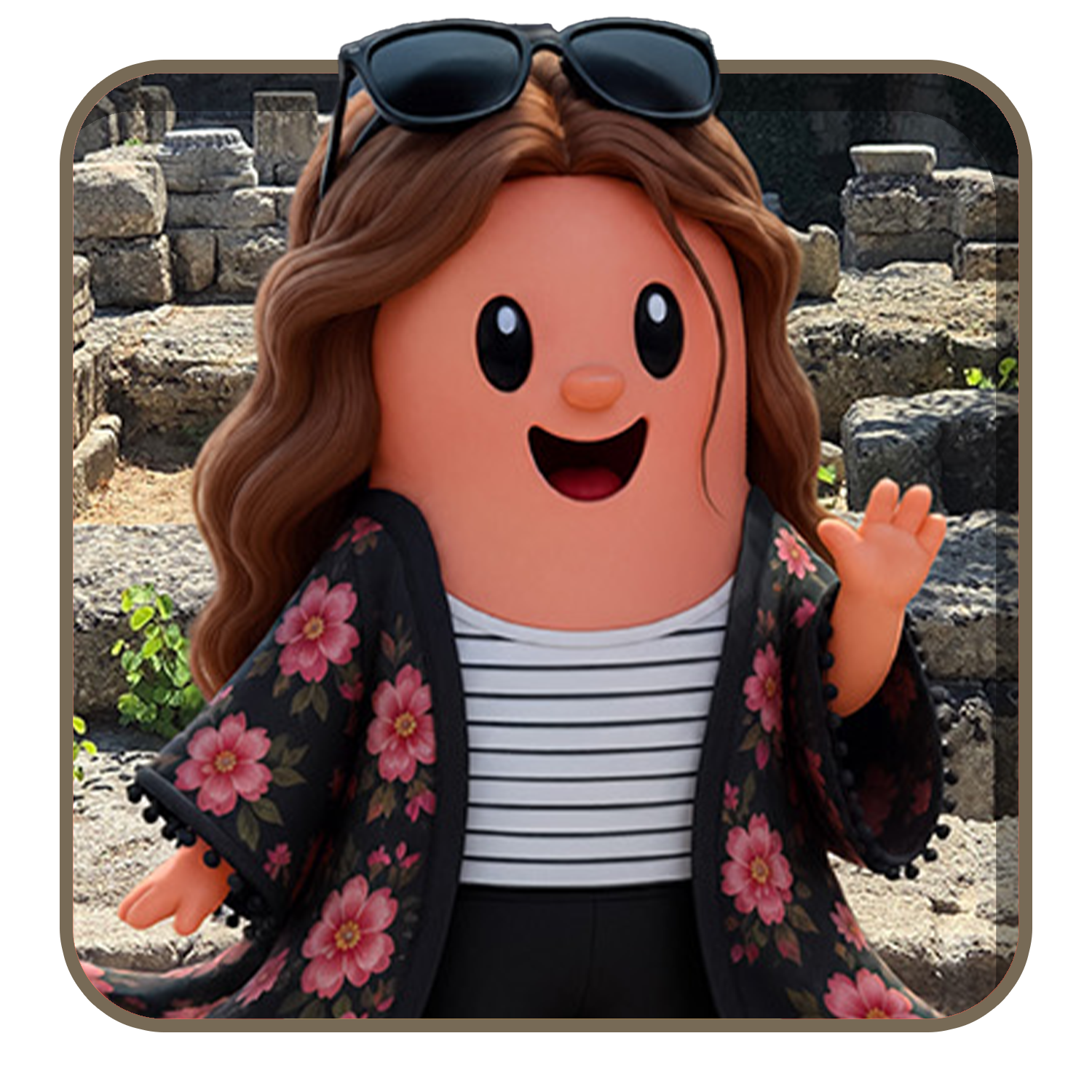
Hi! I’m Jocelyn, and I created Mythfits Society to make discovering ancient myths easier, more interesting and much more fun.
Read My Story