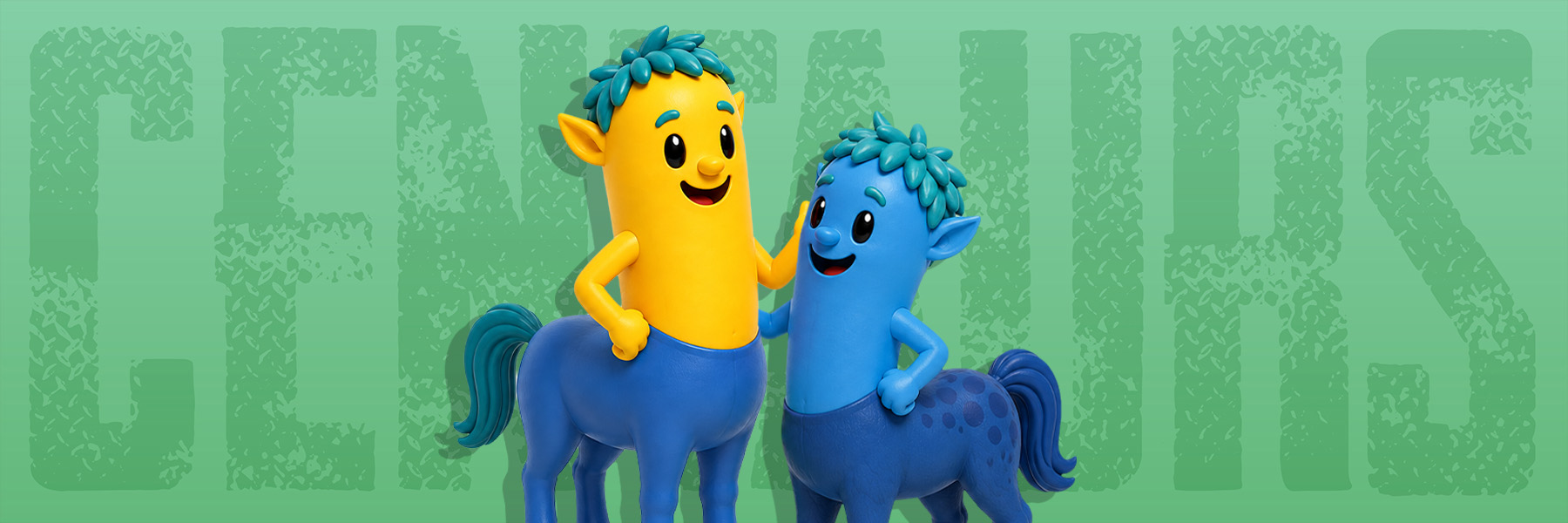
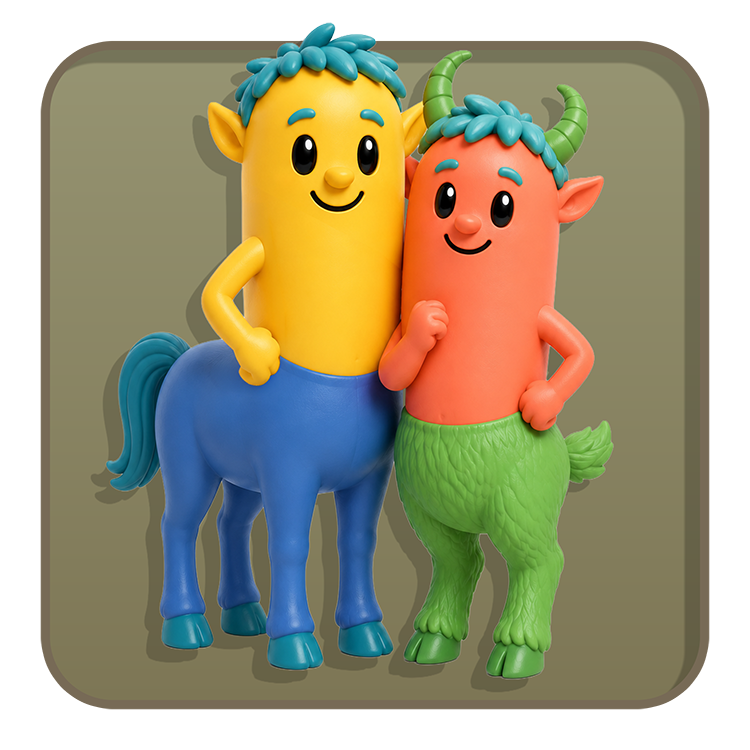
Centaurs were mythical creatures with a human head and upper body joined to the body and four legs of a horse. They began in Greek mythology but became very familiar to Roman readers and artists. Most were imagined living in the wild mountains of Thessaly in Greece. Many stories describe them as strong, noisy and difficult to control. Their strange bodies made them perfect symbols for a struggle between thought and instinct. The human half could reason, while the horse half suggested speed, appetite and wild strength.
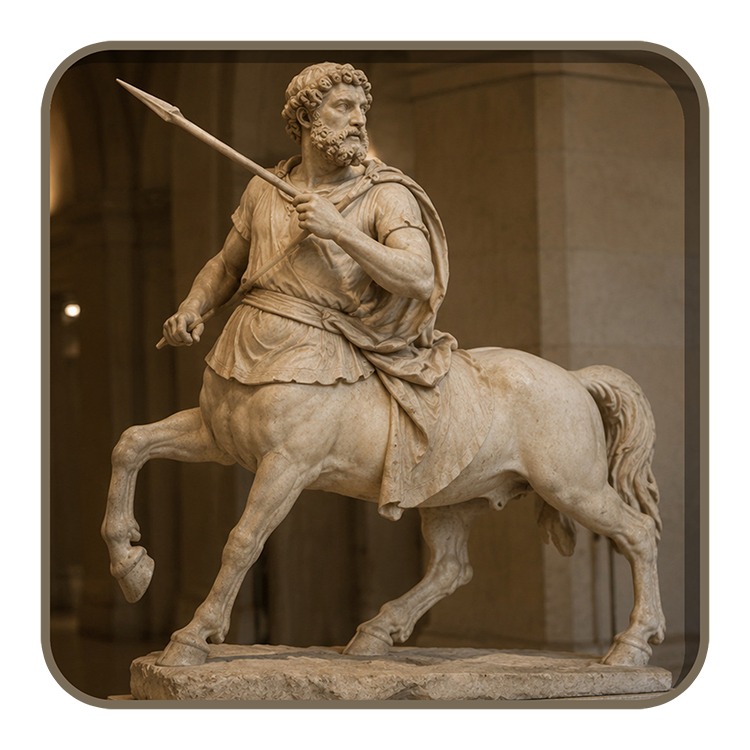
The most famous centaur disaster happened at the wedding of Pirithous and Hippodamia. Centaurs were invited to the celebration, but after drinking wine one of them tried to seize the bride. A huge fight broke out between the centaurs and the Lapiths, with the hero Theseus joining the battle. Greek and Roman artists loved showing the scene because a room full of fighting half-human, half-horse creatures gave them plenty of dramatic poses! The battle also became a story about civilisation trying to control wild behaviour.
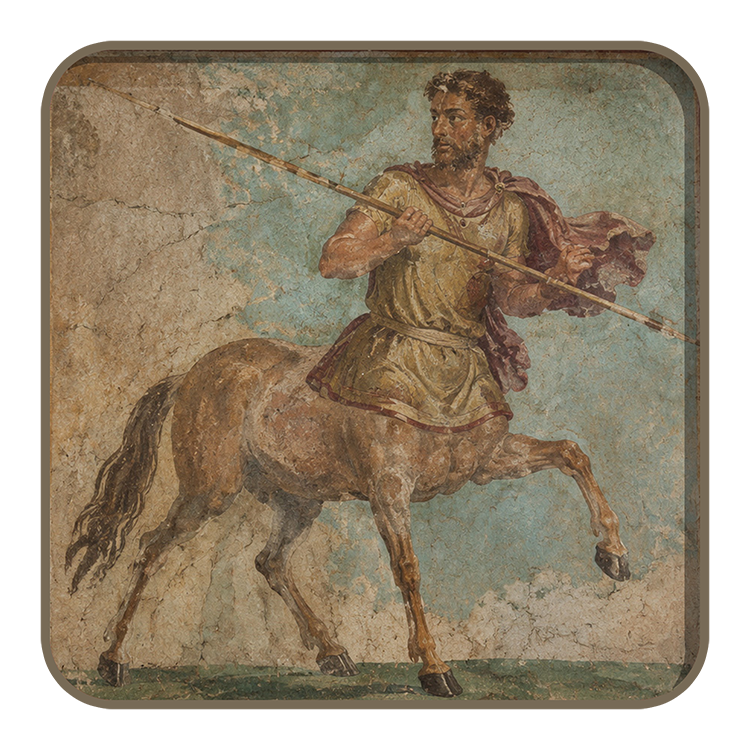
Not every centaur behaved like this. Chiron was wise, kind and famous for medicine, music and teaching. Heroes including Achilles, Jason and Asclepius were said to have learned from him. Roman poets such as Virgil and Ovid included centaurs in their works, and Roman mosaics and paintings sometimes show them playing instruments, carrying gods or joining the celebrations of Bacchus. Female centaurs, called centaurides, also appeared in later Greek and Roman art. Modern fantasy often turns centaurs into one peaceful race of noble forest creatures, but ancient mythology was much messier. Chiron could be thoughtful and gentle, while other centaurs caused complete chaos. I think that variety is what makes them interesting. Their appearance did not decide whether they were good or bad. Just like humans, different centaurs made very different choices.


Hi! I’m Jocelyn, and I created Mythfits Society to make discovering ancient myths easier, more interesting and much more fun.
Read My Story