Mythical Creatures
Welcome to Roman creatures!

Centaurs
Half Human, Half Horse
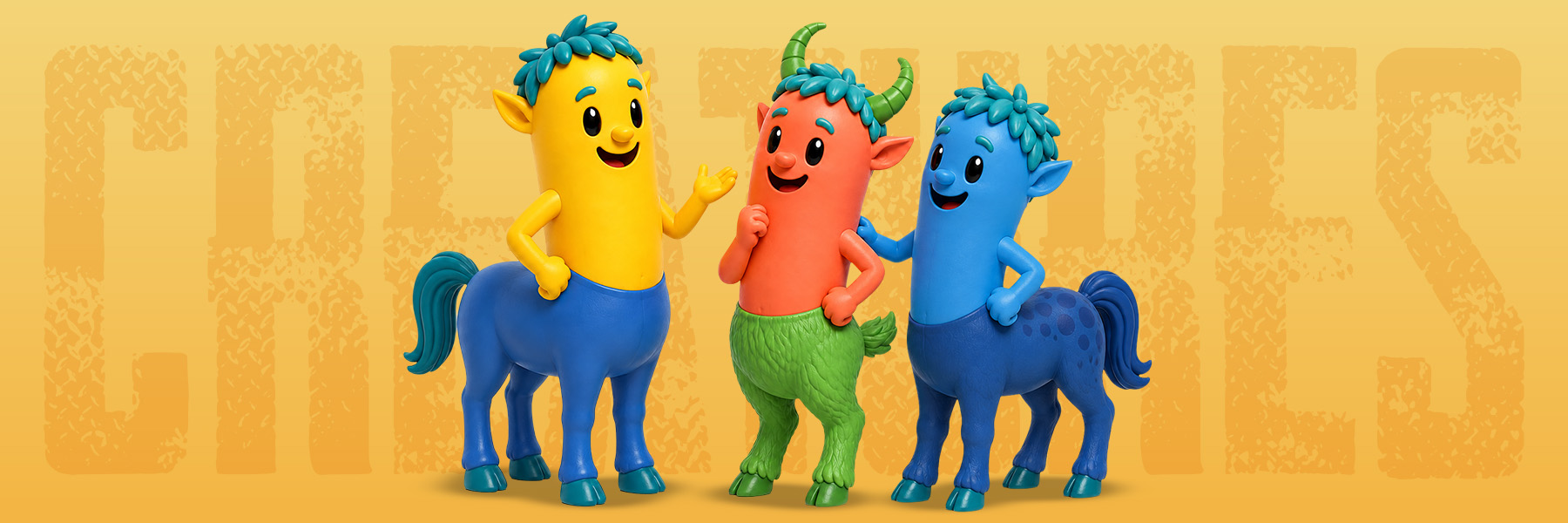
Centaurs were creatures with a human head and upper body joined to the body and four legs of a horse. They came from Greek mythology, but Roman poets and artists made them part of their own imaginative world. Most centaurs were shown as wild, noisy and difficult to control. A few, especially the wise teacher Chiron, behaved very differently. This contrast made centaurs perfect for stories about choice. Their human half could think, while their horse half suggested speed, appetite and untamed strength. I think that is why they are much more interesting than a creature that is simply good or bad.
Fauns
A Woodland Spirit
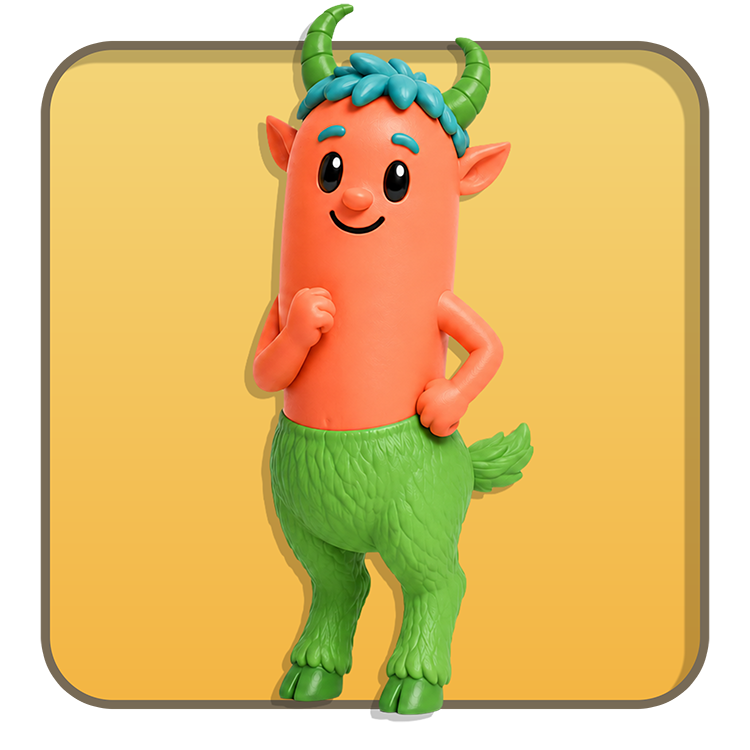
Fauns were rustic Roman spirits associated with woods, fields, flocks, music and the sudden surprises of the countryside. Artists often gave them pointed ears, small horns, shaggy legs and goats’ hooves, although their appearance changed over time. They became closely linked with the Greek satyrs who followed Bacchus. A faun might dance, play pipes, chase nymphs or startle a traveller with a strange sound in the trees. They were not grand rulers like Jupiter. They belonged to paths, caves and pastures, where nature felt lively and not completely under human control.
Griffins
The Guardian
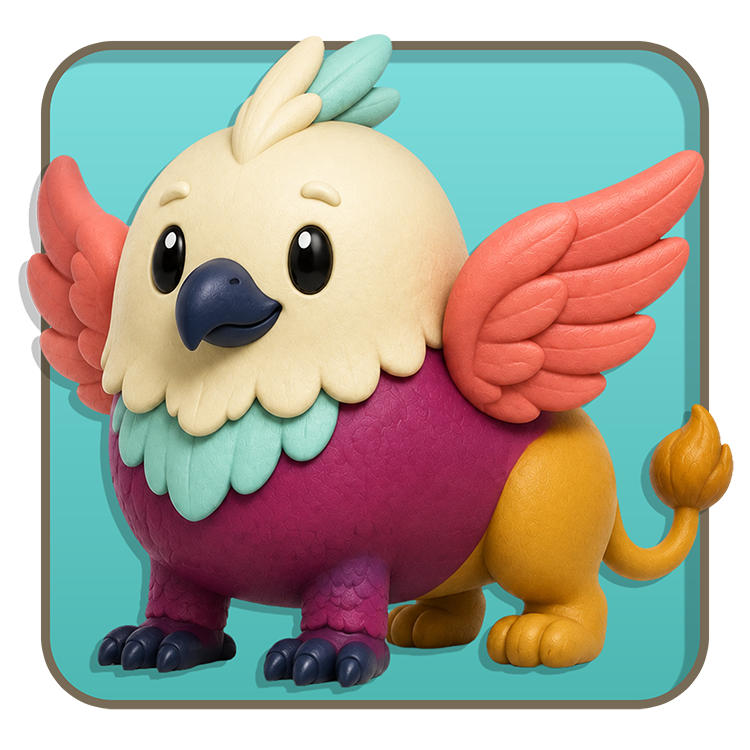
A griffin was a legendary creature with the body and back legs of a lion and the head, wings and front claws of an eagle. It combined two animals ancient people regarded as powerful rulers: the lion on land and the eagle in the sky. Griffins appeared in art long before the Roman Empire and travelled between cultures across Egypt, western Asia, Greece and the Mediterranean. Romans used them on jewellery, wall paintings, mosaics, furniture and stone coffins. They could look fierce, but they were often guardians rather than villains. A griffin’s sharp eyes and claws made it an excellent protector of treasure or sacred space.
Strix
The Mysterious Night Bird
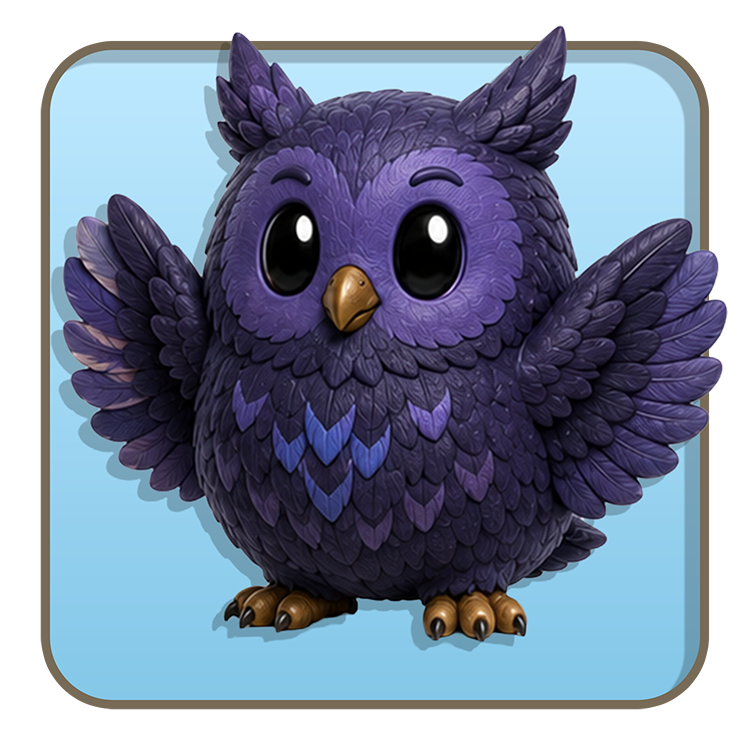
The strix was a frightening night bird in Greek and Roman folklore. Romans described it with a large head, staring eyes, hooked claws and a sharp beak. Its eerie cry was a bad sign, and some stories claimed it attacked babies. Ancient writers could not even agree on what it was. Ovid asks whether striges were born as birds, created by magic or old women transformed by spells. Pliny the Elder doubted tales about them feeding milk to infants and admitted that nobody knew which real bird the name meant. That uncertainty made the strix even scarier.
Harpies
The Wild Spirits of the Wind
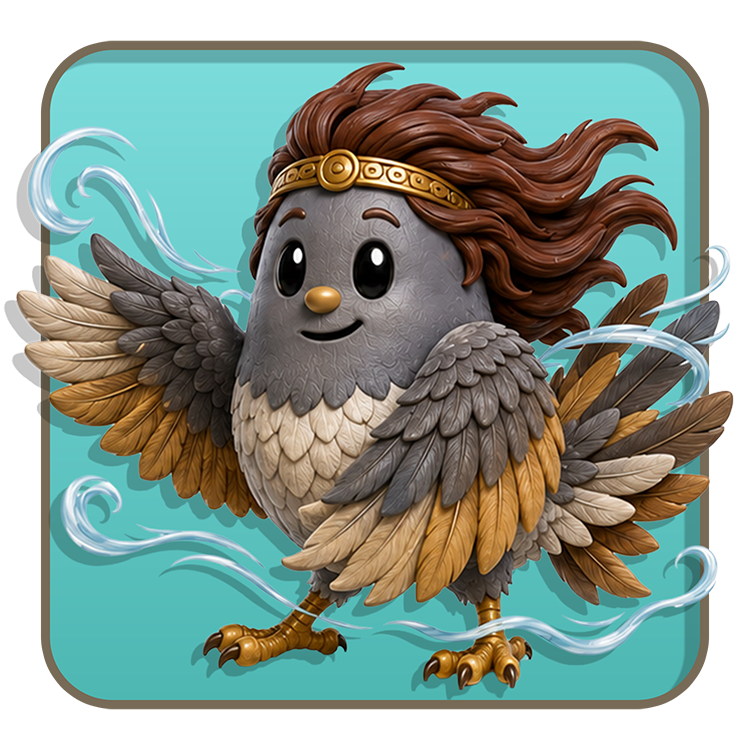
Harpies were winged female creatures whose name meant ‘snatchers’. Early Greek poets imagined them as fast spirits of storm winds, while later Greek and Roman artists often gave them women’s heads, birds’ bodies and sharp claws. They could carry people away, steal food and act as agents of divine punishment. Roman readers knew them especially from Virgil’s Aeneid, where they ruin a meal and deliver a frightening prophecy to Aeneas. I think their most effective weapon is not their claws. It is the way they turn food, safety and clear skies into sudden confusion.
Learn More About the Romans...
Meet Jocelyn
The curious mind behind Mythfits Society
Hi! I’m Jocelyn, and I created Mythfits Society to make discovering ancient myths easier, more interesting and much more fun.
Read My Story