



The strix was a frightening night bird from Greek and Roman folklore. Romans described it with a large head, staring eyes, sharp claws and a hooked beak. Its strange cry was believed to be a bad sign. The really interesting part is that ancient writers did not agree about what it actually was. The poet Ovid wondered whether striges were ordinary birds, magical creatures or old women transformed by spells. Pliny the Elder was much more doubtful and admitted that nobody seemed to know exactly which real bird people were talking about.
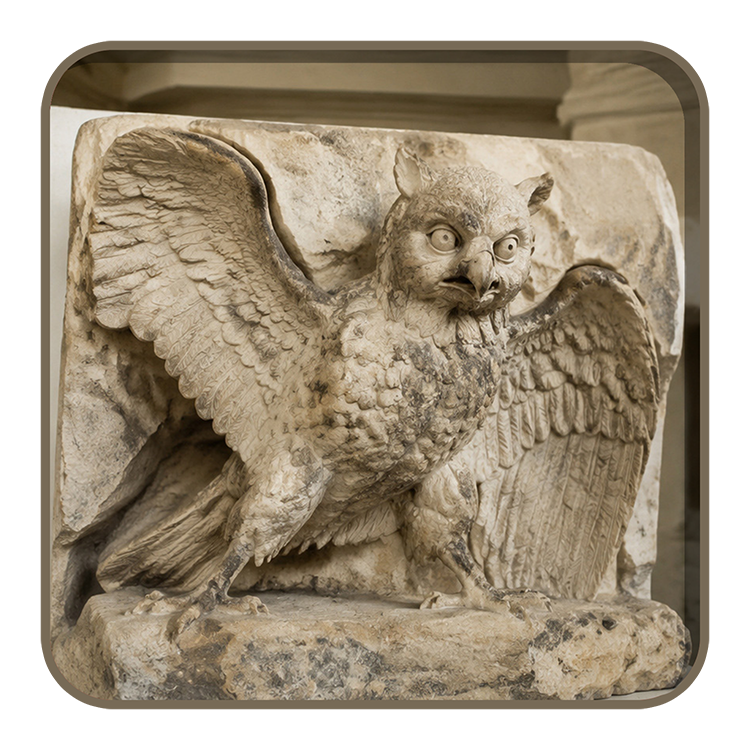
The creature may have been inspired by owls or perhaps bats. Imagine living without electric lights and hearing a strange screech outside your house in the middle of the night. A bird glimpsed for one second in the darkness could easily become something much more frightening in a story. Romans sometimes blamed the strix for attacks on babies. In Ovid's Fasti, striges attack the infant Proca. A goddess called Carna protects him using a special ritual and hawthorn at the window, and the child recovers.
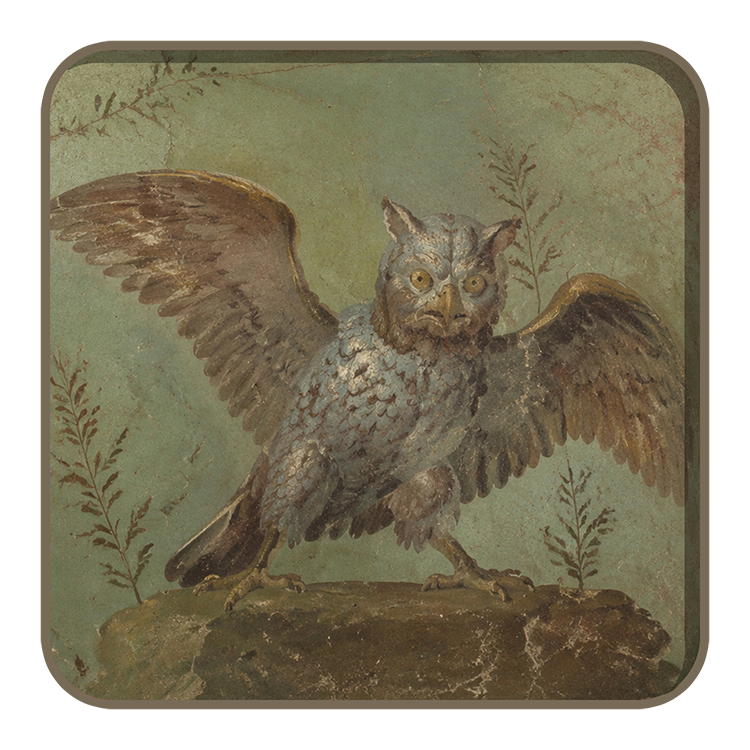
Other Roman writers included striges in stories about witches and magic. Horace mentions strix feathers as magical ingredients, while Petronius tells a spooky tale about night creatures stealing a dead boy's body. These stories were meant to frighten and entertain, rather like ghost stories today. The word strix later became connected with witches in European languages, and scientists even borrowed Strix as the name for a group of real owls. A strix is not the same as a Harpy or Siren. It is smaller, stranger and much more secretive. I think its mystery is exactly what makes it work. There is no enormous monster charging towards a hero. There is just darkness, a strange cry outside the house and the horrible feeling that something might be watching through the window.






Hi! I’m Jocelyn, and I created Mythfits Society to make discovering ancient myths easier, more interesting and much more fun.
Read My Story