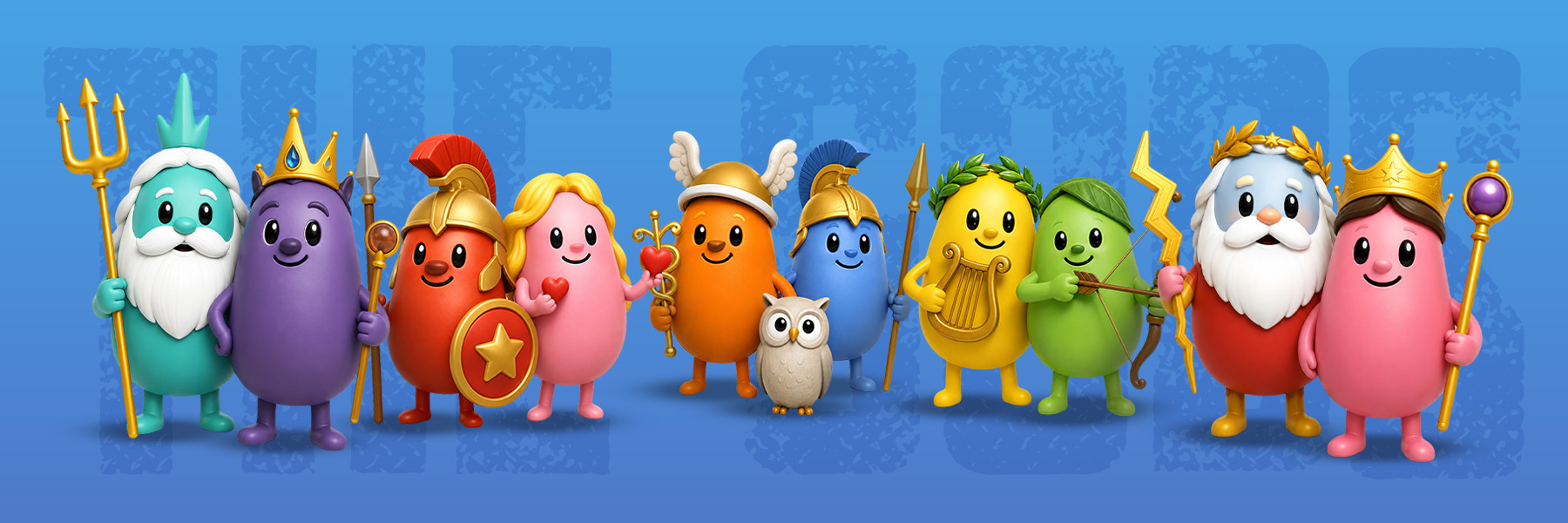
The Gods
Welcome to the Roman gods!
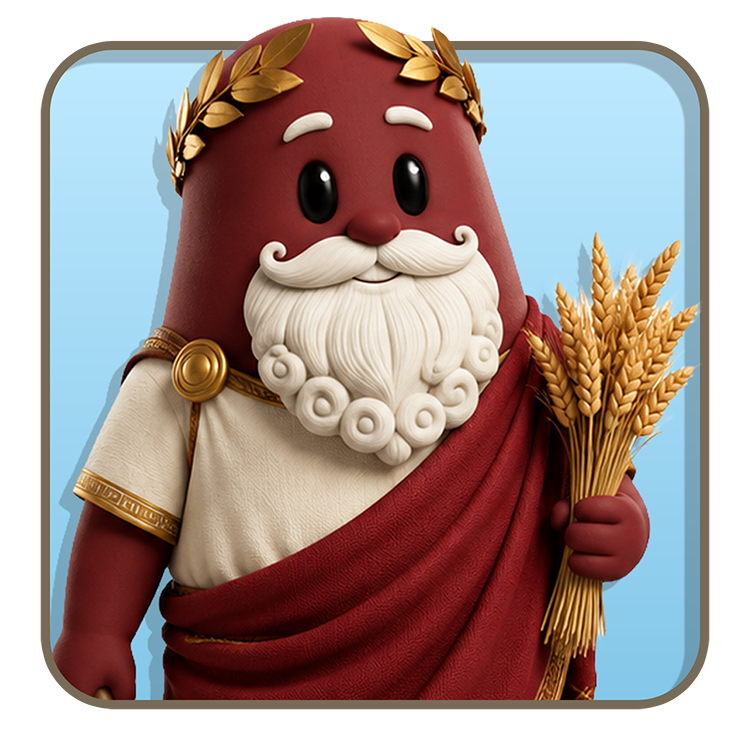
Saturn
God of the Golden Age
Saturn was one of Rome’s oldest gods, connected with farming, sowing and plenty. Roman writers later linked him with the Greek Cronus, so he inherited the dramatic story of a ruler who swallowed his children because he feared being overthrown. Yet Saturn also had a much happier Roman side. He was believed to have ruled a peaceful Golden Age when food was plentiful and people lived more equally. His December festival, Saturnalia, became one of Rome’s biggest celebrations, with feasts, gifts and relaxed rules. I like Saturn because his stories seem almost like two different gods: a frightening father in mythology and the centre of Rome’s happiest holiday.
Fun fact: During Saturnalia, normal Roman rules were relaxed and masters sometimes served enslaved people at dinner!
Learn more about Saturn
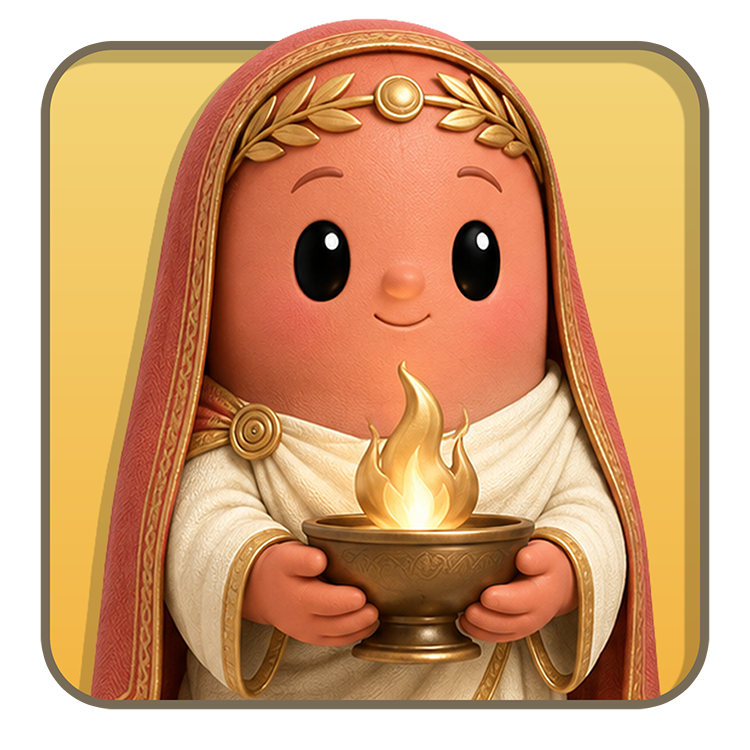
Vesta
Guardian of Rome’s Hearth
Vesta was the Roman goddess of the hearth and its fire. That might sound less exciting than controlling thunder or fighting monsters, but her job was incredibly important. Every household needed fire for warmth, cooking and light, and Rome itself kept a sacred flame representing the life of the whole community. This fire was cared for by priestesses called the Vestal Virgins. Vesta had very few dramatic myths because Romans focused more on her flame than on adventures. I actually like that. She shows that Roman religion was not only about spectacular gods. Protecting something ordinary and essential could be just as important as carrying a thunderbolt.
Fun fact: Vesta’s most important symbol was not a weapon or magical animal — it was a flame that was supposed to keep burning!
Learn more about Vesta
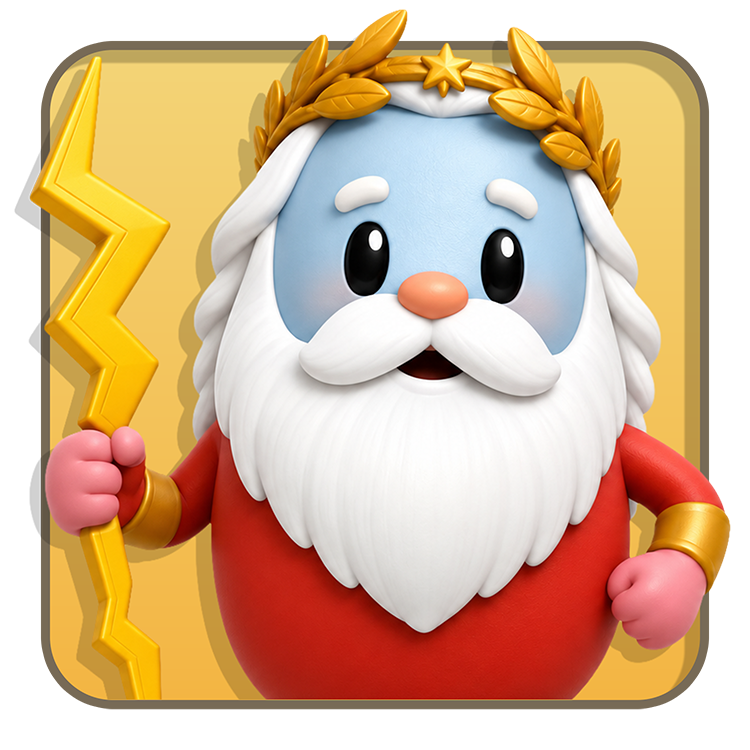
Jupiter
King of the Gods
Jupiter was king of the Roman gods and protector of the Roman state. He ruled the sky, thunder and lightning, watched over laws and promises and carried the mighty thunderbolt. Romans linked him closely with the Greek Zeus, so many of Zeus’s famous adventures became Jupiter’s stories too. But Jupiter had a particularly serious job in Roman public life. Generals thanked him after victories, officials made vows to him and important agreements called on him as a witness. His greatest temple stood on the Capitoline Hill. I think of Jupiter as the god standing above Rome itself: part storm god, part king and part guardian of the rules holding everything together.
Fun fact: Jupiter was also called Jove — which is where the old expression ‘By Jove!’ comes from!
Learn more about Jupiter
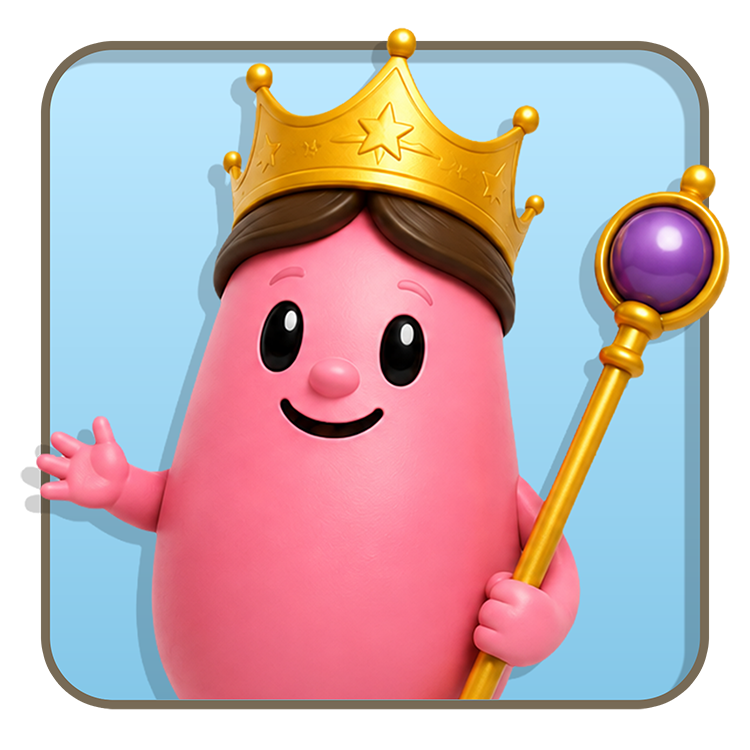
Juno
Queen of the Gods
Juno was queen of the Roman gods and a powerful protector of marriage, childbirth, women and the Roman state. She was Jupiter’s wife and sister and, with Jupiter and Minerva, belonged to the Capitoline Triad. Romans connected her with the Greek Hera, so she inherited stories about Jupiter’s unfaithfulness and her furious reactions. But Juno was much more than an angry wife. Different versions of her protected mothers, warned the city of danger and even appeared armed with a spear and shield. I like Juno because the more you look at her, the bigger her job becomes. She could protect one family and the whole of Rome at the same time.
Fun fact: The month of June is traditionally connected with Juno — one reason it later became associated with weddings!
Learn more about Juno
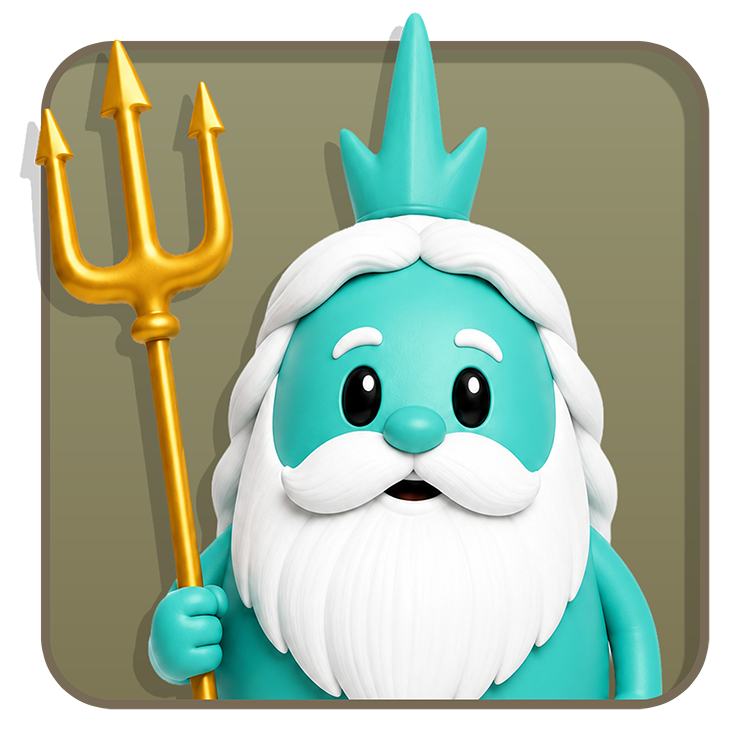
Neptune
God of the Sea
Neptune was the Roman god of water and, especially after Romans connected him with the Greek Poseidon, ruler of the sea. His famous trident could stir storms, and artists surrounded him with dolphins, horses and fantastic sea creatures. But Neptune was not only important to sailors. His Roman festival, the Neptunalia, took place during the hot, dry summer when fresh water was desperately valuable. He was also connected with horses and racing. I like this because it makes Neptune more complicated than a simple ‘ocean king’. Romans needed his help on dangerous seas, but they also needed water when their fields were dry and the summer heat was beating down.
Fun fact: Neptune was connected with horses as well as the sea — which is why mythical sea-horses often pull his chariot!
Learn more about Neptune
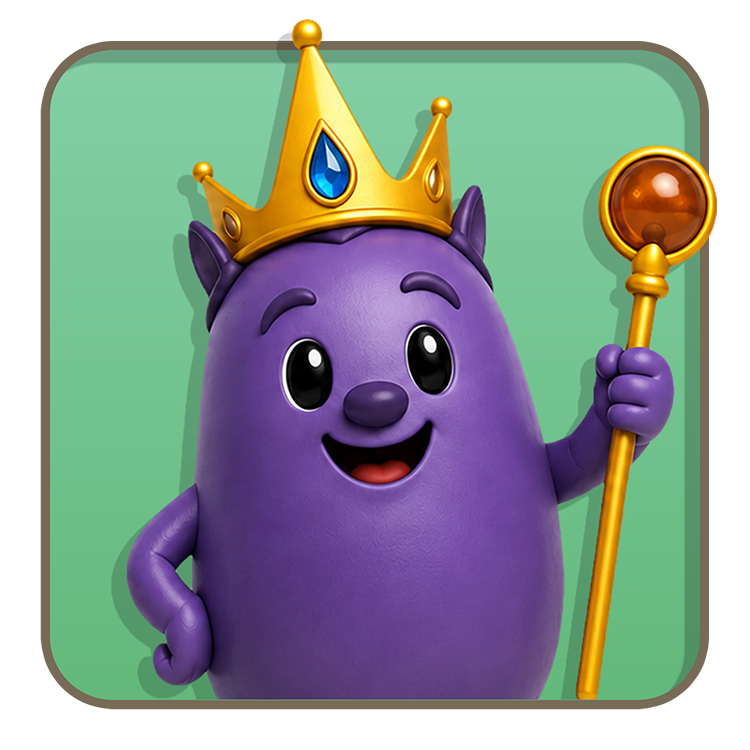
Pluto
God of the Underworld
Pluto was the Roman ruler of the Underworld, the kingdom of the dead. Romans identified him with the Greek Hades, so the two share most of their famous stories. Pluto was feared, but he was not an evil devil. He was a stern ruler responsible for a place everyone eventually entered. His name was also connected with wealth because metals, gemstones and crops all came from beneath the earth. His best-known story is the abduction of Proserpina, whose yearly return to her mother Ceres became connected with the return of growing plants. I think Pluto is interesting because the ground beneath us represented both death and hidden riches.
Fun fact: Pluto’s name is connected with wealth — the same underground world of graves also contained gold, silver and precious stones!
Learn more about Pluto
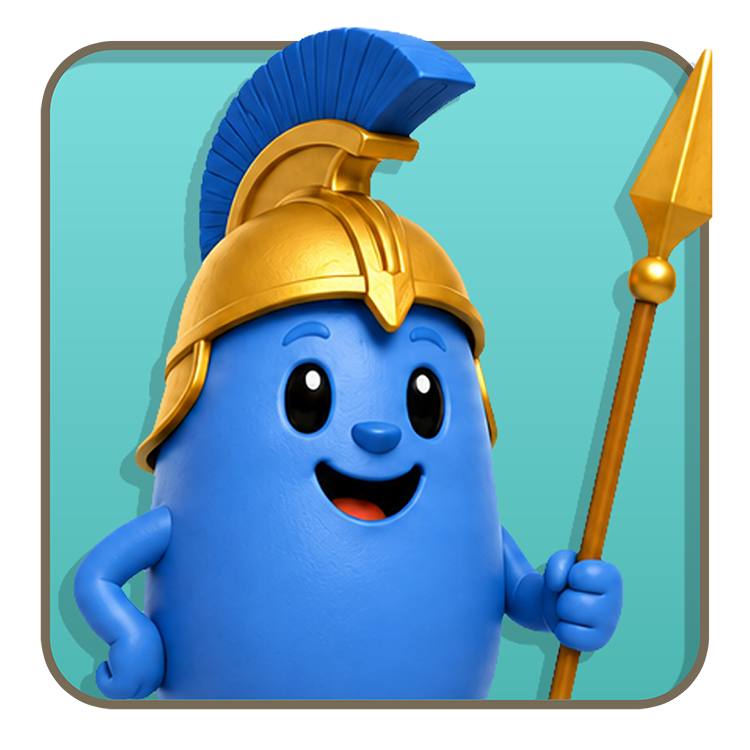
Minerva
Goddess of Wisdom
Meet Minerva, the Roman goddess of wisdom, learning, crafts and clever strategy! She protected people who used their brains and skills, including teachers, doctors, artists, writers and craftspeople. Romans connected her with the Greek Athena, so she inherited Athena’s famous armour, owl and extraordinary birth from Jupiter’s head. Minerva was also one of Rome’s three most important state gods alongside Jupiter and Juno. Her festival was especially popular with schoolchildren and people learning a trade. I like Minerva because her real superpower was not being the strongest person in the room. It was knowing what to do before everybody else started charging around!
Fun fact: Minerva protected schoolchildren, so Roman pupils actually had a goddess who understood homework!
Learn more about Minerva
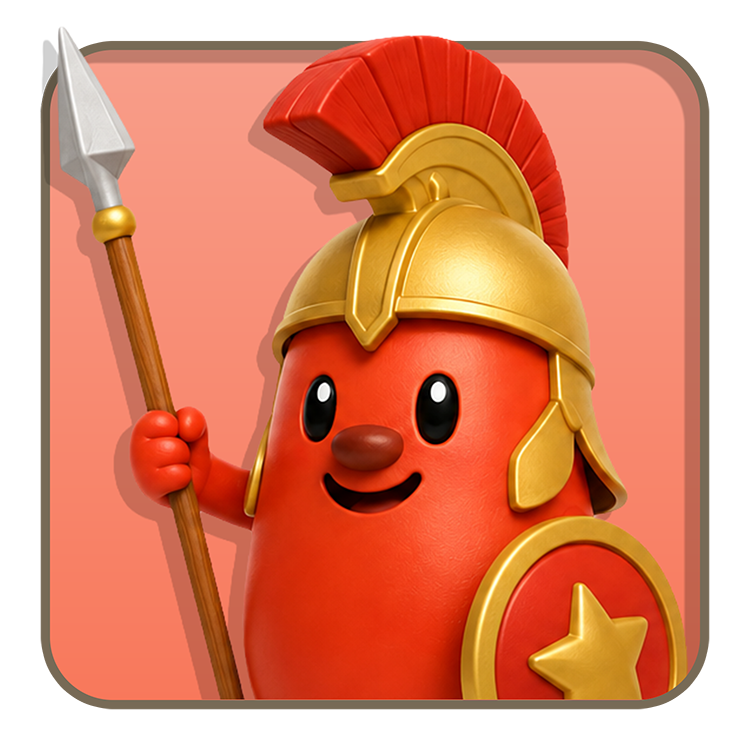
Mars
God of War
Meet Mars, the Roman god of war, courage and military strength! Mars might sound like the Greek Ares, but Romans treated him with much more respect. He was also connected with farming and protecting Rome’s land, so his strength was meant to defend the community as well as fight enemies. Mars was believed to be the father of Romulus and Remus, Rome’s legendary founders, which made him an ancestor of the Roman people. The month of March is named after him, and his symbols included a spear, helmet and shield. I think Mars makes much more sense when you remember that Romans saw him as a protector, not simply somebody who enjoyed battles.
Fun fact: Mars had twelve sacred shields, but eleven were copies so thieves could not identify the real one!
Learn more about Mars
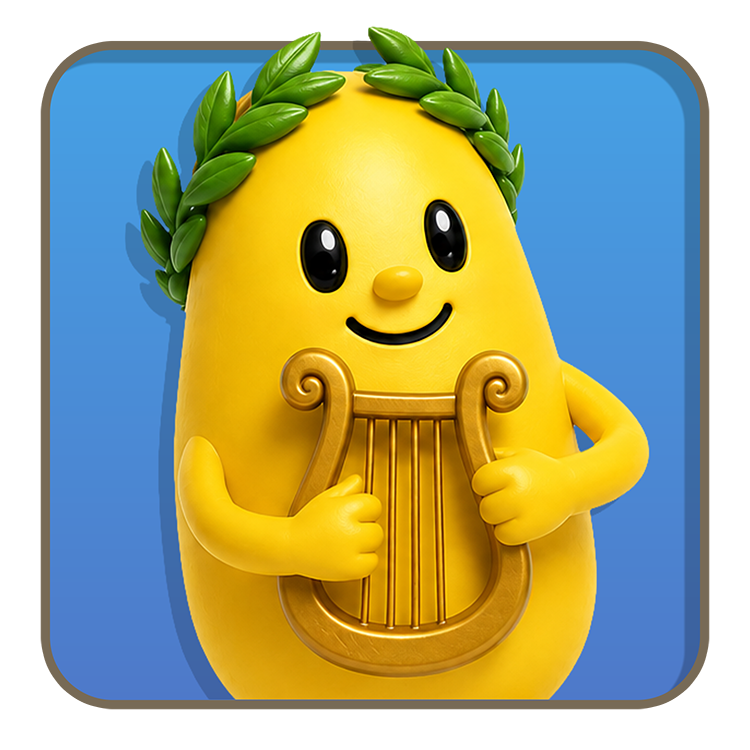
Apollo
God of Music & Prophecy
Meet Apollo, one of the few major gods whose Greek and Roman names stayed exactly the same! Apollo was god of music, poetry, prophecy, healing and archery. He was the son of Jupiter and Latona and twin brother of Diana. His famous oracle at Delphi gave mysterious advice to people who travelled from across the ancient world. Apollo carried a bow or lyre and wore the sacred laurel. Romans also connected him strongly with sunlight, although Sol remained a separate Sun god. I like Apollo because he seems calm and brilliant until somebody challenges him. Then you quickly discover that the god of beautiful music can have a seriously terrible temper!
Fun fact: Apollo kept his Greek name when he moved into Roman religion. Apparently even the Romans thought it was good enough already!
Learn more about Apollo

Diana
Goddess of the Hunt
Meet Diana, the Roman goddess of hunting, wild animals, woodland and the Moon! Diana was the daughter of Jupiter and Latona and the twin sister of Apollo. She carried a bow, travelled through forests with her companions and chose never to marry. Romans connected her with the Greek Artemis, but Diana also had important Roman sanctuaries of her own, especially beside beautiful Lake Nemi. She protected women, children and childbirth as well as wild places. Deer, hunting dogs and the crescent Moon were all linked with her. I like Diana because she belongs beyond the city walls, where nature can be peaceful and beautiful one minute and completely unpredictable the next.
Fun fact: During Diana’s festival, hunting dogs could be decorated with flowers and given the day off!
Learn more about Diana

Venus
Goddless of Love
Meet Venus, the Roman goddess of love, beauty, desire and fertility! Romans connected her with the Greek Aphrodite, but Venus became especially important because she was believed to be the mother of Aeneas, the Trojan hero whose descendants eventually led to Rome. Julius Caesar even claimed Venus as one of his family ancestors! She could inspire love, help gardens grow and bring success or victory. Her symbols included roses, myrtle and doves, and her son Cupid often appears beside her. I like Venus because she shows how Roman gods could grow beyond their Greek connections. She was not just about romance. She became part of Rome’s own enormous family story.
Fun fact: Julius Caesar claimed Venus was his ancestor. Imagine putting ‘goddess of love’ on your family tree!
Learn more about Venus
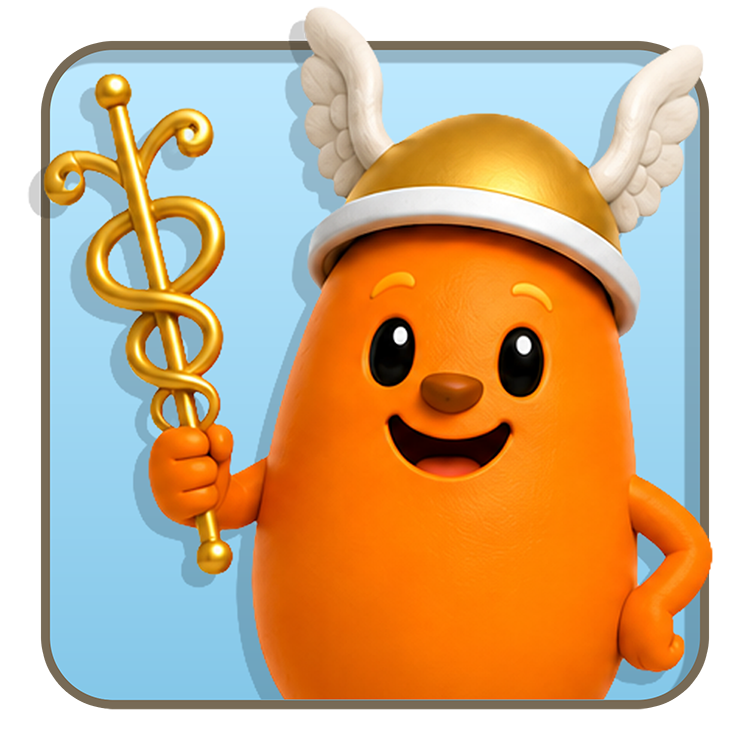
Mercury
Messenger of the Gods
Meet Mercury, the speedy Roman god of trade, travellers, messages and clever tricks! Mercury was the Roman version of the Greek Hermes and inherited his winged sandals, caduceus and extremely cheeky personality. He protected merchants and people travelling between places, and he could move between the worlds of gods, humans and the dead. In Greek-style stories, Mercury was already causing trouble on the day he was born by stealing Apollo’s cattle and inventing the lyre! Roman merchants took him seriously because journeys and business deals could both be risky. I like Mercury because he rarely solves a problem by being stronger. He watches, thinks quickly and talks his way through it.
Fun fact: Baby Mercury stole Apollo’s cattle on his first day alive. Most babies just manage crying!
Learn more about Mercury
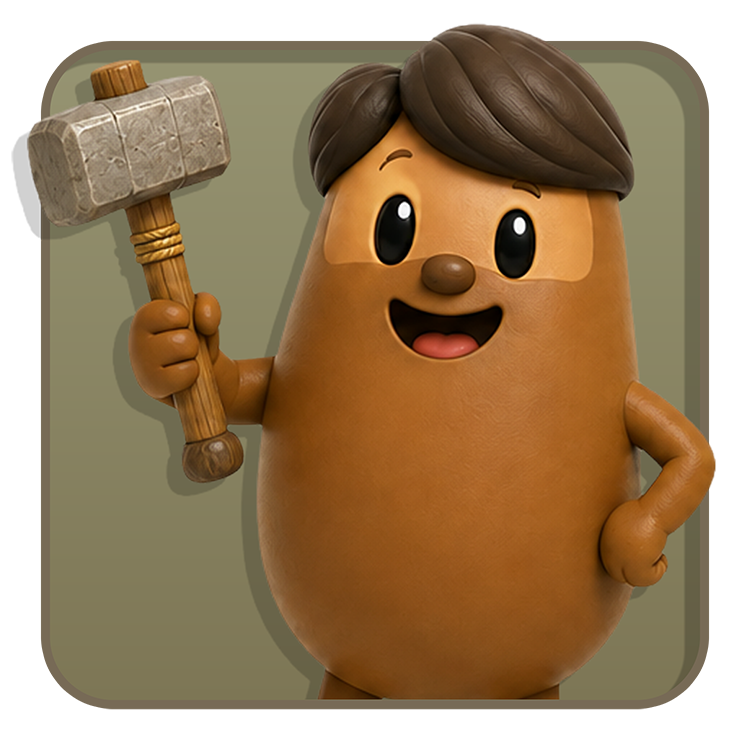
Vulcan
God of Fire & Smithing
Vulcan was the Roman god of fire, furnaces and metalworking. He could control the sort of heat that helped smiths make tools, armour and beautiful objects, but fire could also destroy an entire neighbourhood if it escaped. Romans therefore respected Vulcan as both useful and dangerous. They later connected him with the Greek Hephaestus and gave him many of the same stories, including his incredible workshop and his marriage to Venus. Vulcan usually appears with a hammer or tongs. I like him because he does not need a thunderbolt or giant muscles to impress anyone. Give him metal, heat and a workshop and he can make things the other gods cannot.
Fun fact: The word ‘volcano’ comes from Vulcan because people imagined his fiery workshop underground!
Learn more about Vulcan
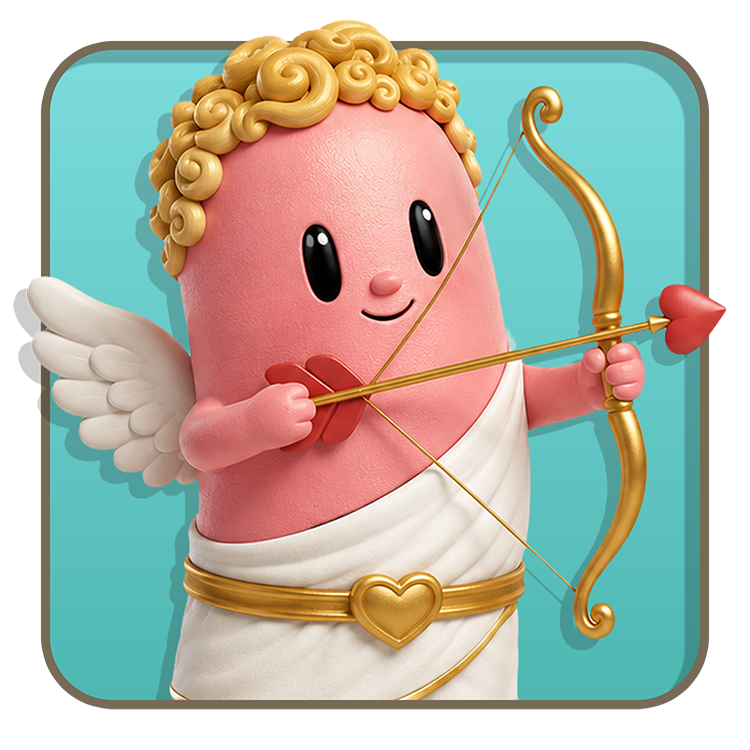
Cupid
Rome’s Mischievous Love God
Cupid was the Roman god of love, attraction and desire. He is usually shown as a small winged boy carrying a bow and arrows, which makes him look adorable. Do not be fooled! His arrows could make gods and humans fall hopelessly in love, sometimes with extremely inconvenient people. Romans connected him with the Greek Eros, and Venus was usually his mother. Cupid’s biggest adventure is his love story with the mortal princess Psyche, where he discovers that love can cause him just as much trouble as everybody else. I think Cupid is funny because he looks like the least threatening god imaginable, yet one tiny arrow can completely change somebody’s life.
Fun fact: Cupid once fell in love after accidentally scratching himself with his own arrow. Awkward!
Learn more about Cupid
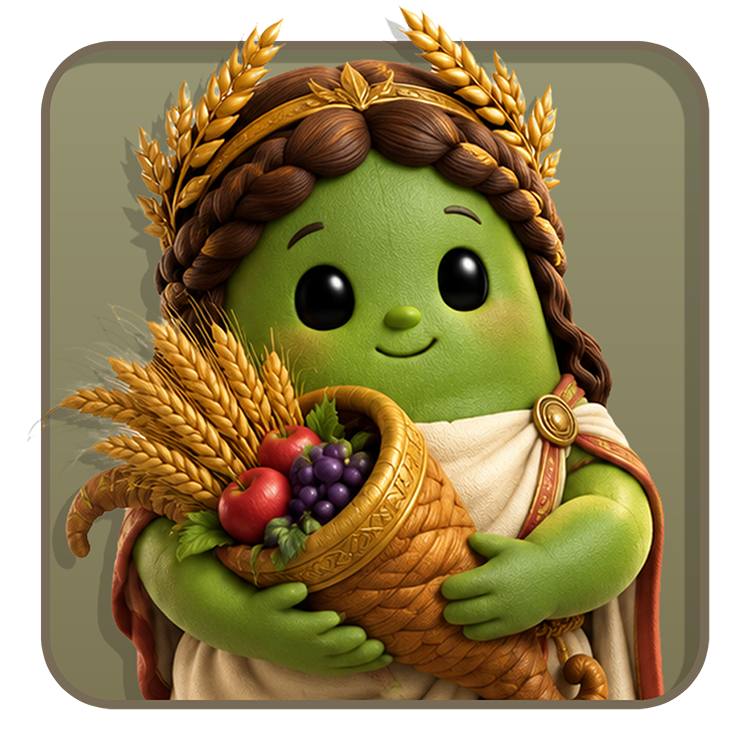
Ops
The Goddess of Plenty
Ops was the Roman goddess of abundance, crops and the riches that came from the earth. Her name was connected with ideas of wealth and plenty, but ancient wealth did not always mean piles of coins. A full grain store, healthy animals and enough food for winter could make a family feel very rich indeed! Ops was married to Saturn and became the mother of Jupiter, Juno, Neptune, Pluto, Ceres and Vesta in Roman mythology. Romans later connected her with the Greek Rhea. I like Ops because her power sounds simple until you imagine life without it. A full basket of food could be more useful than any magical weapon.
Fun fact: Ops had two festivals each year, which seems fair for a goddess whose speciality was having plenty!
Learn more about Ops

Ceres
Goddess of Agriculture
Ceres was the Roman goddess of grain, farming and fertility. If you have ever eaten a bowl of cereal, you have actually used a word that comes from her name! Ceres protected the crops that became bread and kept Roman families fed. She was also the mother of Proserpina, and their famous story explains why plants seem to disappear and return as the seasons change. When Pluto takes Proserpina to the Underworld, Ceres becomes so upset that she stops crops growing. I like Ceres because her enormous power comes from something very easy to understand. She loves her daughter, and when they are separated, the whole world feels her sadness.
Fun fact: Our word ‘cereal’ comes from Ceres. She is basically hiding in your breakfast cupboard!
Learn more about Ceres
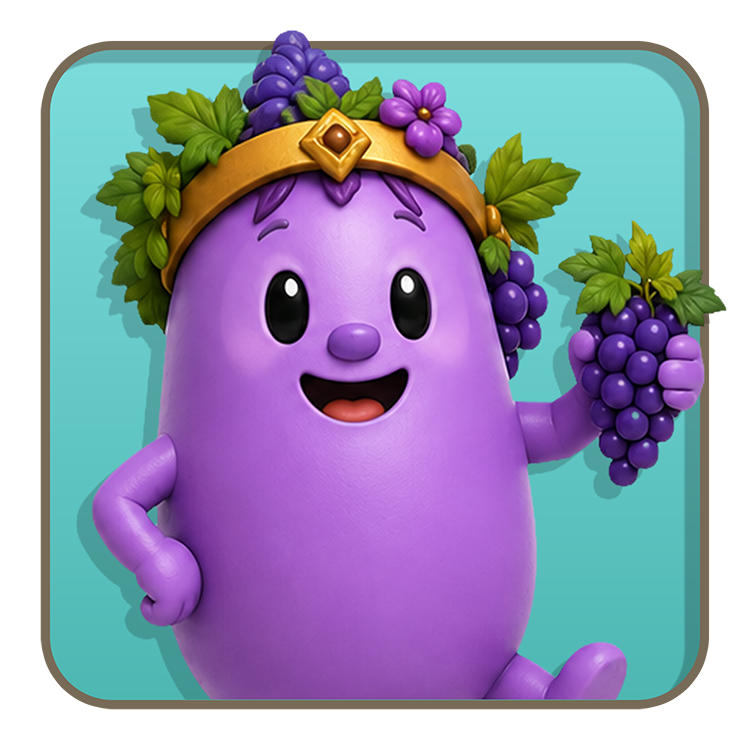
Bacchus
God of Wine & Celebration
Bacchus was the Roman god of wine, vines, celebration and theatre. Romans connected him with the Greek Dionysus, and his stories are some of the strangest in mythology. He was even born twice! After his mother Semele died, Jupiter rescued the unborn Bacchus and sewed him into his thigh until he was ready to be born. Bacchus later travelled around teaching people how to grow grapes and make wine. His followers danced, played music and celebrated wildly. I think Bacchus is fascinating because he represents fun that can become chaos if people lose control. One minute there is music and dancing. The next minute somebody has turned into a dolphin!
Fun fact:Bacchus was born from Jupiter’s thigh. That might be mythology’s strangest maternity ward!
Learn more about Bacchus

Lares
Guardian of the Home
The Lares were Roman spirits who protected homes, families and neighbourhoods. They were not one single god. A Roman family might have its own Lares watching over the house, while other Lares guarded farms, roads or crossroads. Inside the home, people kept a little shrine called a lararium and left small offerings of food, wine or incense. The Lares were often shown as two cheerful young men who looked as though they were dancing. I really like that idea. Instead of enormous gods watching from the clouds, the Romans imagined friendly protectors right inside the places where they cooked, worked, played and spent time together.
Fun fact: Some Roman houses had their own tiny shrine indoors — a bit like having a miniature temple in your kitchen!
Learn more about Lares

Penates
Protector of the Store Cupboard
The Penates were Roman guardian gods who protected a family’s food supplies and well-being. Their job might not sound as exciting as throwing lightning or fighting monsters, but imagine opening every cupboard in your house and finding absolutely nothing to eat! Romans knew that safely stored grain, oil and other food could be the difference between comfort and hunger. Families honoured the Penates near the hearth with small offerings. They were often mentioned alongside the Lares, although they had different jobs. I think the Penates are a brilliant reminder that Roman gods were not only interested in enormous adventures. Some were protecting dinner!
Fun fact: When Aeneas escaped from burning Troy, he took his household gods with him. Even heroes remembered to pack the Penates!
Learn more about Penates
Learn More About the Romans...
Meet Jocelyn
The curious mind behind Mythfits Society
Hi! I’m Jocelyn, and I created Mythfits Society to make discovering ancient myths easier, more interesting and much more fun.
Read My Story