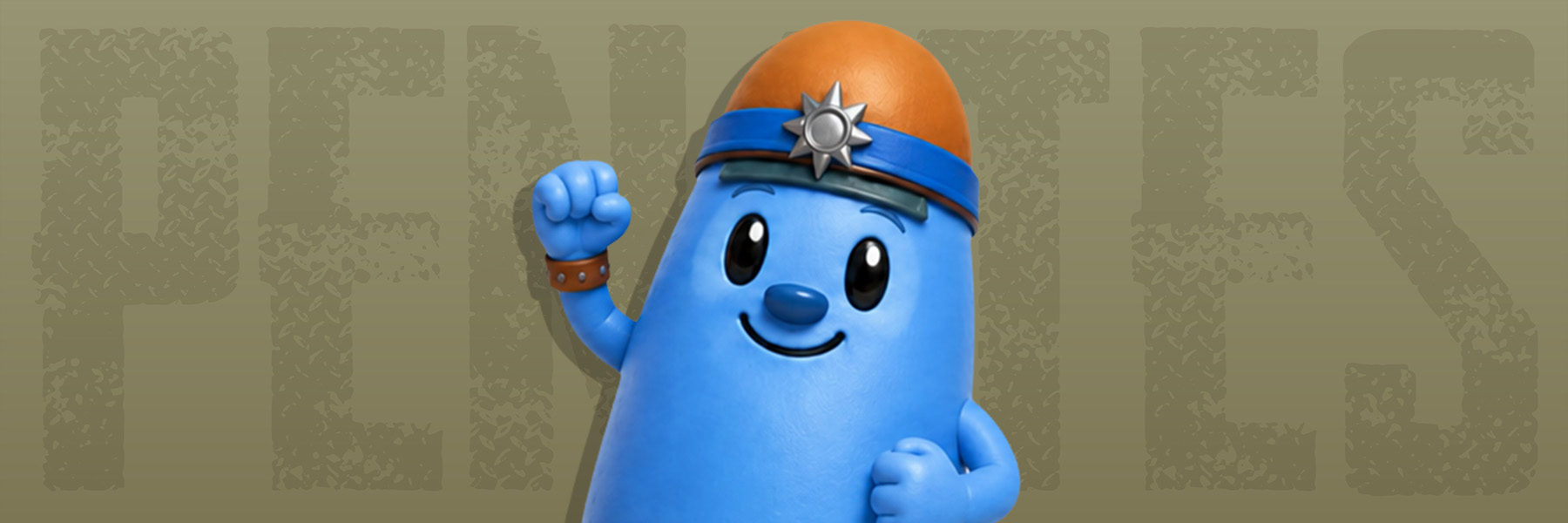
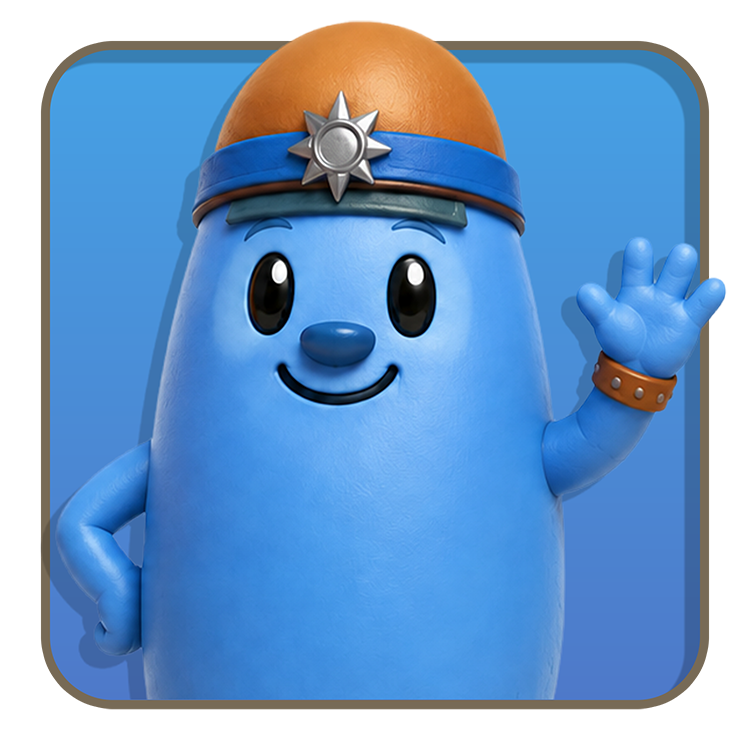
The Penates were Roman guardian gods connected with a household’s food supplies and continuing well-being. Their name may be related to the penus, an inner store where provisions were kept. Romans usually talked about them in the plural because a household could have more than one. Families honoured them near the hearth and might share tiny offerings of food, wine or incense. There was no single fixed appearance for a Penate. Small figures could show youthful gods holding cups, spears or cornucopias, and different families could have slightly different traditions.
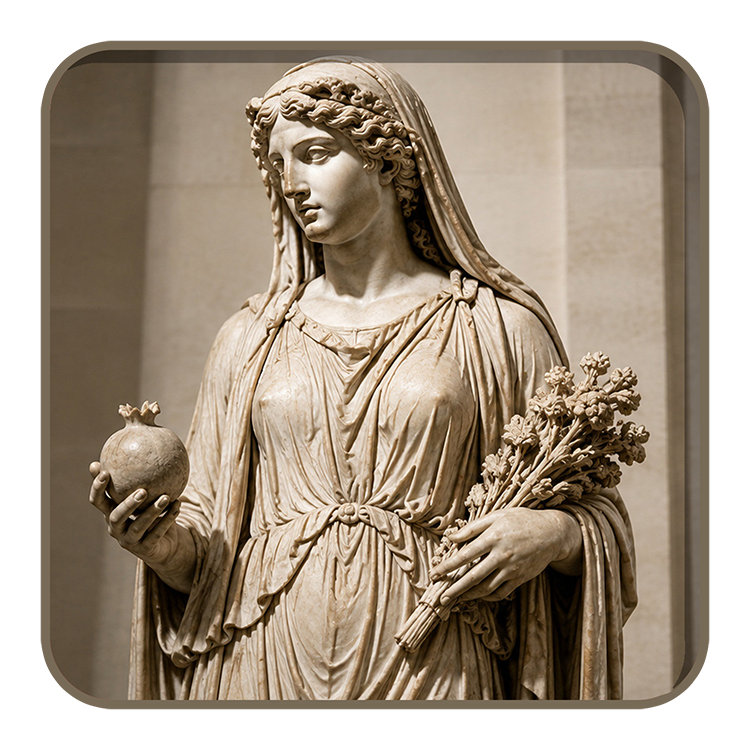
The Penates were often mentioned with the Lares, but the two groups were not identical. The Lares protected the household and the place where people lived, while the Penates were especially connected with provisions and the security that kept the family going. This made sense in an ancient home. The hearth provided heat and somewhere to cook, while safely stored grain and oil meant people could still eat when fresh food was unavailable. Roman worship did not always require enormous sacrifices. A small portion from a meal could be enough to show respect.
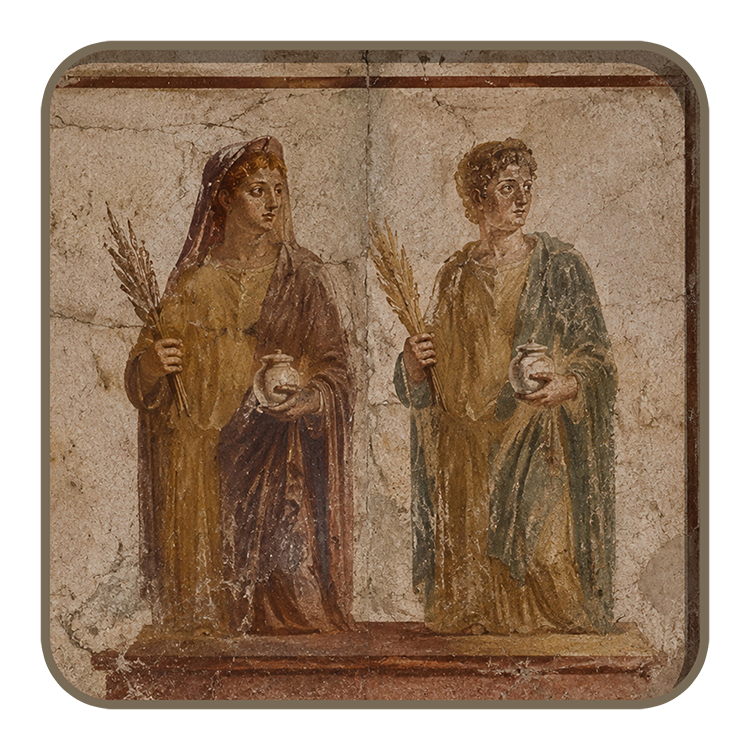
Rome itself even had public Penates who protected the welfare of the whole state. Their most famous story, though, belongs to Aeneas. When Troy was destroyed, Aeneas escaped carrying his elderly father Anchises, leading his young son Ascanius and bringing the household gods with him. In Virgil’s Aeneid, the Penates travel with the Trojan survivors and help guide them towards Italy. Aeneas loses his city, but he carries part of his home into the future. Romans later connected these gods with Lavinium, the town Aeneas was said to have founded. I think this makes the Penates much more interesting than simply calling them cupboard gods. They represented the things a family needed to survive, but they also represented continuity. A house could disappear and people could travel hundreds of miles, yet memories, traditions and the people they cared about could still help them create a new home.

Hi! I’m Jocelyn, and I created Mythfits Society to make discovering ancient myths easier, more interesting and much more fun.
Read My Story