Kings & Pharoahs
Welcome to Egypt’s rulers!
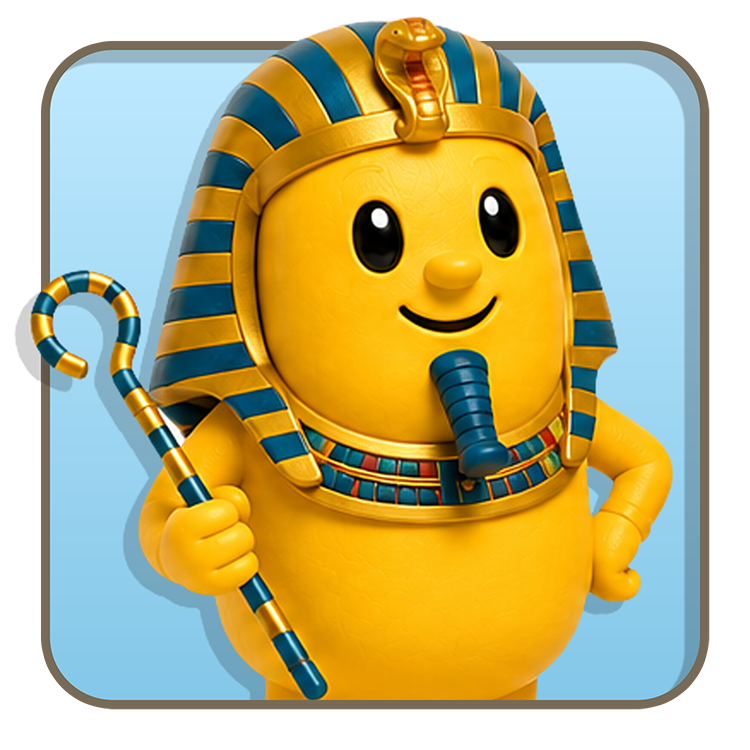
Tutankhamun
The Boy King
Tutankhamun is probably the most famous pharaoh in the world, but he was not one of Egypt's most powerful rulers. He became king when he was about nine years old and died while still a teenager, around 1323 BCE. His short reign came near the end of Egypt's Eighteenth Dynasty. We know him mainly because his tomb survived with thousands of objects inside it. I think that makes his story especially interesting: a young ruler who achieved little fame during his lifetime became an international celebrity more than three thousand years later.
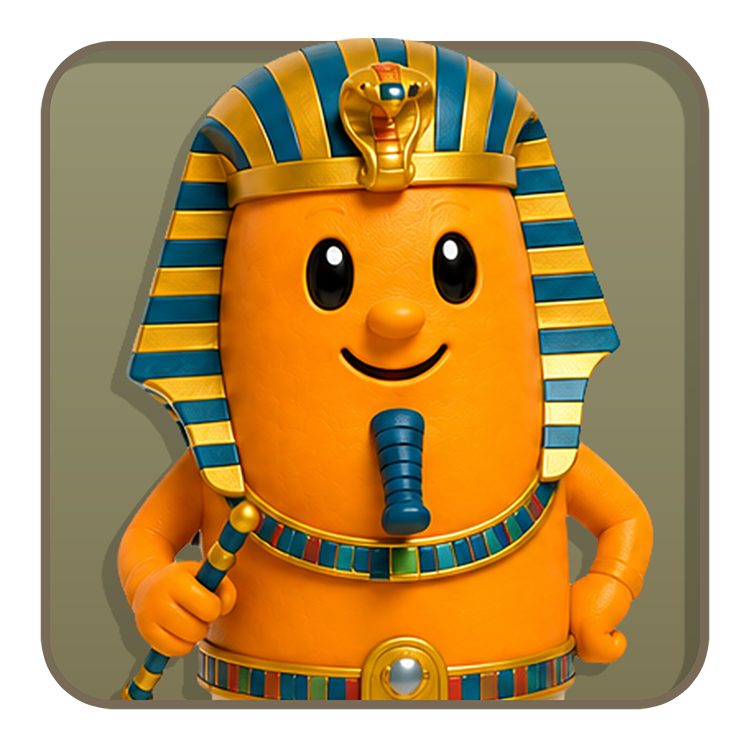
Ramesses II
The Great Pharaoh
Ramesses II ruled Egypt for about sixty-six years, from 1279 to 1213 BCE, and lived into his eighties or nineties. That was an extraordinary lifespan in the ancient world. He is often called Ramesses the Great because he fought major campaigns, built enormous monuments and filled Egypt with his name and image. He was also a brilliant promoter of his own achievements. I find him fascinating because his reign shows that history is not only about what happened. It is also about how rulers wanted future generations to remember what happened.
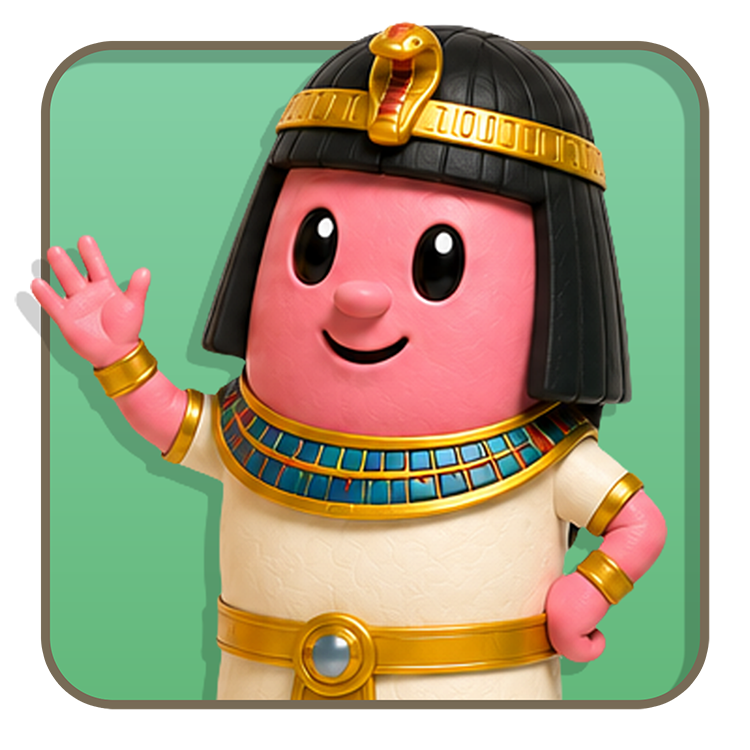
Hatshepsut
The Powerful Woman Pharaoh
Hatshepsut was one of ancient Egypt's most successful female pharaohs. She ruled during the Eighteenth Dynasty in the fifteenth century BCE, when Egypt was wealthy and powerful. At first she governed for the young Thutmose III, but she later took the full titles and symbols of a king. Her monuments describe a peaceful, prosperous reign filled with building and trade. I admire how confidently she presented herself as Egypt's rightful ruler in a system where nearly every pharaoh was male.
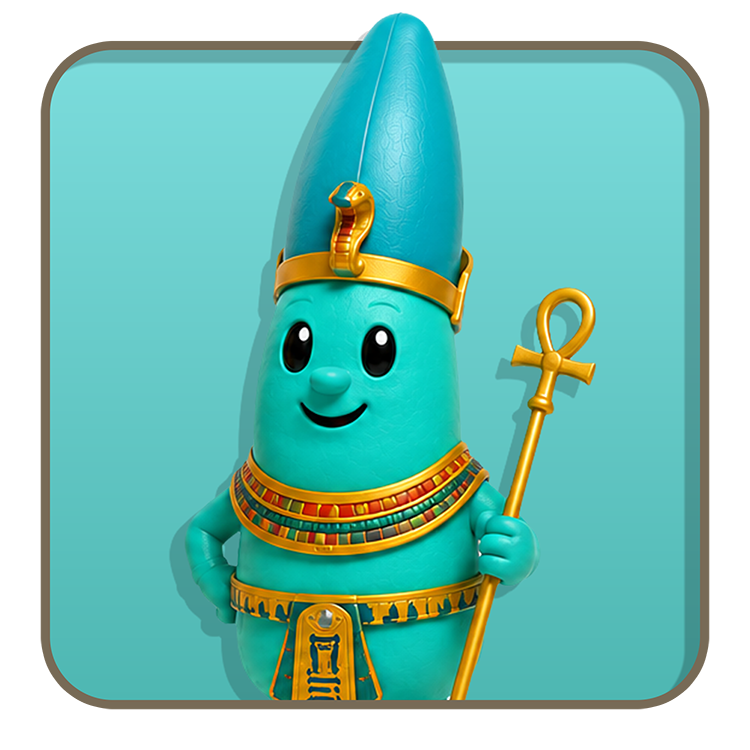
Akhenaten
The Sun-Worshipping Pharoah
Akhenaten was the pharaoh who tried to transform Egyptian religion, royal art and even the location of the capital. He ruled in the fourteenth century BCE and began his reign as Amenhotep IV. Instead of giving the usual royal support to many gods, he raised the Aten, the visible disc of the Sun, above all others. His changes were so unusual that later rulers tried to undo them and remove his name. I think his reign is one of history's best examples of how a single ruler can cause enormous change without making that change permanent.
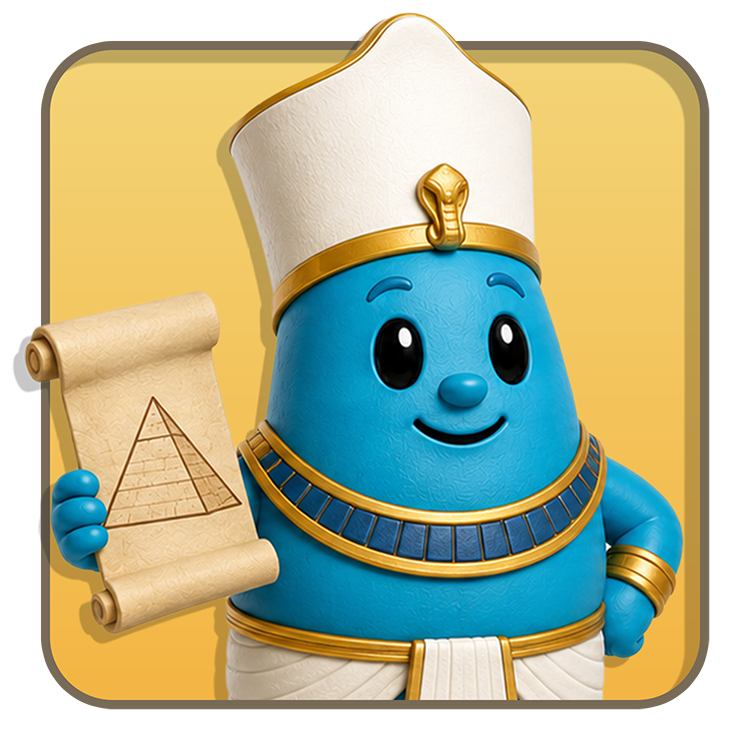
Khufu
Builder of the Great Pyramid
Khufu was the Old Kingdom pharaoh for whom the Great Pyramid of Giza was built. He ruled during Egypt's Fourth Dynasty, around the middle of the twenty-sixth century BCE. The pyramid was the tallest human-made structure on Earth for thousands of years and is the only surviving wonder from the traditional Seven Wonders of the Ancient World. Strangely, we know far more about Khufu's monument than about Khufu himself. I find that contrast amazing: his stone mountain is famous everywhere, while the person at its centre remains mysterious.
Fun fact: Although Khufu built Egypt’s largest pyramid, one of the only surviving statues of him is small enough to fit in your hand.
Learn more about Khufu
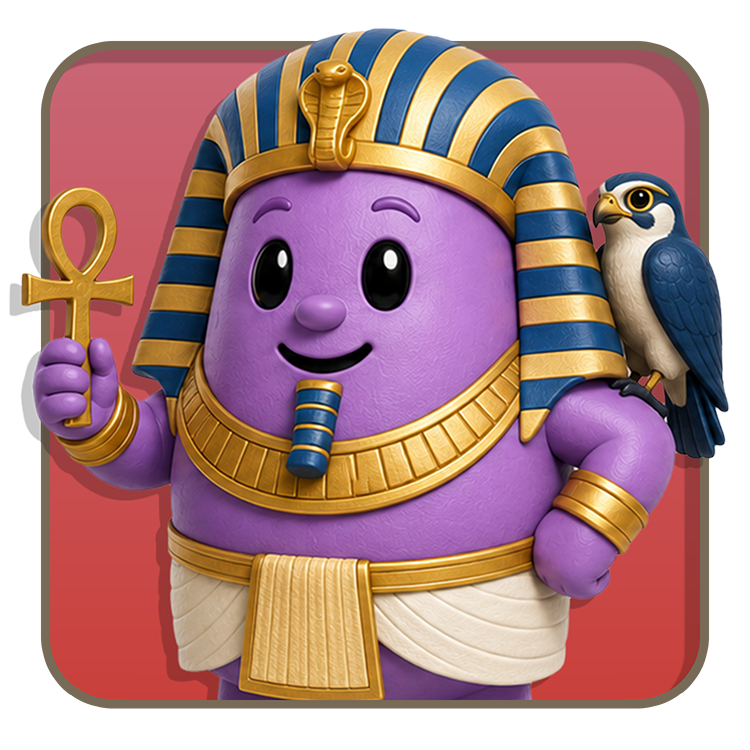
Khafre
Pharaoh of Pyramid and Sphinx
Khafre was an Old Kingdom pharaoh of Egypt's Fourth Dynasty and the builder of the second great pyramid at Giza. He lived in the twenty-sixth century BCE and was probably a son of Khufu. His pyramid looks taller than Khufu's from some viewpoints because it stands on higher ground, although it is actually a little shorter. Part of its smooth limestone casing remains near the top. I like Khafre's complex because it shows how architecture, sculpture and landscape could work together to make a king seem permanently powerful.
Fun fact: Khafre’s pyramid looks taller than Khufu’s Great Pyramid because it was built on slightly higher ground.
Learn more about Khafre
Learn More About the Egyptians...