
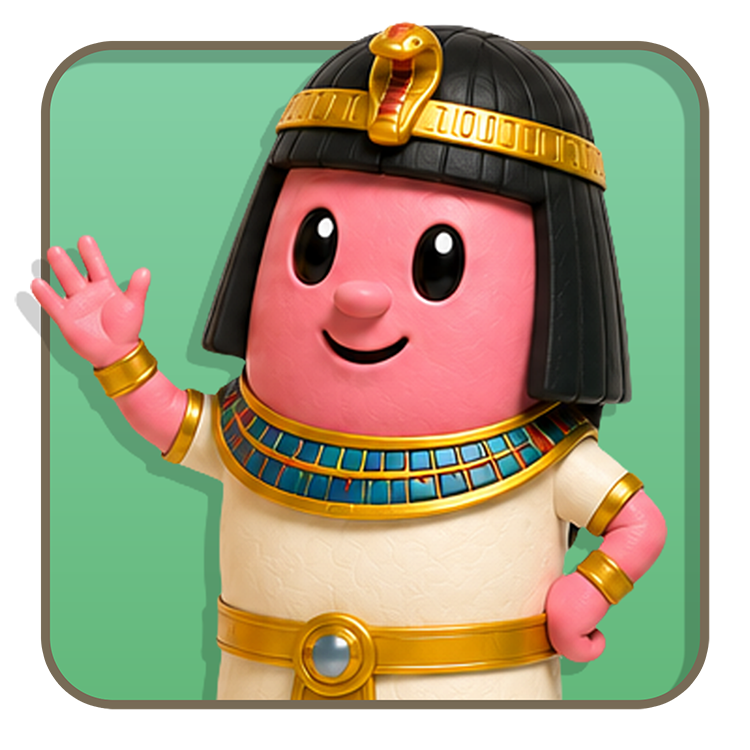
She was the daughter of Pharaoh Thutmose I and Queen Ahmose. Hatshepsut married her half-brother Thutmose II and became his chief queen. They had a daughter named Neferure. Thutmose II also had a son, Thutmose III, with another woman called Iset. When Thutmose II died, his son was still a child. Hatshepsut became regent, meaning she ruled on his behalf. Within several years she was shown as pharaoh, while Thutmose III remained a king alongside her rather than disappearing from royal life. Egyptian art used special clothing and objects to identify a pharaoh. Hatshepsut could appear as a woman in a long dress, but many statues show her in the striped royal headcloth, short kilt and ceremonial false beard worn by male kings. Some images use a more traditionally masculine body.
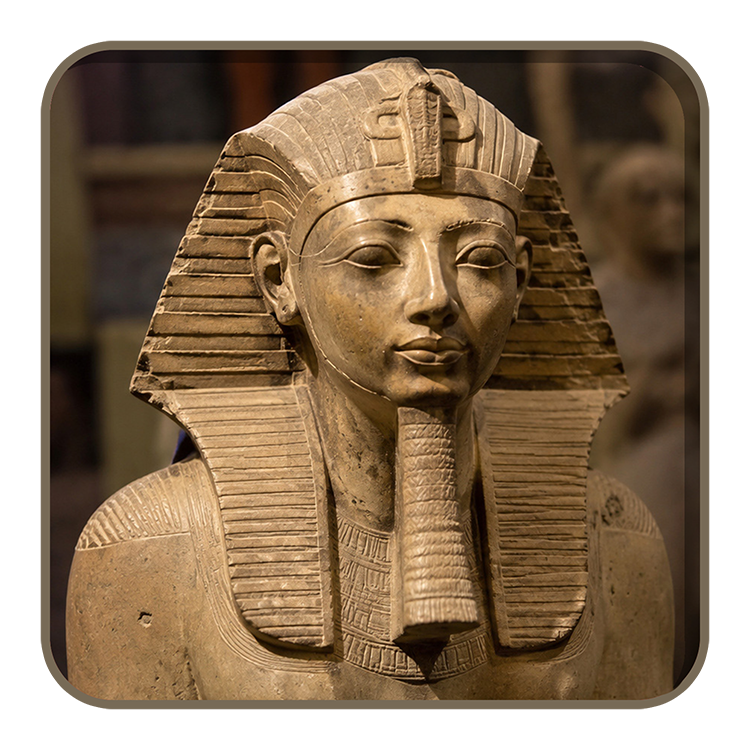
This was not an attempt to trick viewers about who she was. Inscriptions clearly named her. The imagery placed her inside the familiar visual language of kingship and connected her with earlier rulers. Hatshepsut supported her claim in several ways. Temple scenes described the god Amun choosing her to rule and told of her divine birth. She honoured her father and suggested that he had intended her to succeed him. Her throne name, Maatkare, linked her with Ma'at, the proper order of the world. These messages mattered because a pharaoh had religious duties as well as political ones. Her officials, including the influential Senenmut, helped organise an ambitious programme of construction. Her most famous monument is her memorial temple at Deir el-Bahri, designed in terraces beneath high cliffs on the west bank of the Nile at Thebes.
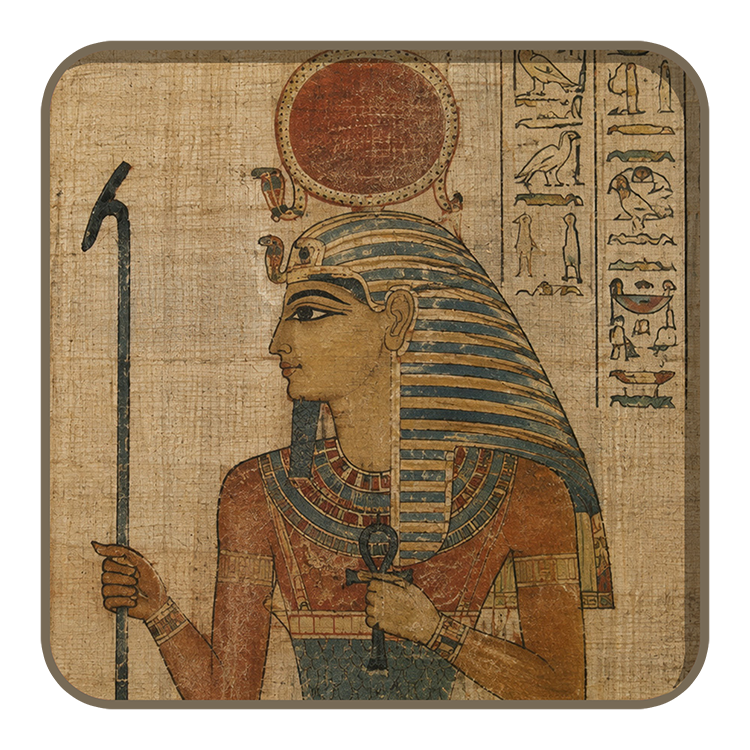
Reliefs there record an expedition to Punt, a trading region probably around the Red Sea and Horn of Africa. Ships returned with incense trees, ebony, ivory and other valuable goods. The pictures even show fish in the water and details of Punt's houses. Hatshepsut also raised obelisks at Karnak and restored temples that had been damaged in earlier conflicts. After Hatshepsut's death, Thutmose III ruled alone. Years later, many of her names and images were removed or covered. Scholars once imagined that an angry Thutmose immediately attacked her memory, but the erasures began late in his reign and the reasons remain debated.




Hi! I’m Jocelyn, and I created Mythfits Society to make discovering ancient myths easier, more interesting and much more fun.
Read My Story