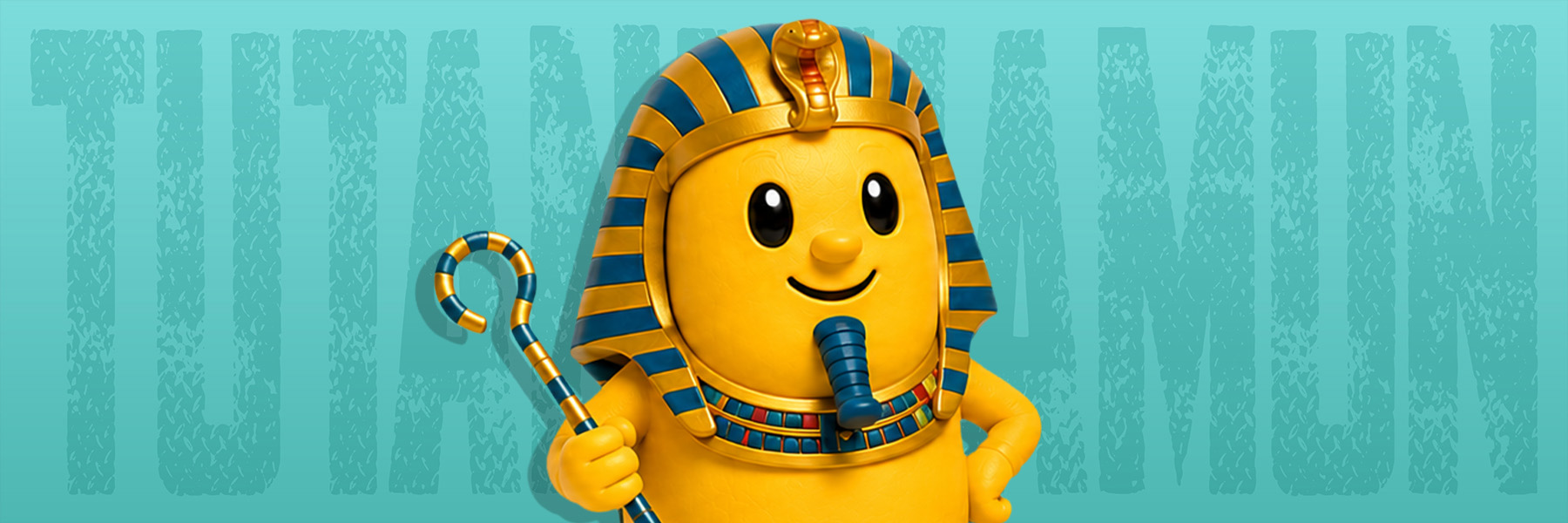
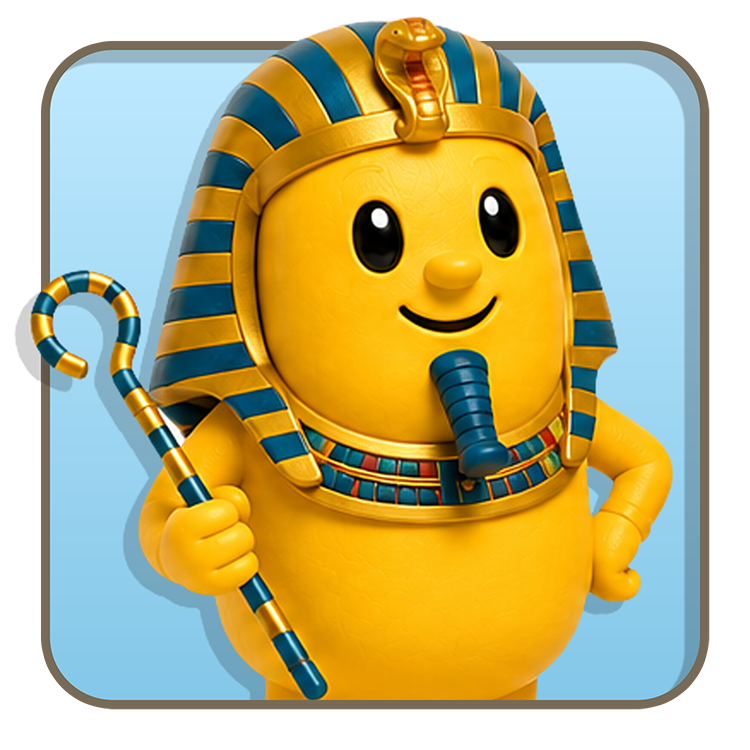
He was born during a strange and unsettled period. The pharaoh Akhenaten had promoted worship of the Aten, shown as the disc of the Sun, and reduced support for many traditional gods. The royal court moved to a new city called Akhetaten, now known as Amarna. Tutankhamun was first named Tutankhaten, meaning 'living image of the Aten'. His exact parentage is still debated, although scientific studies and other evidence place him within Akhenaten's royal family. He married Ankhesenpaaten, one of Akhenaten and Nefertiti's daughters. Soon after the boy king came to the throne, Egypt returned to its older religious traditions. Tutankhaten became Tutankhamun, while his wife became Ankhesenamun. Temples reopened, damaged sacred images were repaired and Amun once again received royal support. A text called the Restoration Stela announced that the gods' temples had fallen into neglect and described the new programme of repair.
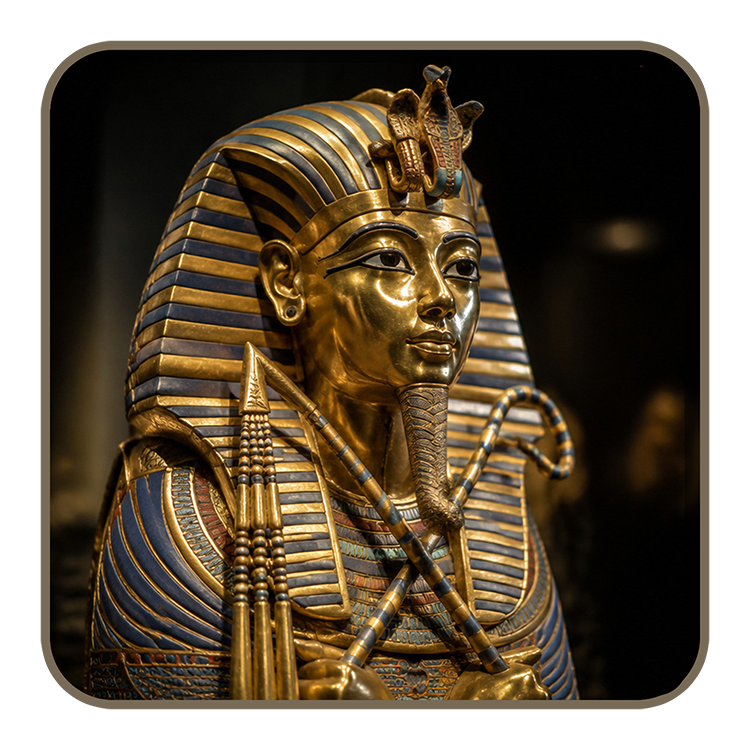
Powerful adults, including the official Ay and the general Horemheb, probably helped govern. Tutankhamun was king, but experienced advisers would have shaped many decisions. Objects from his reign show hunting, chariot riding and warfare. These were expected images of royal strength, so they do not prove that the young pharaoh personally led every action shown. His body reveals health problems, including a damaged foot, and walking sticks were buried with him. Researchers have suggested several causes for his early death, including malaria combined with other illness or injury, but there is no completely certain answer. Two tiny mummified foetuses found in his tomb are generally understood to have been his stillborn daughters. Tutankhamun was buried in tomb KV62 in the Valley of the Kings.
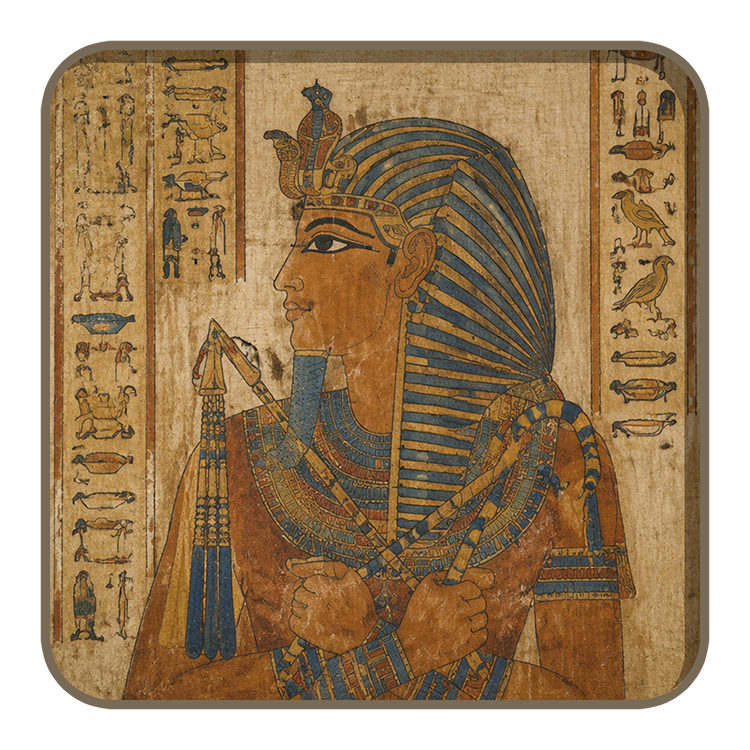
The tomb was small for a pharaoh, perhaps because his death came unexpectedly. Robbers entered it in ancient times, but officials resealed it and much of the burial equipment remained. In November 1922, Howard Carter's excavation team found steps leading down to the entrance. The work was funded by Lord Carnarvon. Carter carefully recorded and removed more than five thousand objects, including chariots, beds, statues, jewellery, food, clothing and the famous gold burial mask. Newspapers turned the discovery into a worldwide sensation. Stories about a deadly 'mummy's curse' grew after Carnarvon died in 1923, although many people who entered the tomb lived for decades.


Hi! I’m Jocelyn, and I created Mythfits Society to make discovering ancient myths easier, more interesting and much more fun.
Read My Story