The Gods
Welcome to the Egyptian gods!
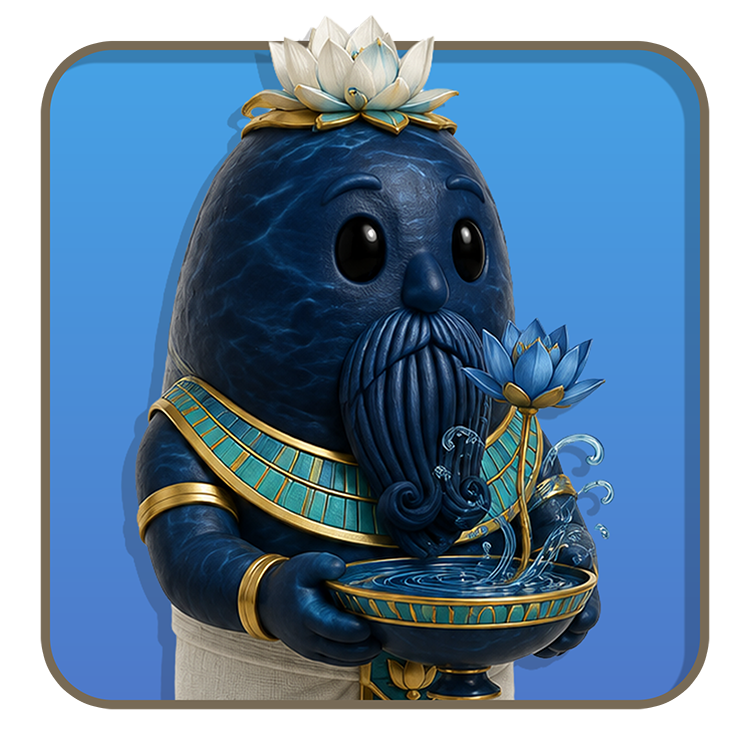
Nun
The Endless Primordial Waters
Nun was the endless dark water that existed before the world in ancient Egyptian creation stories. He was not a sea with beaches or boats. Instead, Nun represented the deep, limitless waters of chaos before land, sunlight and ordinary life appeared. Different Egyptian cities told creation differently, but the idea of a watery beginning was very important. In some traditions, the first mound of land rises from Nun and the creator god begins the world there. Nun could also be shown as a god in human form. I find the idea amazing because the Egyptians imagined the organised world emerging from an enormous, mysterious ocean.
Fun fact: Egyptians imagined the ordered world rising from Nun’s endless primeval waters.
Learn more about Nun
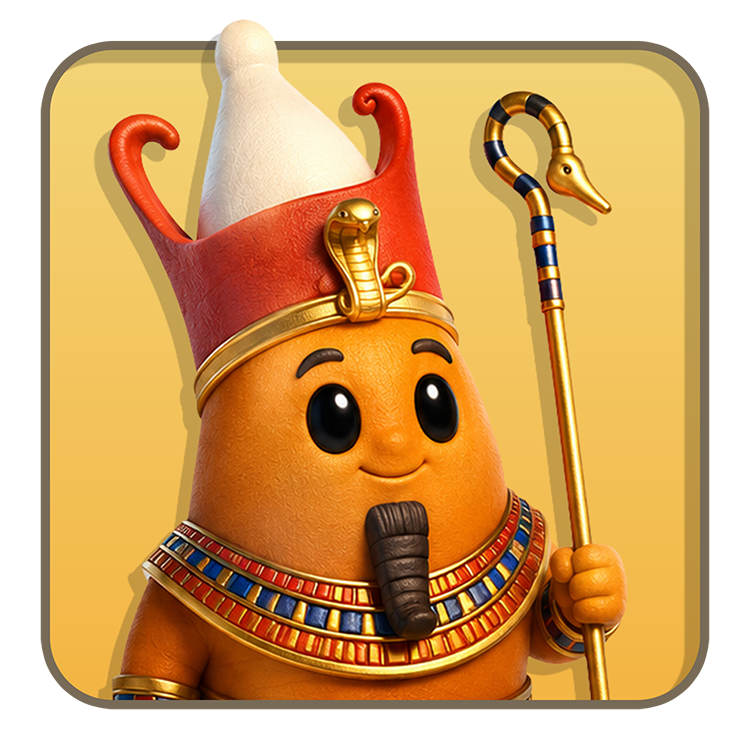
Atum
The First Creator God
Atum was an important Egyptian creator god, especially in the creation tradition of Heliopolis. Before the organised world existed, Atum emerged from the waters of Nun and began the family of gods. He produced Shu, god of air, and Tefnut, goddess of moisture. Their children were Geb, the earth, and Nut, the sky, and later generations included Osiris, Isis, Set and Nephthys. Atum was also connected with the setting sun and could be shown as a king wearing the double crown of Egypt. His stories helped Egyptians explain how a whole universe could grow from one first creator.
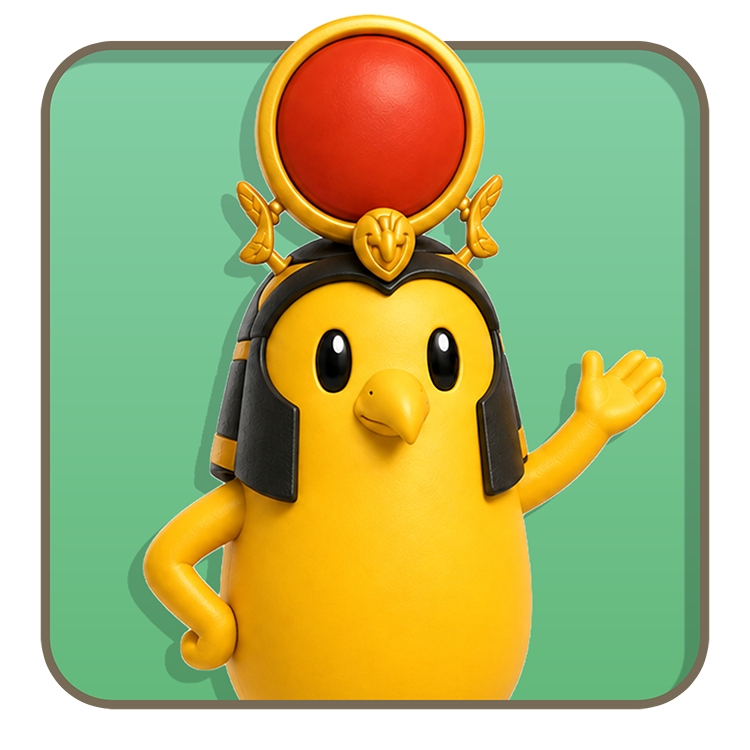
Ra
God of the Sun
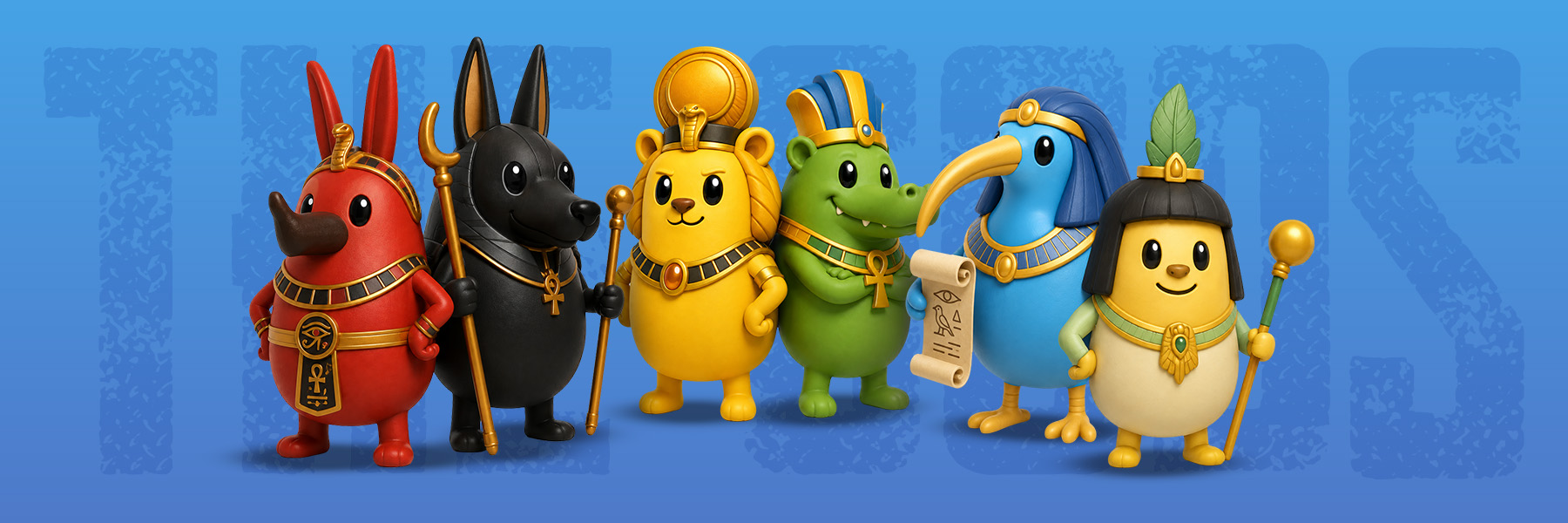
Ra was one of the most important gods in ancient Egypt and was closely connected with the Sun, kingship and life itself. Egyptians often showed him as a man with a falcon's head wearing a bright sun disc. Every day, Ra travelled across the sky in his solar boat, bringing light and warmth to the world. At night, things became much more dangerous because he had to travel through the dark underworld and battle the giant serpent Apep. If Ra succeeded, the Sun rose again the next morning. I love that the Egyptians turned every sunrise into proof that the gods had won another enormous adventure!
Fun fact: Ra had a daytime boat and a night-time boat. Apparently one magical sun boat was not enough!
Learn more about Ra
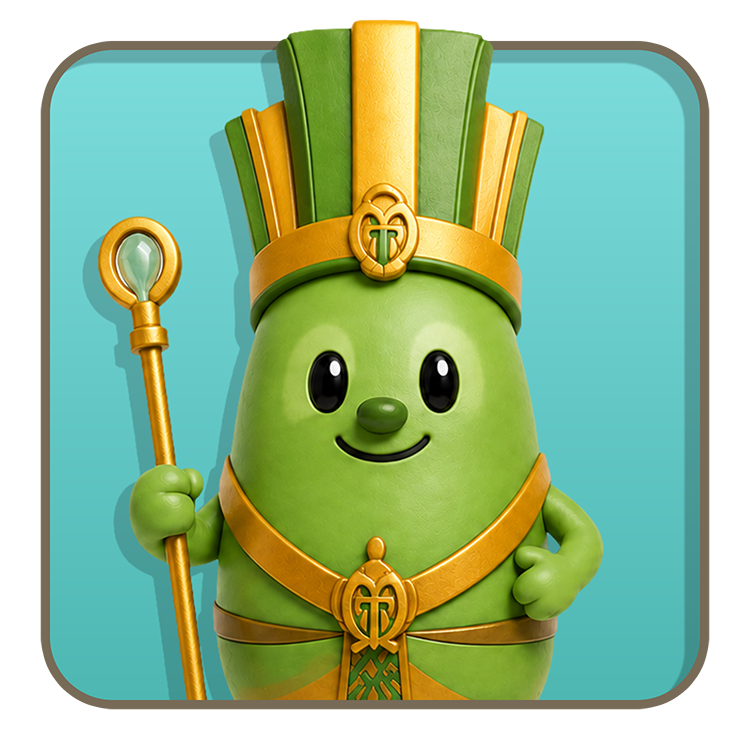
Osiris
Lord of the Afterlife
Osiris was the Egyptian god of the dead, rebirth and the afterlife. He was usually shown like a mummified king with green or black skin, holding a crook and flail. His story begins rather horribly when his brother Set murders him and scatters his body across Egypt. Luckily, Osiris's wife Isis refuses to give up. She finds him, uses magic and helps restore him. Osiris does not return to his old life, though. Instead, he becomes ruler of the world of the dead and helps judge people entering the afterlife. I think his story is surprisingly hopeful because even after everything goes wrong, Osiris gets a completely new beginning.
Fun fact: People grew seeds inside little Osiris-shaped figures. Imagine your god suddenly sprouting green shoots!
Learn more about Osiris
Isis
Goddess of Magic
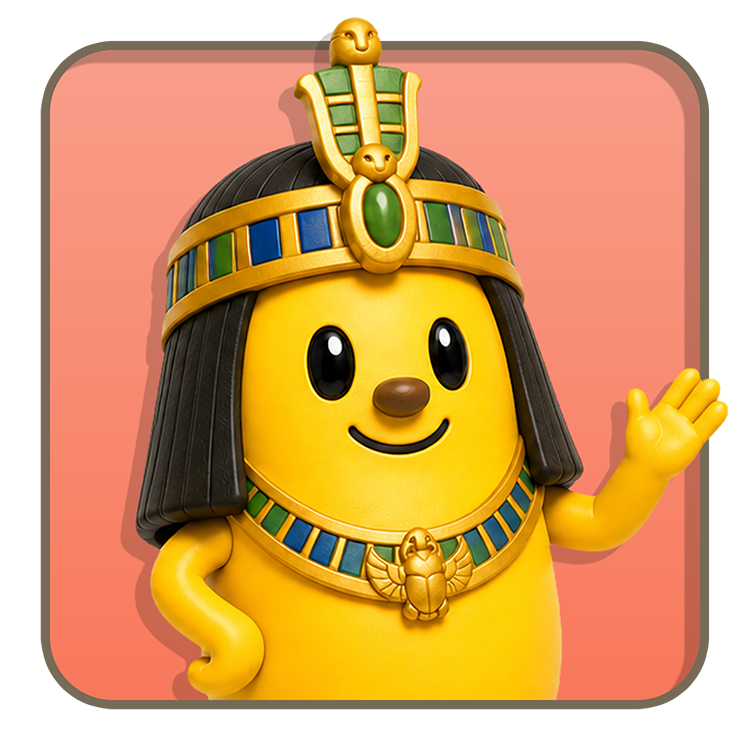
Isis was the Egyptian goddess of magic, motherhood, protection and healing. She was the wife of Osiris and mother of Horus, and she is one of the cleverest characters in Egyptian mythology. When Set murdered Osiris, Isis did not sit around waiting for another god to fix everything. She searched for him herself, used powerful magic and protected their son Horus while he grew up. She could heal dangerous bites, trick other gods and even learn Ra's secret name. I really like Isis because her greatest powers are not enormous weapons. She wins through determination, intelligence and refusing to give up on the people she loves.
Fun fact: Isis once tricked Ra into revealing his secret name. Even the Sun god could be outsmarted!
Learn more about Isis
Horus
God of the Sky
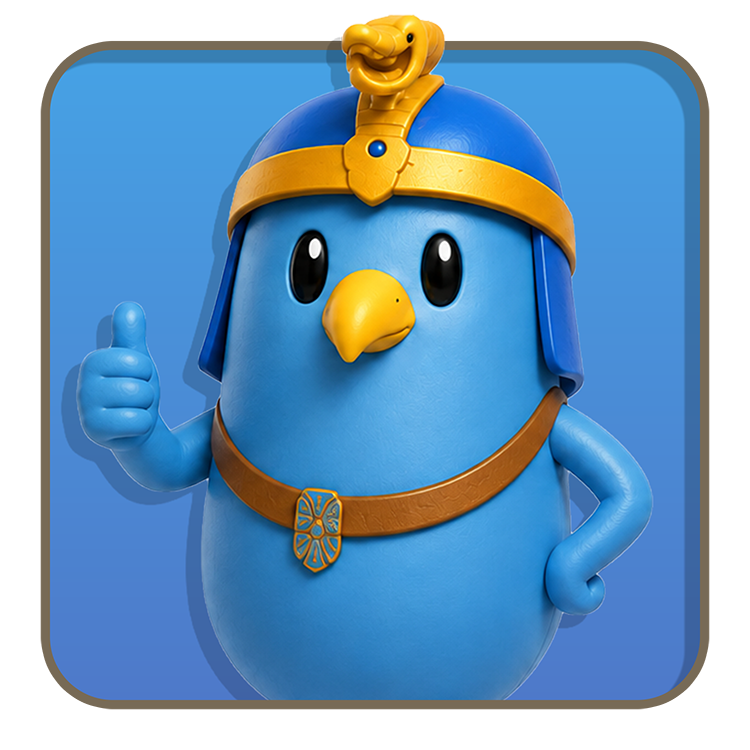
Horus was one of Egypt's most important gods and was usually shown as a falcon or a man with a falcon's head. He was the son of Isis and Osiris and was connected with the sky, protection and kingship. After Set murdered Osiris, Horus grew up to challenge his uncle for the throne. Their competition included battles, arguments and some very strange challenges! During the struggle, Horus lost an eye, but Thoth healed it. The Eye of Horus then became one of ancient Egypt's most famous symbols of protection. I think the falcon suits Horus perfectly because a bird soaring high above Egypt looks like it can see absolutely everything.
Fun fact: Horus and Set once raced in boats made to look like stone. Mythological arguments could get very weird!
Learn more about Horus
Set
God of Chaos
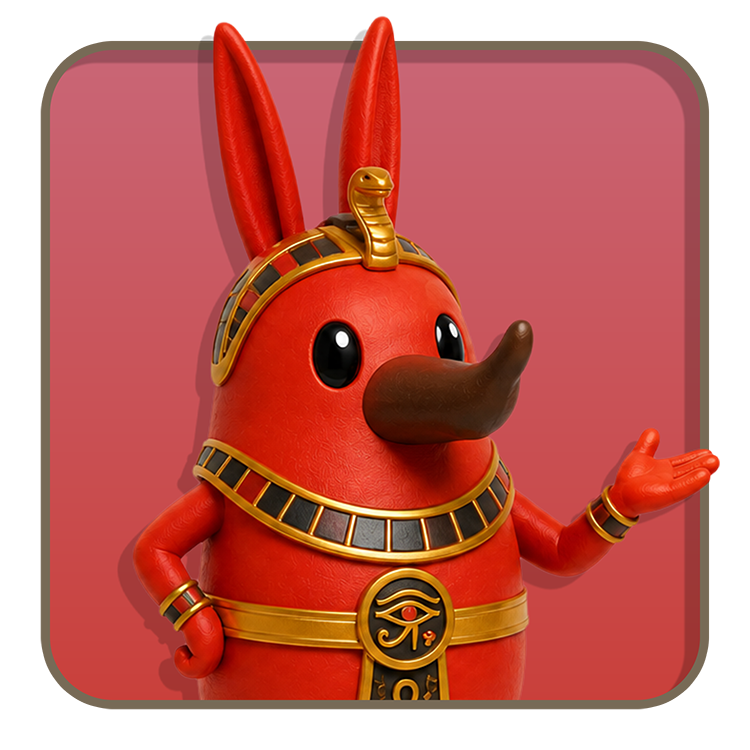
Set was the Egyptian god of deserts, storms, disorder and fierce strength. He had one of the strangest heads in Egyptian mythology, belonging to an animal that nobody can properly identify! It has tall square ears, a curved snout and a forked tail. Set is famous for murdering his brother Osiris and battling Horus, so he often gets treated as a simple villain. The real Egyptian stories are more interesting. Set could also stand on Ra's solar boat and fight the enormous serpent Apep, protecting the whole world from chaos. I like that he is complicated. His strength can cause terrible trouble, but in the right place it can also save everyone.
Fun fact: Nobody knows what Set's strange animal actually is. A donkey? Aardvark? Imaginary monster? The mystery continues!
Learn more about Set
Anubis
Guardian of the Dead
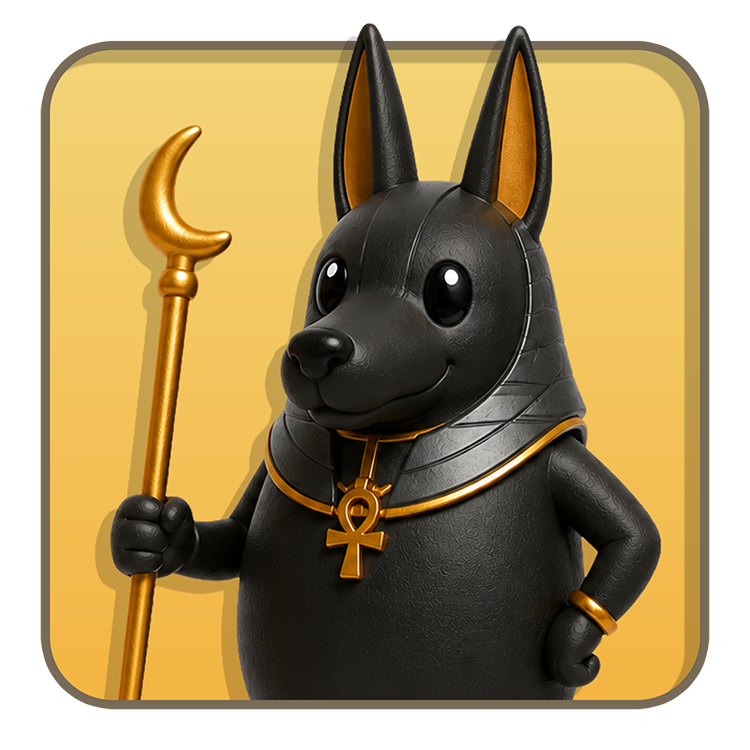
Anubis was the Egyptian god of embalming, cemeteries and guiding the dead safely towards the afterlife. He was usually shown as a black jackal or a man with a jackal's head. That might look spooky, but Anubis was actually a protector, not a villain. He watched over tombs, helped prepare mummies and checked the scales when a dead person's heart was weighed against the feather of Ma'at. His black colour was also linked with the rich soil of the Nile and the idea of new life. I think Anubis looks like somebody you would definitely want on your side if you had to travel through the Underworld!
Fun fact: Some priests may have worn jackal masks while carrying out ceremonies connected with Anubis!
Learn more about Anubis
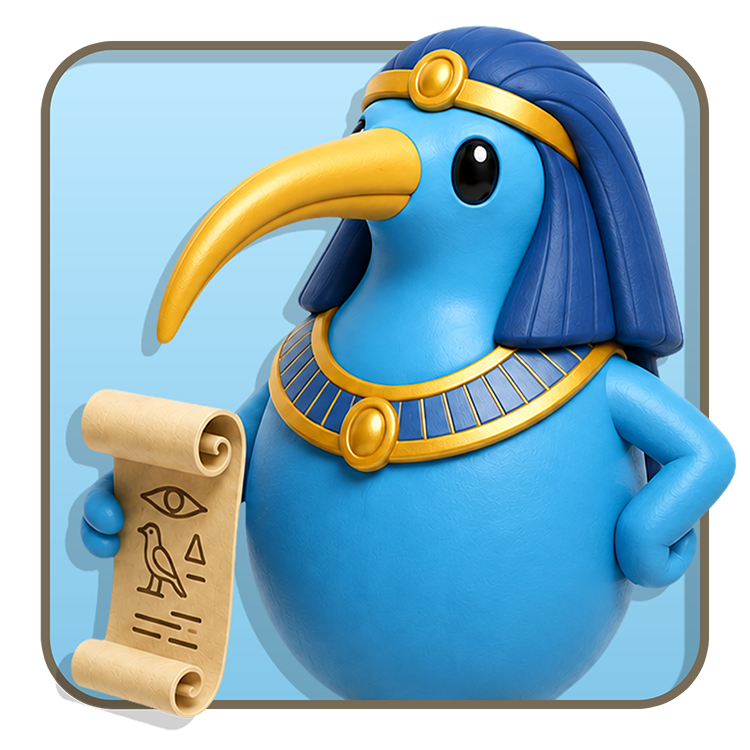
Thoth
God of Wisdom & Writing
Thoth was the Egyptian god of writing, knowledge, calculation, the Moon and wise judgement. He was usually shown as a man with the head of an ibis, a bird with an enormous curved beak, although he could also appear as a baboon. Scribes looked to Thoth as the master of writing, while the gods relied on him to record decisions and help settle arguments. He even helped repair Horus's damaged eye! I like Thoth because he proves that being clever can be every bit as powerful as being strong. While other gods are fighting, shouting or throwing things, Thoth is usually the one quietly working out what actually happened.
Fun fact: Thoth was sometimes shown as a baboon. Apparently the god of writing did not always need hands!
Learn more about Thoth
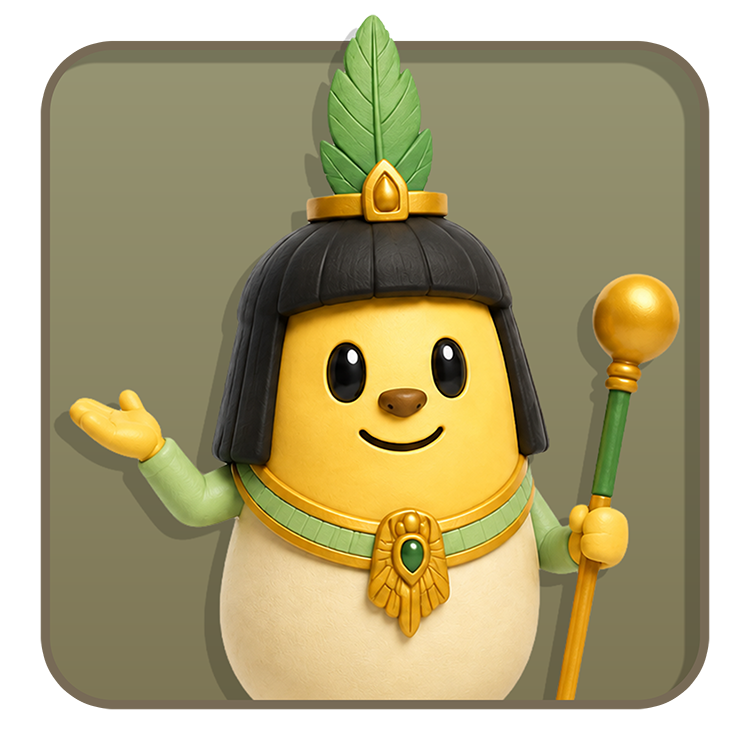
Ma'at
Goddess of Truth & Justice
Ma'at was both an Egyptian goddess and a huge idea about how the world should work. She represented truth, justice, balance and proper order. Egyptians believed everything depended on Ma'at, from fair behaviour between people to the Sun continuing its journey across the sky. She was shown as a woman with a single ostrich feather on her head, and that feather became extremely important in the afterlife. A dead person's heart was weighed against it to test whether they had lived properly. I really like Ma'at because she does not need a giant weapon. Her power is the idea that even kings and gods should help keep the world fair and balanced.
Fun fact: Ma'at's feather was used to test a person's heart. That must be the most stressful feather in history!
Learn more about Ma'at
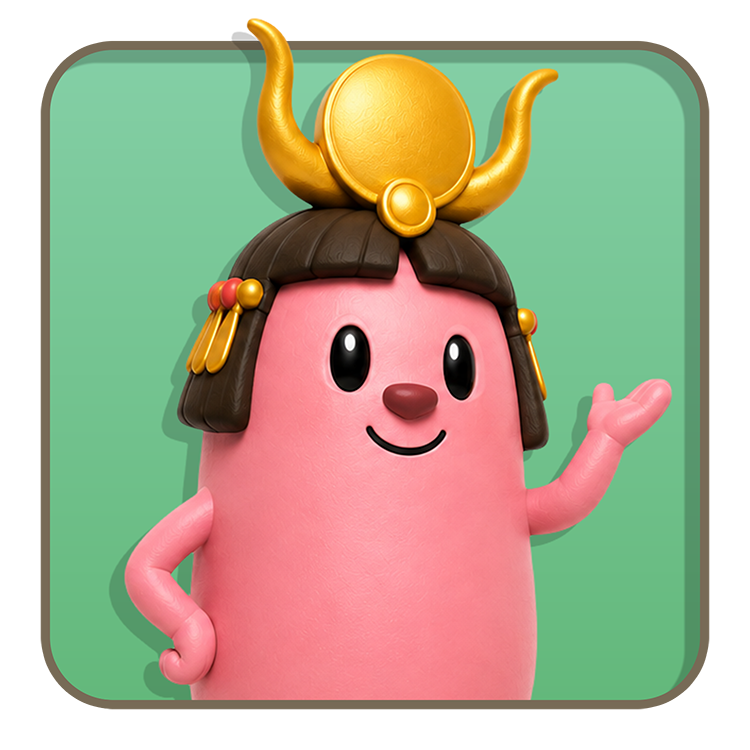
Hathor
Goddess of Love & Joy
Hathor was one of ancient Egypt’s most loved goddesses. She was connected with music, dance, joy, love, motherhood, the sky and care for the dead. Artists showed her as a woman with cow horns holding a sun disc, as a cow, or as a woman whose face has cow ears. Her name means ‘House of Horus’, suggesting the sky in which the falcon god lived. She could welcome celebration and protect families, but she also had a fierce side. I like that Hathor was never squeezed into one job. She could greet a newborn, inspire a song and welcome the dead into the west.
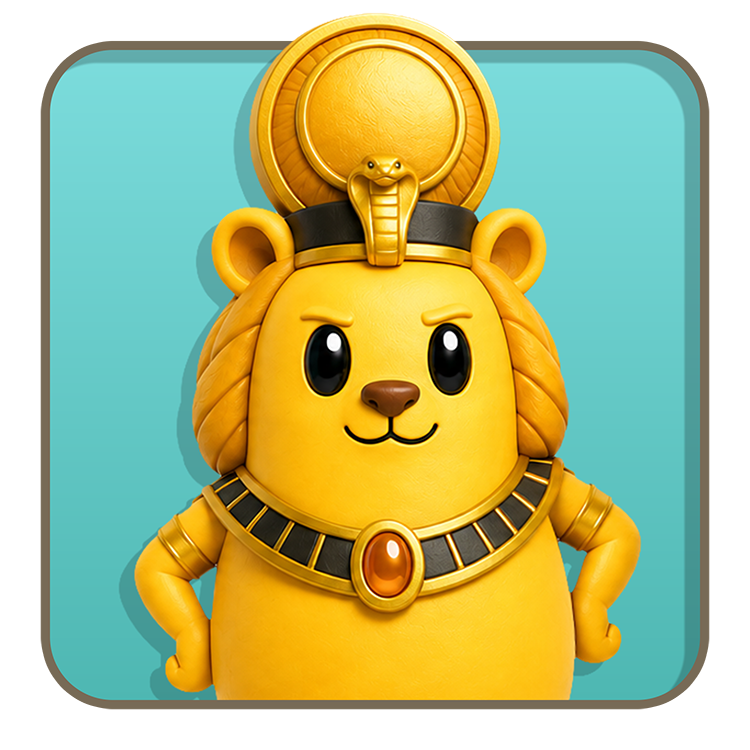
Sekhmet
Goddess of War & Healing
Sekhmet was the lioness-headed Egyptian goddess of war, fierce heat, disease and healing. Her name means 'the Powerful One', which is probably the least surprising name in mythology once you see her! She was connected with the burning power of the Sun and could be terrifying when angry. In one story, Ra sends her to punish humans, but she becomes so fierce that even he struggles to stop her. Amazingly, the solution involves enormous amounts of red-coloured beer. Sekhmet could also protect people and help heal illness. I like her because she shows that the same strength can be dangerous or protective depending on how it is controlled.
Fun fact: Ra stopped Sekhmet's rampage using red-coloured beer. Saving humanity apparently required a very unusual drinks order!
Learn more about Sekhmet
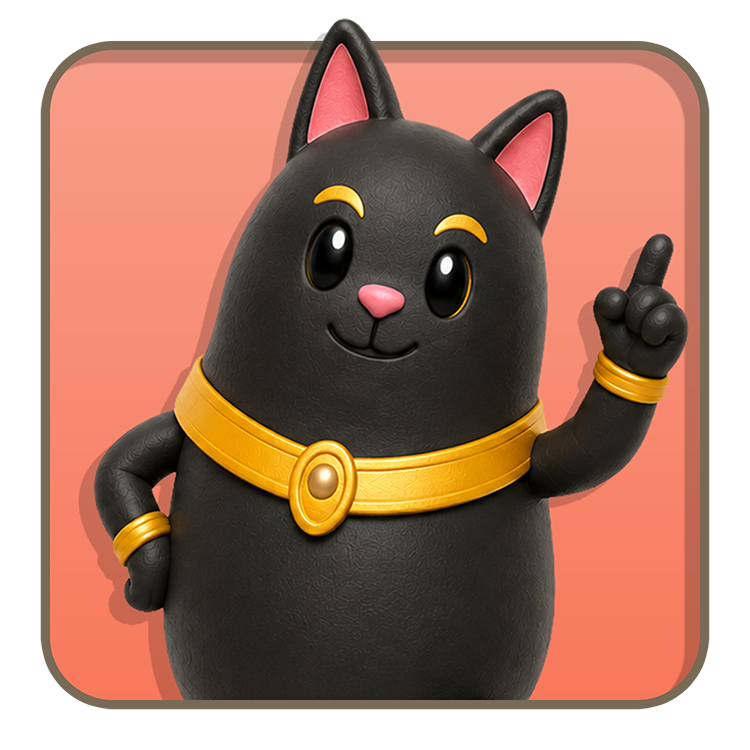
Bastet
Cat Goddess of Protection
Bastet was the Egyptian goddess of protection, home, childbirth, music and perfume. Today she is famous as the cat goddess, often shown as a woman with a cat's head or as a beautiful seated cat. Earlier in Egyptian history she could actually appear as a fierce lioness, so she was never quite as cuddly as modern pictures suggest! Cats were useful in Egyptian homes because they hunted mice and snakes, and Bastet became a watchful protector of families. Her huge festival at Bubastis included music and celebrations. I like Bastet because she feels exactly like a cat: calm and elegant most of the time, but definitely still equipped with claws.
Fun fact: Some sacred cats were mummified as offerings to Bastet. Ancient Egypt took cat appreciation very seriously!
Learn more about Bastet
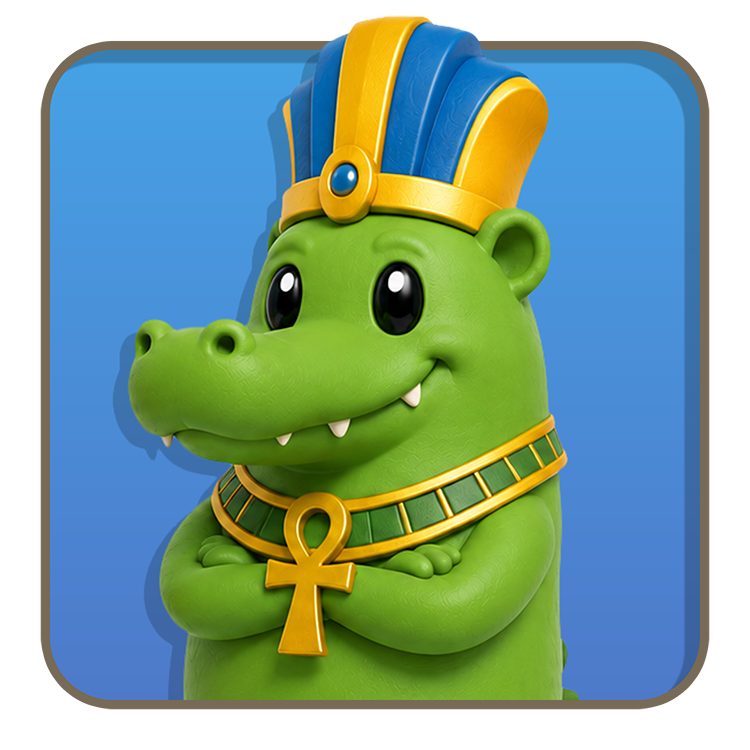
Sobek
Crocodile God of Power
Sobek was the Egyptian crocodile god of the Nile, fertility, protection, military strength and royal power. He appeared as a crocodile or a man with a crocodile’s head, sometimes wearing a sun disc, horns and feathers. Crocodiles were genuinely dangerous, so honouring Sobek was partly a way of respecting the river’s risks. Yet crocodiles also lived in the water that made farming possible. Sobek could threaten and protect, destroy and create. I like that Egyptians did not pretend nature was always gentle. They made room for a god with teeth.
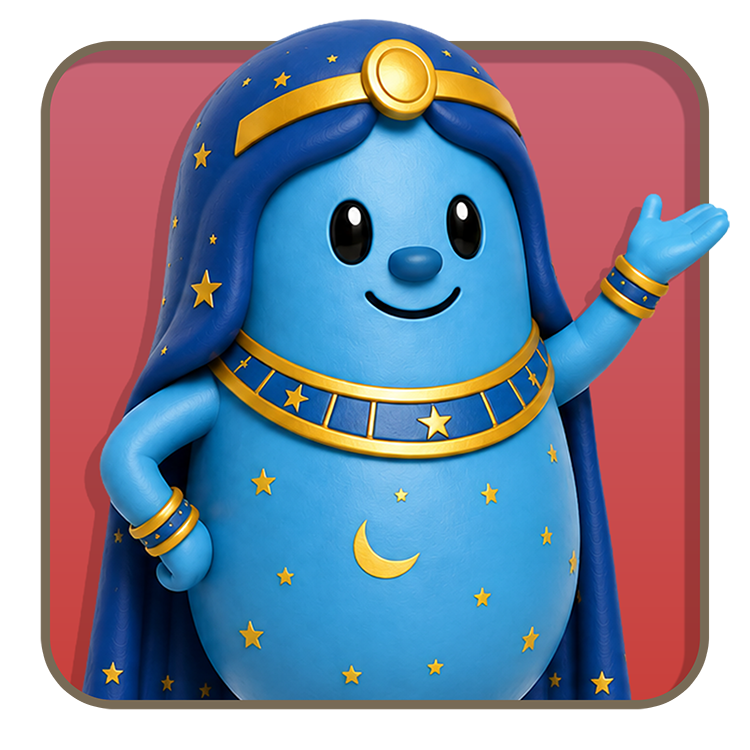
Nut
Goddess of the Sky
Nut was the Egyptian goddess of the sky. Artists often painted her as a woman covered in stars, arching over the earth with her fingers and toes touching the horizons. Her body formed the roof of the world. The earth god Geb lay below her, while Shu, god of air, held them apart. Nut swallowed the Sun each evening and gave birth to it again at dawn. She therefore connected the enormous night sky with protection and rebirth. I think few images in Egyptian art are more beautiful than a blue, starry goddess stretching across a coffin lid.
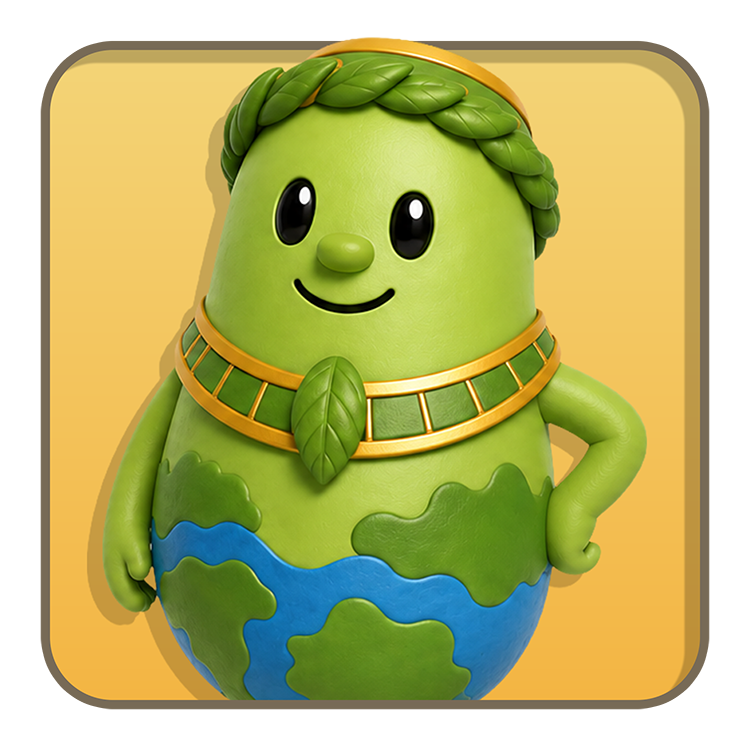
Geb
God the Earth
Geb was the Egyptian god of the earth. He was often shown as a man lying beneath the arched body of the sky goddess Nut, sometimes with plants growing from him. His laughter was said to cause earthquakes, and crops rose from his soil. Geb was not merely a patch of ground. He represented the whole living earth on which humans, animals and kings depended. He could support life, hold the dead and pass royal authority from one generation to the next. I picture him as the steady base underneath Egypt’s busiest divine family.
Nephthys
Guardian of the Dead
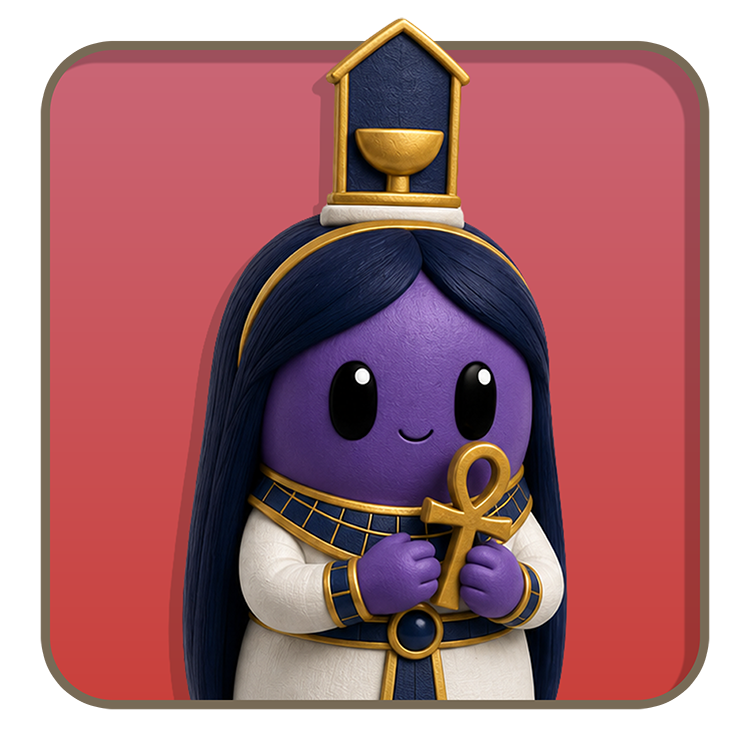
Nephthys was an Egyptian goddess connected with mourning, protection and the dead. She was the sister of Isis, Osiris and Set and was usually described as the daughter of Geb and Nut. In the story of Osiris, Nephthys helps Isis search for his body and protects him during the rituals that restore him. She was often shown beside coffins or with Isis, guarding the dead like a protective sister. Her name is linked with the idea of a temple or great house. Nephthys is quieter than some Egyptian gods, but she plays an important role whenever somebody needs protection, care or remembrance.
Shu
The God Holding Heaven
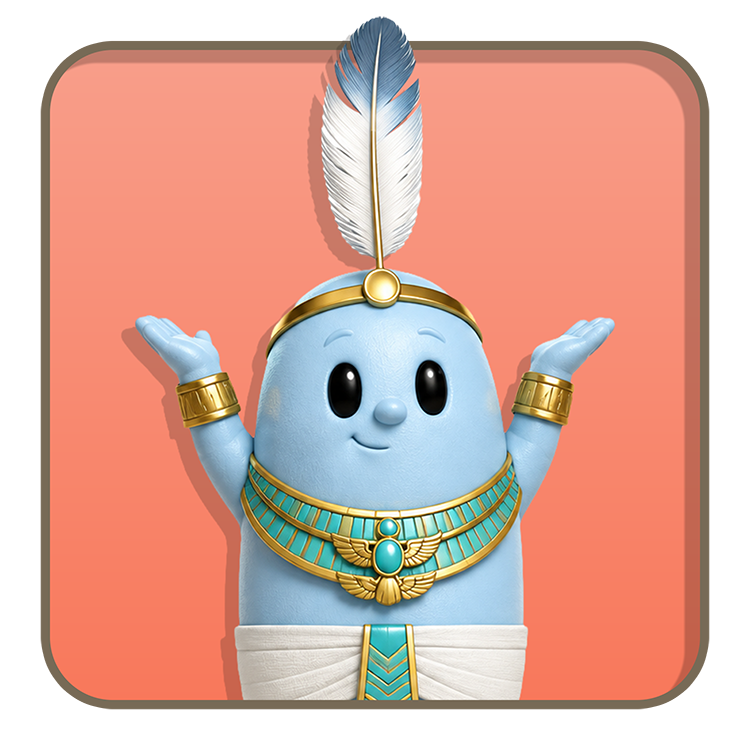
Shu was the Egyptian god of air and the space between earth and sky. He was one of the first gods created by Atum and the brother and partner of Tefnut. Their children were Geb, the earth, and Nut, the sky. In a famous Egyptian image, Shu stands between them and holds Nut high above Geb, creating the space where people and other living things can exist. Shu could be shown wearing an ostrich feather on his head. I like this myth because it turns something invisible - the air around us - into a god strong enough to hold the sky apart from the earth.
Tefnut
The Lioness of Moisture
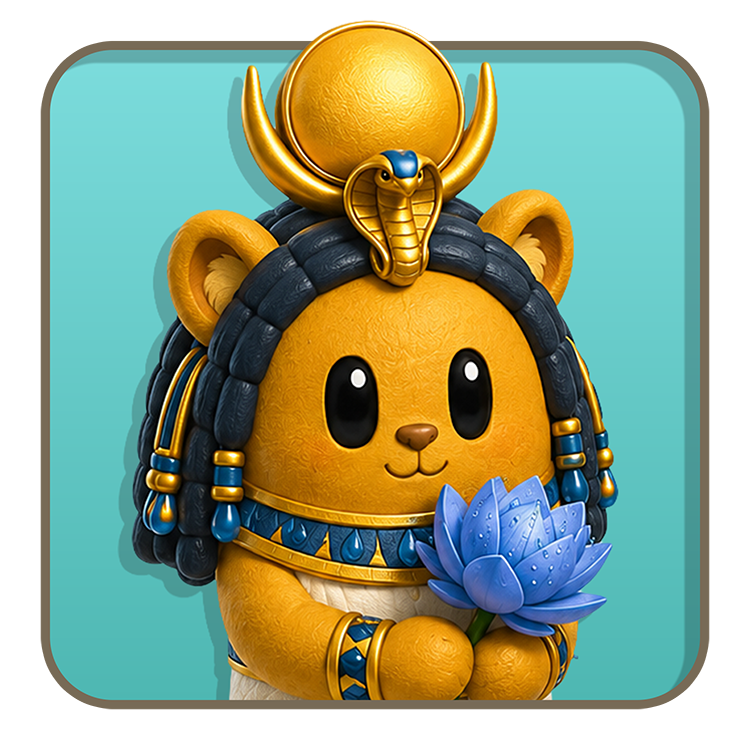
Tefnut was an Egyptian goddess of moisture and was closely connected with water, dew and the forces that kept the world alive. She was created by Atum and was the sister and partner of Shu, god of air. Their children were Geb, the earth, and Nut, the sky. Tefnut was often shown as a woman with the head of a lioness, sometimes wearing a sun disc. In some stories she becomes angry and leaves Egypt, causing problems until she is persuaded to return. Her return brings joy and balance. Tefnut shows how important water and moisture were in a hot, dry country.
Mahaf
Ferryman of the Afterlife
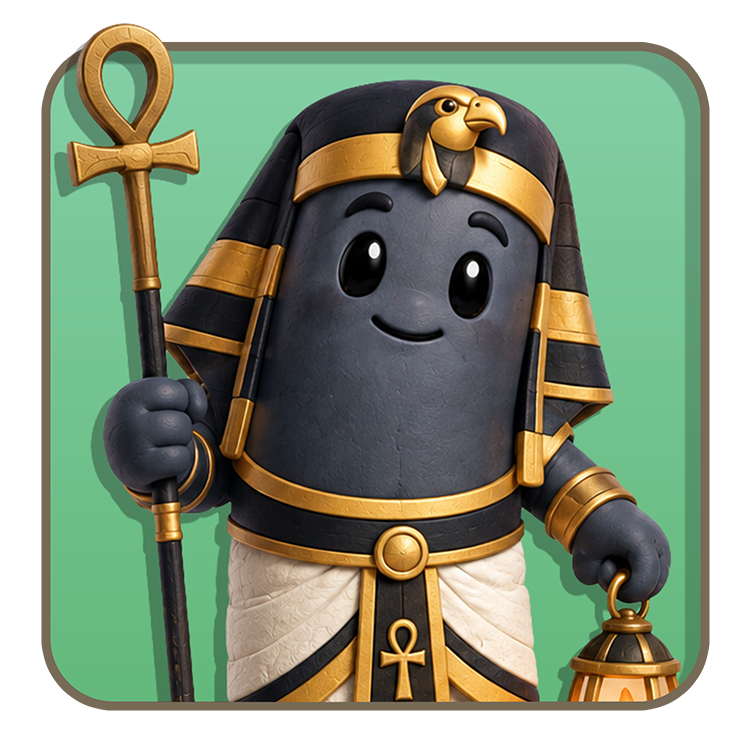
Mahaf was a divine ferryman mentioned in ancient Egyptian funerary texts. He helped carry the dead across the waterways of the sky and the underworld. These journeys were not simple boat trips. The traveller needed the correct spells, knew the names of the gods and had to prove that they deserved to continue. Mahaf was connected with Aken, another boatman who guarded the vessel used for the crossing. Mahaf is not as famous as Anubis or Osiris, but his job was extremely important. Without the ferryman and his boat, even a mighty pharaoh could struggle to reach the next world.
Fun fact: Mahaf appears in the Pyramid Texts, some of the oldest surviving religious writings from ancient Egypt.
Learn more about Mahaf
Learn More About the Egyptians...