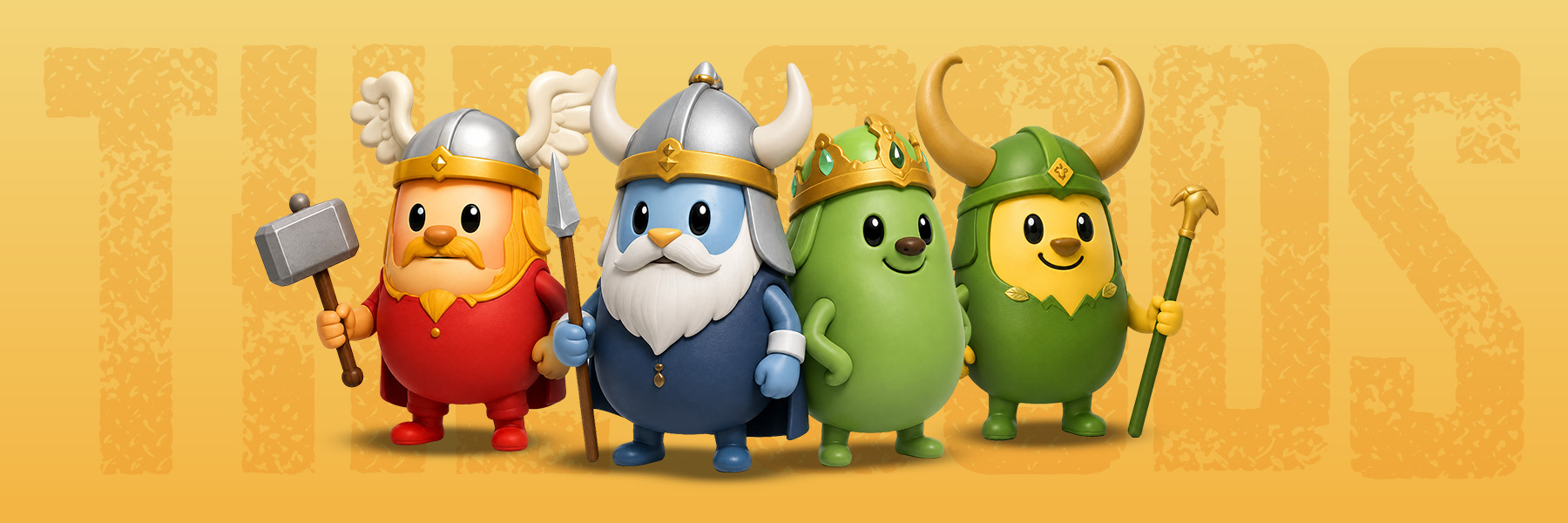
The Gods
Welcome to the Norse gods!
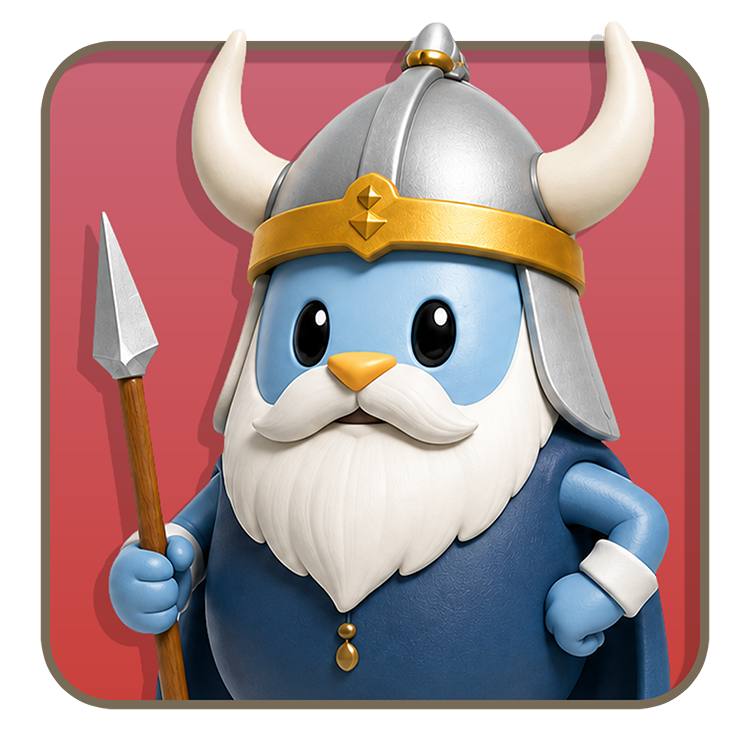
Odin
All-Father of the Gods
Odin is one of the most important and complicated gods in Norse mythology. He is linked with wisdom, poetry, magic, war, kingship and the dead. He rules from Asgard, owns the spear Gungnir and sends his ravens Huginn and Muninn across the world for news. Yet he is not a comfortable, all-knowing grandfather. Odin is restless and secretive, always searching for more knowledge even when the price is painful. I think that hunger to understand everything is what makes him so fascinating and dangerous.
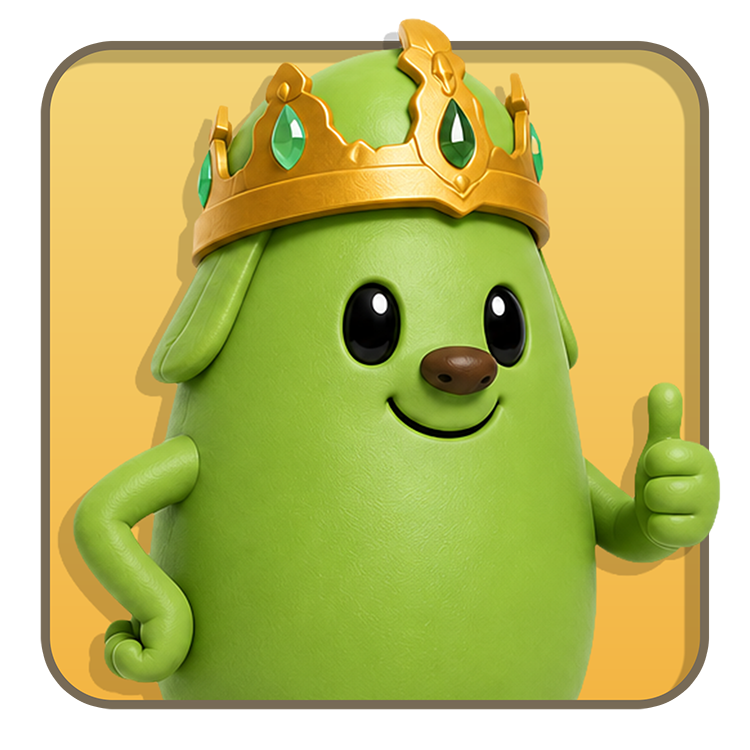
Frigg
Queen of Asgard
Frigg is the leading goddess of the Aesir and the wife of Odin. She is connected with marriage, motherhood, royal households and knowledge of fate. Her home is Fensalir, a name that means something like “marsh halls”. Frigg knows what is going to happen, according to the poem Lokasenna, but she does not reveal every future event. Her most famous story concerns her beloved son Baldr. I think Frigg is moving because her wisdom does not protect her from grief, yet she still acts with determination.
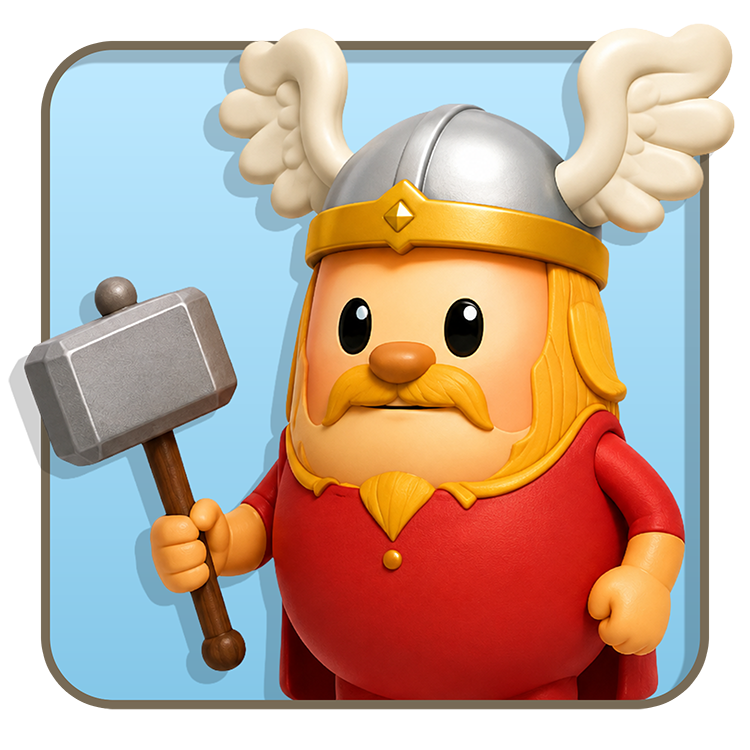
Thor
God of Thunder
Thor is the thunder god, defender of gods and humans, and one of the most popular figures in Norse mythology. He is enormously strong, quick-tempered and usually ready to confront a giant. His hammer Mjolnir returns after being thrown and makes thunder crash across the sky. Thor also owns iron gloves and a belt that doubles his strength. I like him because he is direct and energetic, yet his stories are not just a series of easy victories. He is tricked, challenged and sometimes made to look very silly.
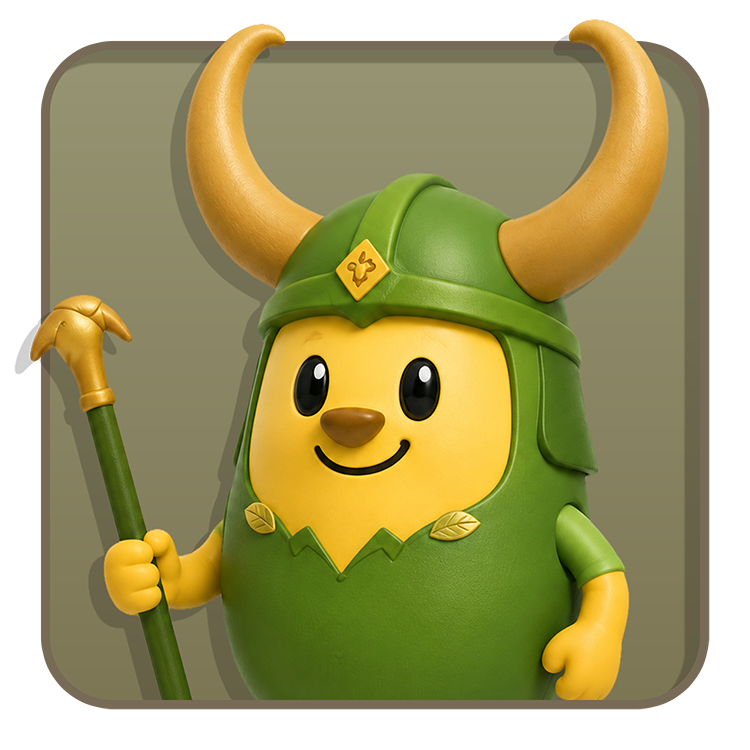
Loki
The Trickster
Loki is the clever, unpredictable figure who causes and solves some of the biggest problems in Norse mythology. He travels with the gods and is Odin’s blood brother in the poem Lokasenna, but his parents Farbauti and Laufey are associated with the jötnar. Loki changes shape, crosses boundaries and wins treasures through quick thinking. Over time, his tricks become crueler until he helps bring about Baldr’s death and fights against the gods at Ragnarok. I never know whether to laugh at Loki or worry about what he will do next.
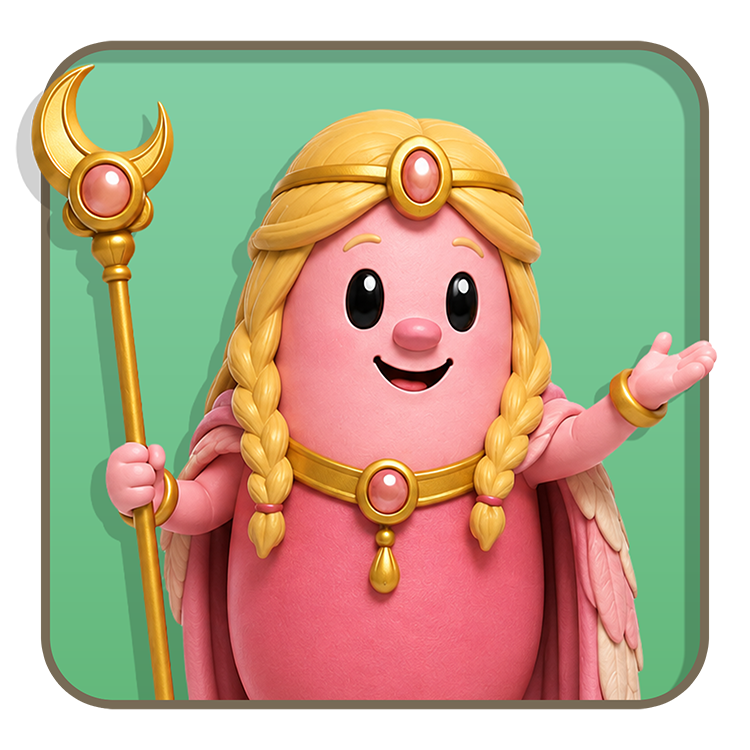
Freyja
Goddess of Love & Magic
Freyja is a powerful goddess of love, desire, fertility, magic, wealth and the honoured dead. She belongs to the Vanir family and comes to live among the Aesir after conflict between the two groups of gods. Her brother is Freyr and their father is Njord. Freyja travels in a chariot pulled by cats, owns a falcon-feather garment and wears the famous necklace Brisingamen. I think she is brilliant because beauty is only one part of her power. She is also a teacher of magic and a chooser of warriors.
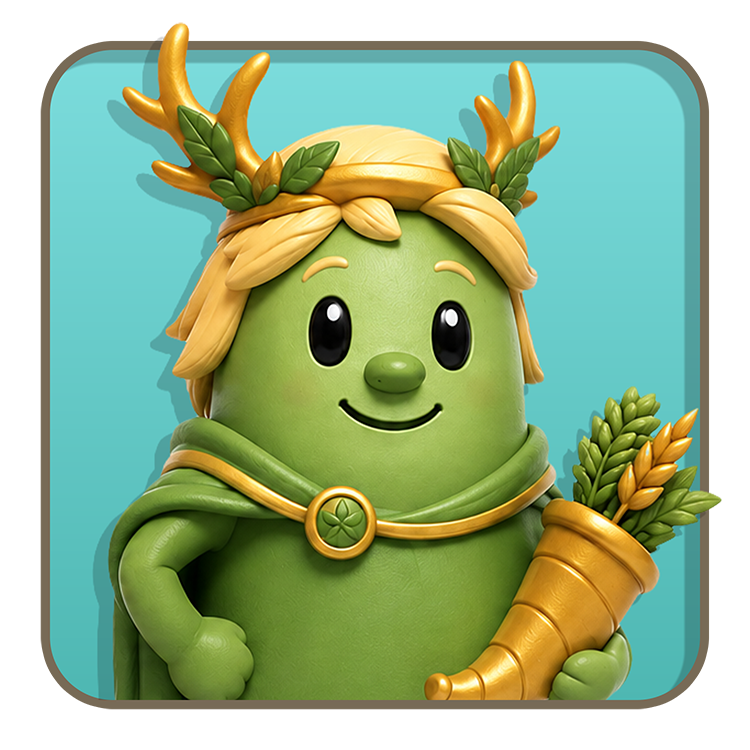
Freyr
TGod of Peace & Plenty
Freyr is a Vanir god associated with peace, prosperity, good harvests, sunshine and fertile land. He is the son of Njord and brother of Freyja, and he becomes one of the most honoured gods living among the Aesir. Freyr owns a ship that can fold small enough to fit into a pouch and a golden boar whose bristles shine through darkness. He is generous and life-giving, but one decision costs him the sword he will desperately need at Ragnarok. I find that mixture of abundance and approaching danger especially memorable.
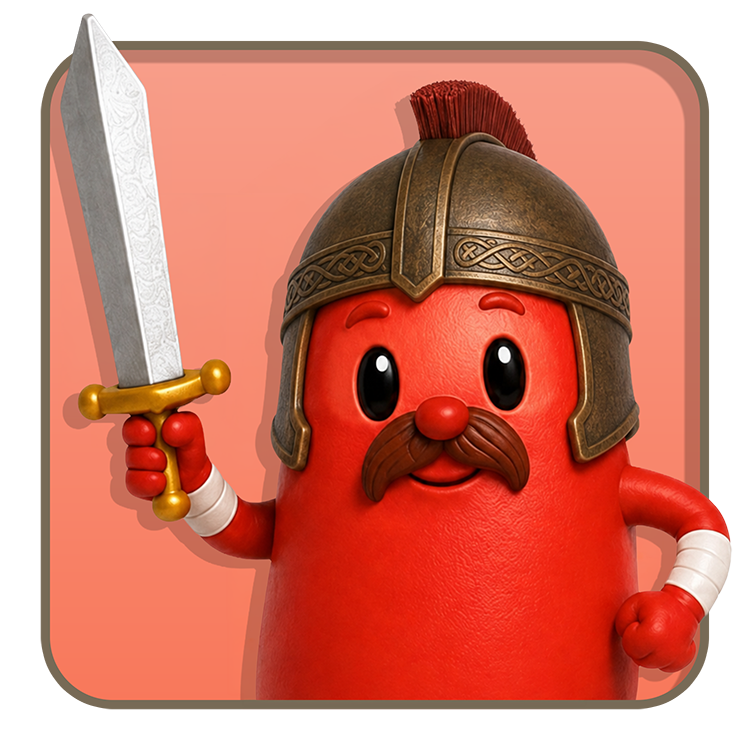
Týr
God of War & Justice
Tyr is the courageous Norse god who sacrifices his hand so the gods can bind the wolf Fenrir. He is associated with battle, law, oaths and brave action, although the surviving myths tell far less about him than about Thor or Odin. Tyr knows exactly what Fenrir will do when the trick is discovered, yet he places his hand in the wolf’s mouth anyway. I think this is one of the clearest acts of courage in Norse mythology because bravery means accepting a real loss, not believing you are impossible to hurt.
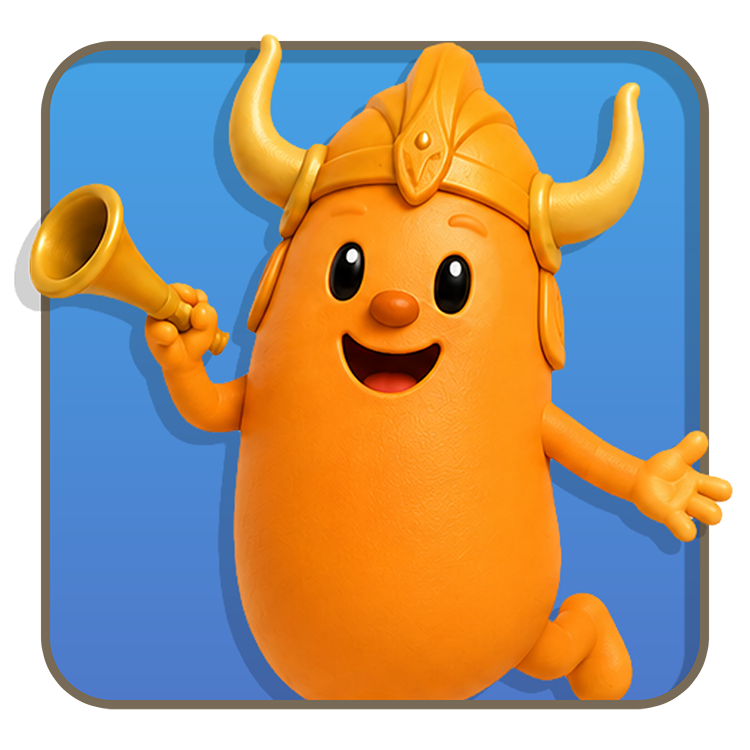
Heimdall
Guardian of Bifrost
Heimdall is the watchman of the Norse gods, stationed near Bifrost, the shining bridge between worlds. His hearing is so sharp that he can hear grass growing and wool growing on sheep. He sees by night as well as by day and needs less sleep than a bird. When danger finally comes at Ragnarok, he blows the horn Gjallarhorn to warn the gods. I like Heimdall because guarding a world is mostly about patience and attention, not showing off with a weapon.
Baldr
God of Light & Beauty
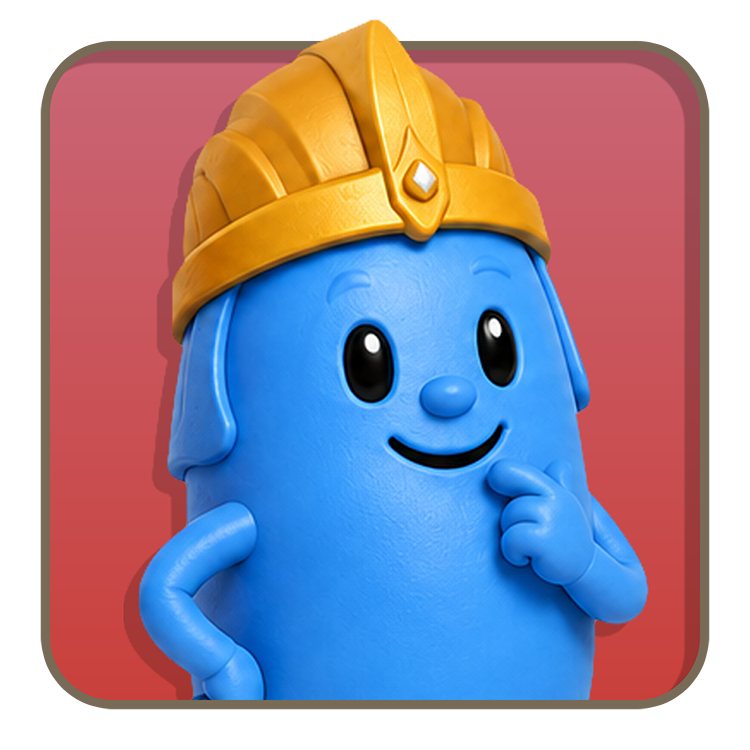
Baldr is the beloved son of Odin and Frigg whose death becomes one of the greatest tragedies in Norse mythology. He is described as beautiful, wise and so bright that light seems to shine from him. His hall is Breidablik, a place where nothing unclean can exist. Yet frightening dreams warn that Baldr is going to die, and the gods’ attempt to make him safe accidentally creates the exact weakness Loki needs. I think his story is powerful because everybody knows disaster is coming but hope survives until one tiny piece of mistletoe changes everything.
Höðr
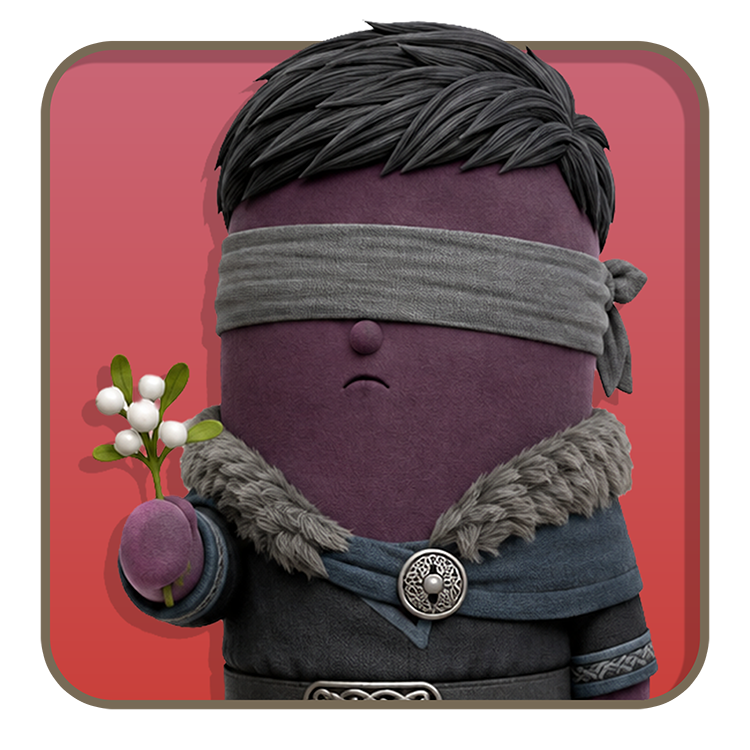
The Blind God’s Tragedy
Thor is the thunder god, defender of gods and humans, and one of the most popular figures in Norse mythology. He is enormously strong, quick-tempered and usually ready to confront a giant. His hammer Mjolnir returns after being thrown and makes thunder crash across the sky. Thor also owns iron gloves and a belt that doubles his strength. I like him because he is direct and energetic, yet his stories are not just a series of easy victories. He is tricked, challenged and sometimes made to look very silly.
Njörðr
God of Sea Voyages
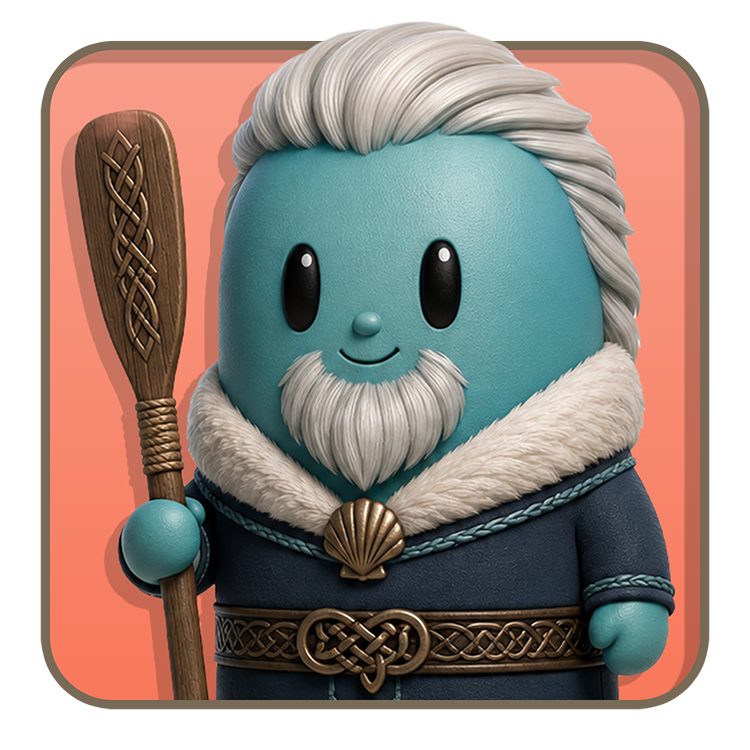
Njörðr was the Norse god of the sea, sailing, fishing and wealth. He lived at Nóatún, a name meaning “ship-enclosure”, which sounds like the perfect home for a sea god! Sailors and fishermen could look to Njörðr for calm waters, good winds and successful journeys. He was the father of the twins Freyr and Freyja. Njörðr also married the mountain goddess Skaði, but there was one enormous problem. She loved snowy mountains, while he loved the noisy seaside. Neither enjoyed living in the other’s home, so the marriage did not work out. Even Norse gods sometimes discovered they were better apart!
Hel
Queen of the Underworld
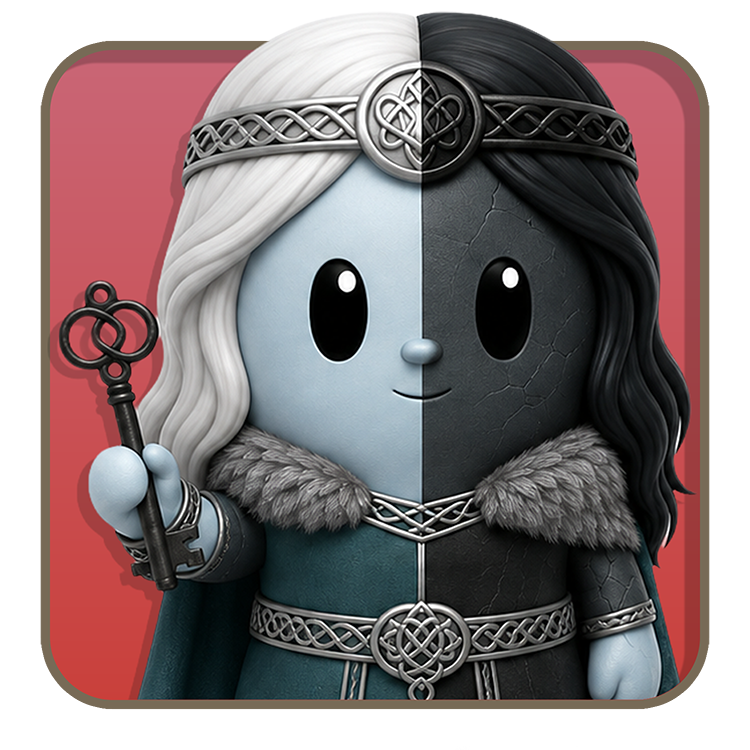
Hel is the ruler of the realm where many people who die from illness or old age go in Norse mythology. Confusingly, her home is also called Hel, so the same word can mean the person and the place. She is the daughter of Loki and the jötunn Angrboda, and her siblings are Fenrir and Jormungandr. Snorri describes one side of her body as living-coloured and the other as dark or corpse-like. I think Hel is unsettling because she is calm and organised rather than a roaring monster.
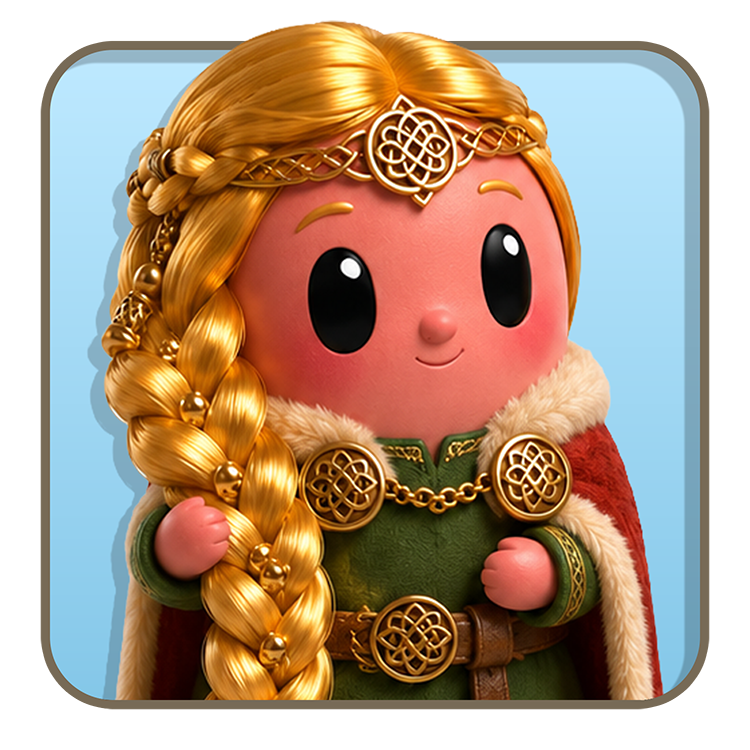
Sif
Goddess of Golden Hair
Sif is a Norse goddess best known for her wonderful golden hair and her marriage to Thor. One of the funniest and most important treasure stories begins when Loki secretly cuts off all of it. Thor is furious, and Loki must persuade dwarfs to make new hair from real gold. Their work leads to the creation of Mjolnir and several other divine treasures. I like Sif’s story because something cruel and personal starts a chain of events that gives the gods their most famous objects.
Learn More About Norse Mythology...
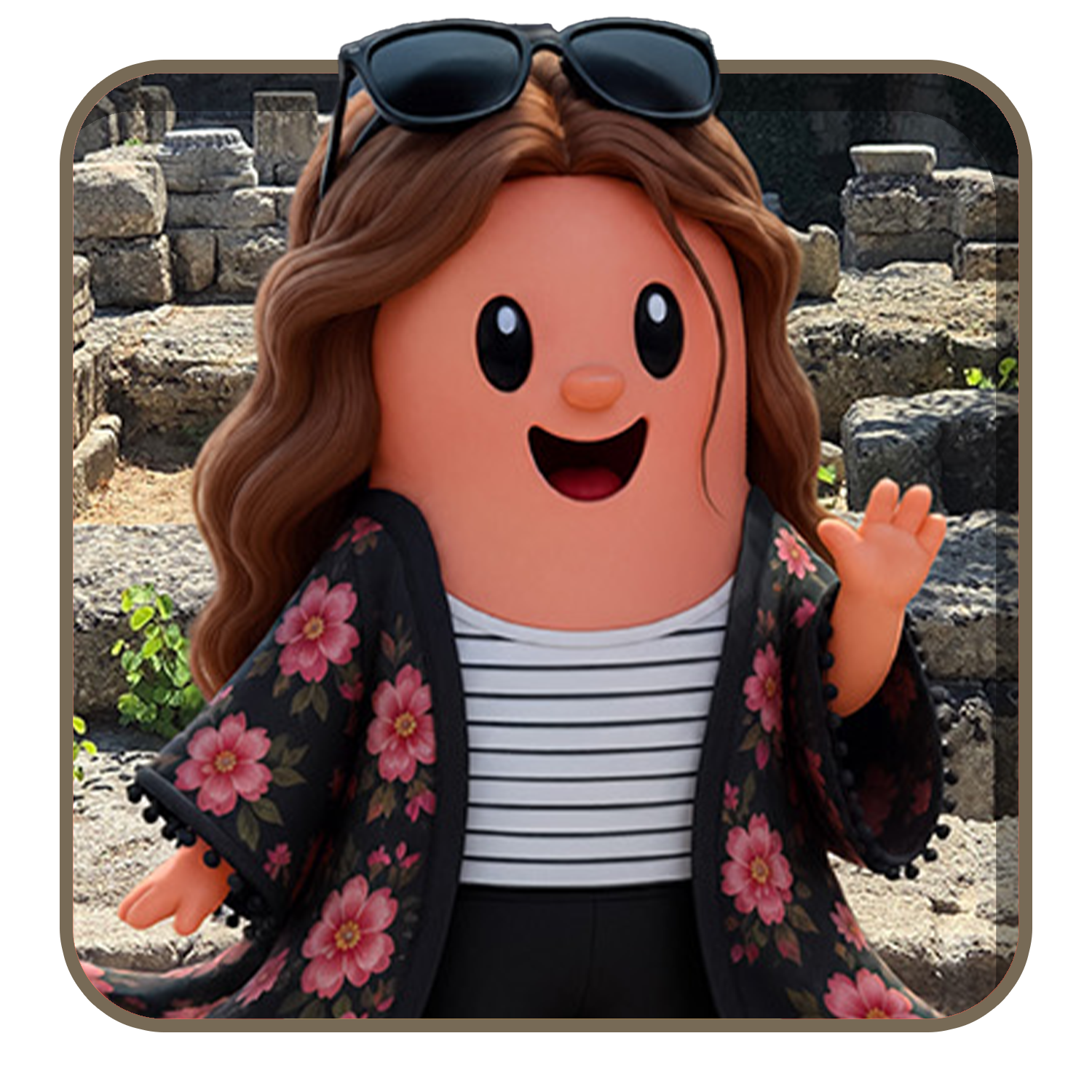
Meet Jocelyn
The curious mind behind Mythfits Society
Hi! I’m Jocelyn, and I created Mythfits Society to make discovering ancient myths easier, more interesting and much more fun.
Read My Story