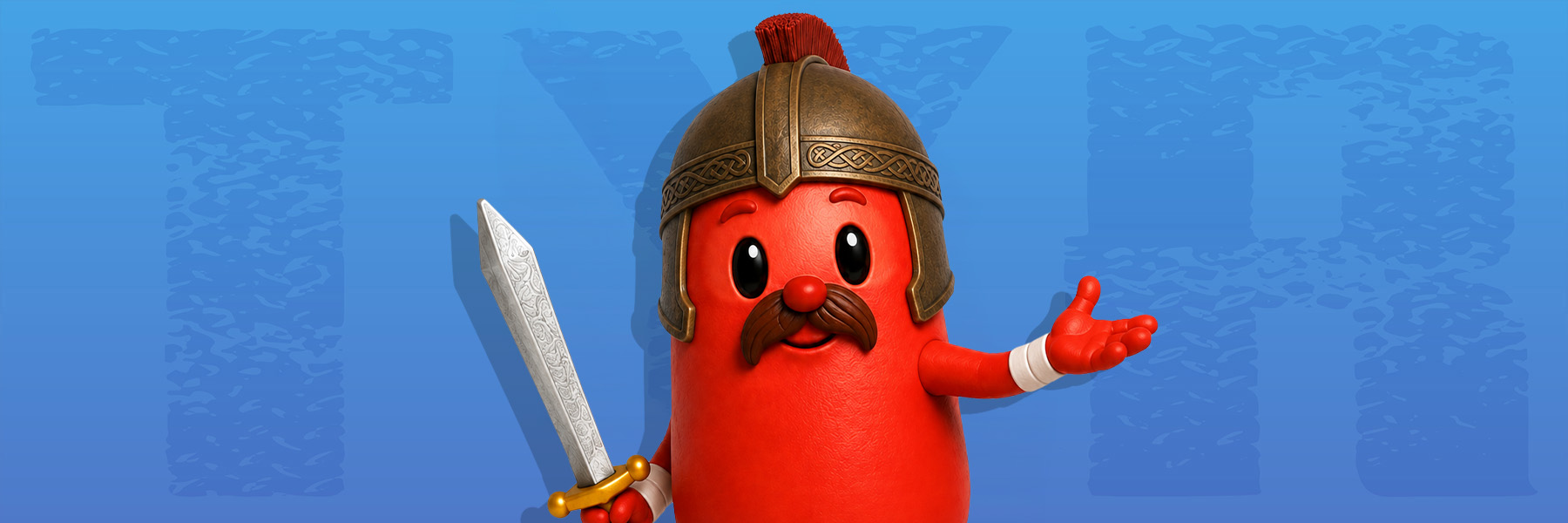
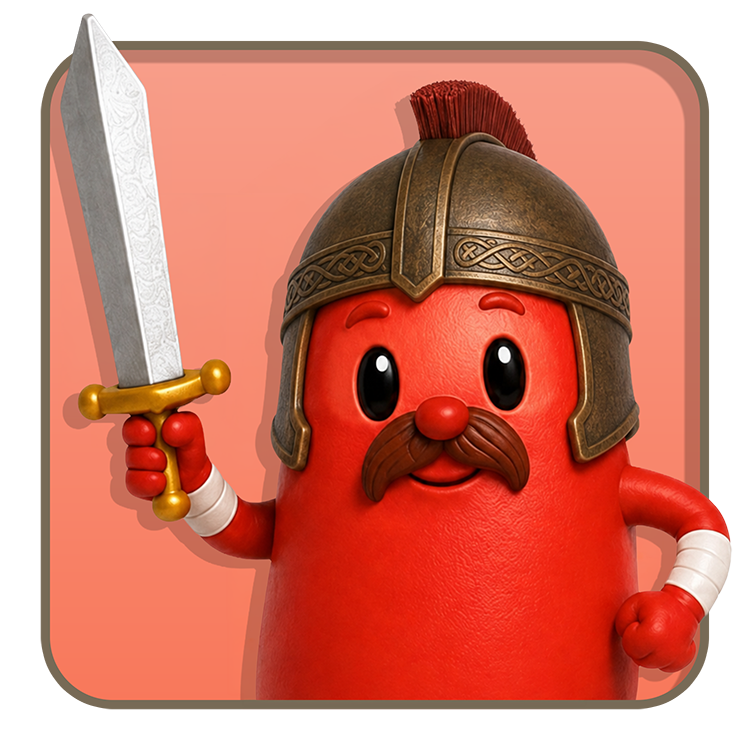
Tyr’s name comes from an ancient Germanic word for a god and is related to the name Zeus at a much earlier language level. The Roman weekday associated with Mars was matched with the Germanic Tiw or Tyr, giving English the name Tuesday. This long history suggests Tyr was once extremely important, even though later Norse sources place Odin at the head of the gods. His parentage varies. In Snorri’s Prose Edda, Tyr is called a son of Odin. In the poem Hymiskvida, the giant Hymir appears to be his father. These accounts cannot simply be blended into one family tree without a note. Variation is normal in oral traditions written down in different poems and periods. Fenrir is one of Loki’s monstrous children.
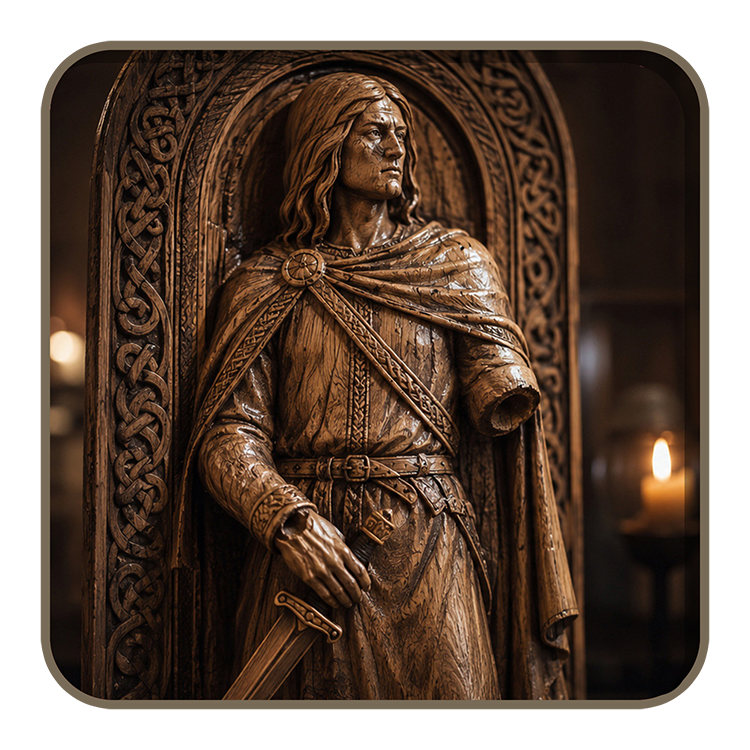
The gods raise the wolf in Asgard, but he grows so quickly that only Tyr dares to feed him. Prophecy warns that Fenrir will cause disaster. The gods test two heavy chains, but he snaps both. Dwarfs then make Gleipnir, a ribbon-like bond from impossible ingredients such as a cat’s footfall, a woman’s beard, a fish’s breath and a bird’s spit. Fenrir suspects a trick and agrees to test Gleipnir only if a god puts a hand in his mouth as a pledge of honesty. The gods know they do not intend to release him. Tyr places his right hand between the jaws. When Fenrir discovers he cannot escape, he bites it off. Everyone laughs except Tyr. The scene protects the world for a time but carries moral discomfort because the gods break their promise.
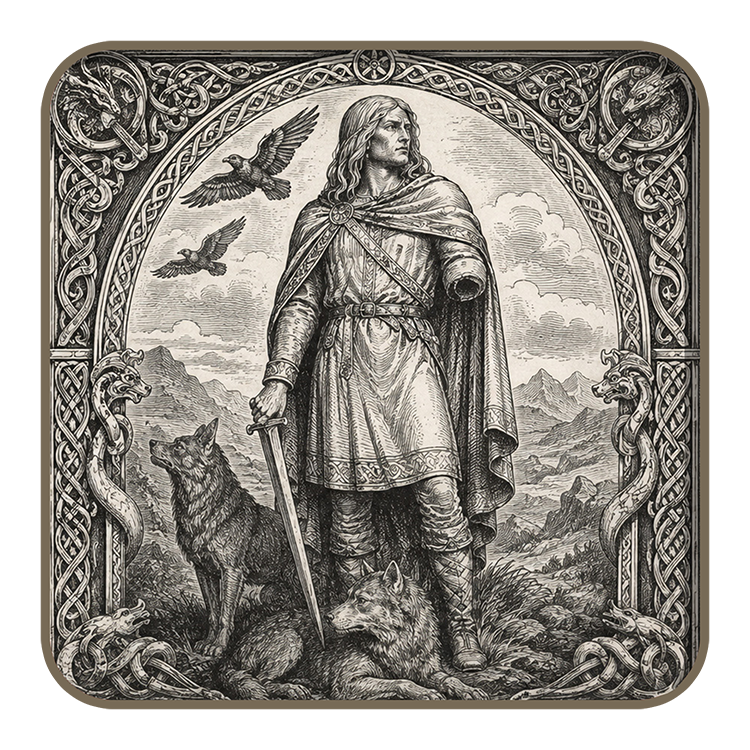
Tyr pays personally for their decision. In Hymiskvida, Tyr travels with Thor to obtain an enormous cauldron for the gods’ feasts. The poem gives Thor most of the spectacular action, including the fishing encounter with Jormungandr, but Tyr helps guide the journey to Hymir’s hall. It shows him as a companion with giant-family connections rather than only the one-handed figure beside Fenrir. At Ragnarok, Tyr fights the hound Garm, who breaks free from the cave Gnipahellir. They kill each other. Some modern retellings merge Garm with Fenrir because both are terrible canine creatures, but the sources can name them separately and give them different opponents.

Hi! I’m Jocelyn, and I created Mythfits Society to make discovering ancient myths easier, more interesting and much more fun.
Read My Story