Epic Stories
Norse tales mix bravery, jokes, disguises and the worrying knowledge that fate cannot always be escaped.
Sigurd and the Dragon Fafnir
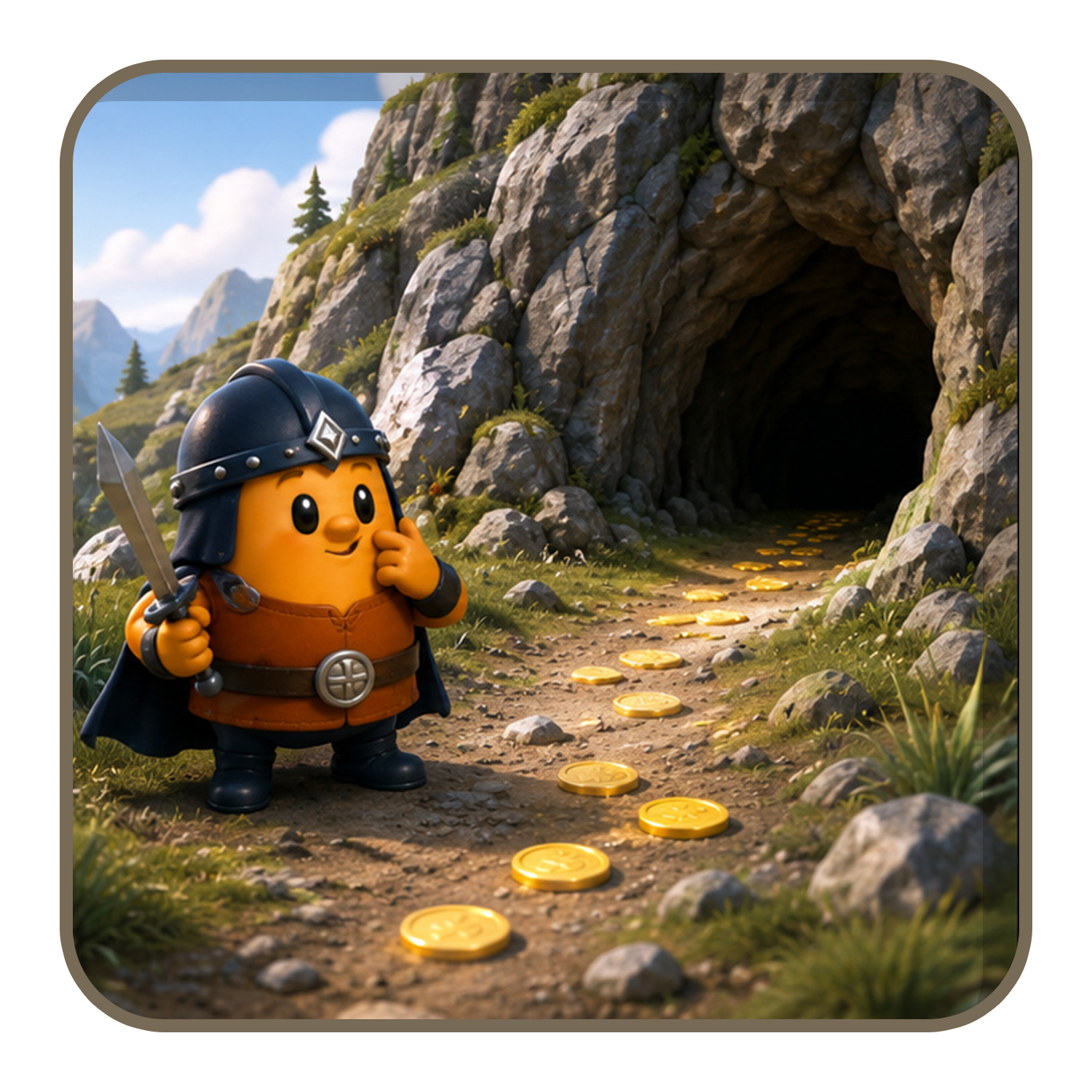
Sigurd’s fight with Fafnir is one of northern Europe’s greatest dragon stories. A young hero hides in a pit, stabs upwards with the sword Gram and kills a serpent guarding cursed gold. Yet the tale is about more than bravery. Fafnir was once a man, the treasure has already caused murder, and Sigurd is warned that taking it will bring disaster. I think the most important moment comes after the battle, when tasting dragon blood lets Sigurd understand birds and discover another betrayal.
Fun fact: Tasting dragon blood lets Sigurd understand the warnings of birds.
Read the Full Story
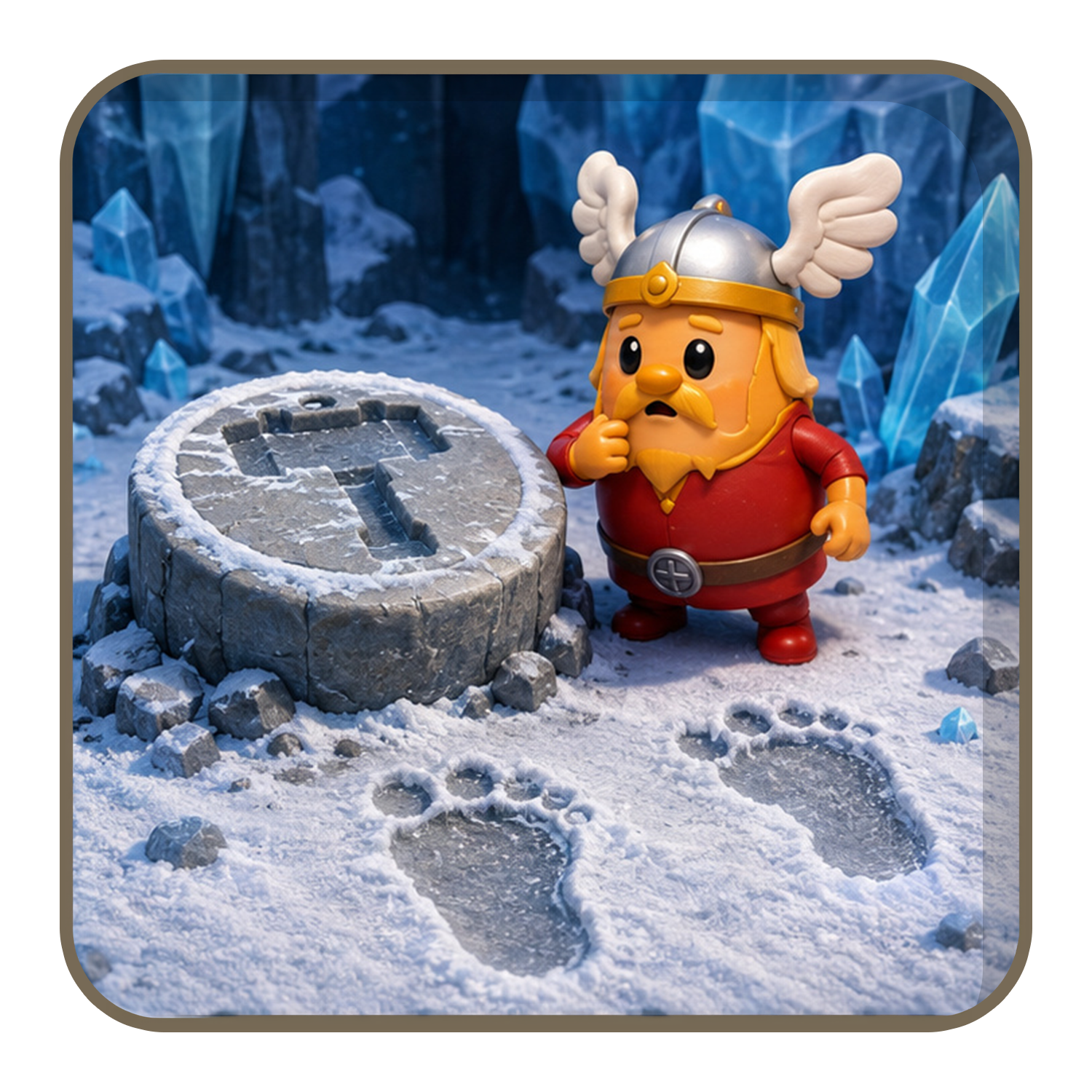
Thor’s Hammer Is Stolen
Thor’s stolen hammer is one of the funniest surviving Norse stories. Thor wakes to find Mjölnir missing. The giant Thrym will return it only if he receives Freyja as his bride, so Thor disguises himself as Freyja and attends the wedding. The plan nearly collapses when the “bride” eats an ox, eight salmon and drinks three barrels of mead. Once Mjölnir is placed in Thor’s lap for the ceremony, the comedy ends with a thunderous victory.
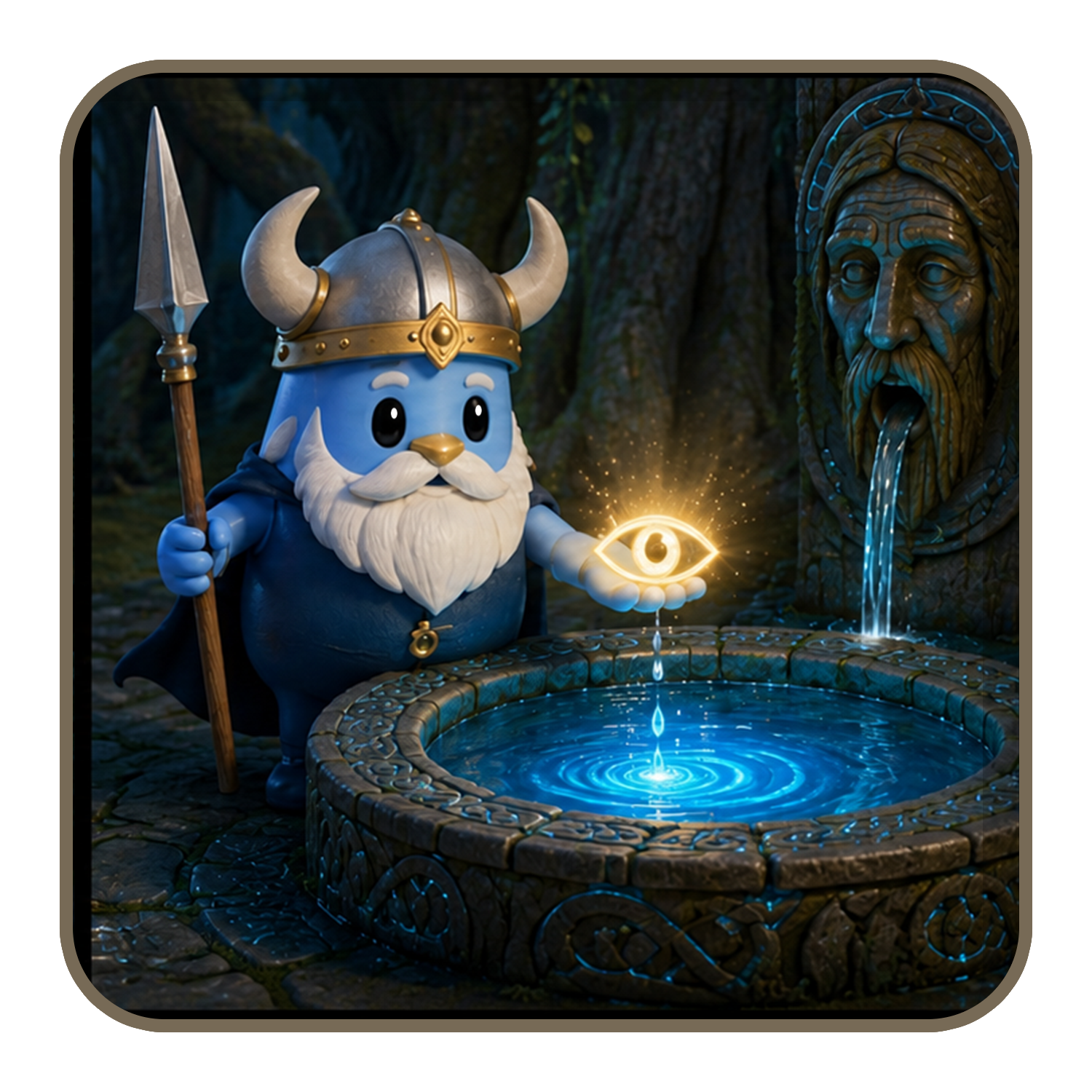
Odin’s Sacrifice
Odin is always searching for wisdom, and Norse mythology makes him pay for it. He gives one eye for a drink from Mímir’s well and later hangs for nine nights on Yggdrasil, wounded by a spear and offered to himself. At the edge of death, he discovers the runes. These stories are not instructions to copy. They are powerful myths about the frightening price Odin accepts because knowledge matters more to him than comfort or safety.
Fun fact: The English word Wednesday comes from “Woden’s day”, using the Old English form of Odin’s name.
Read the Full Story
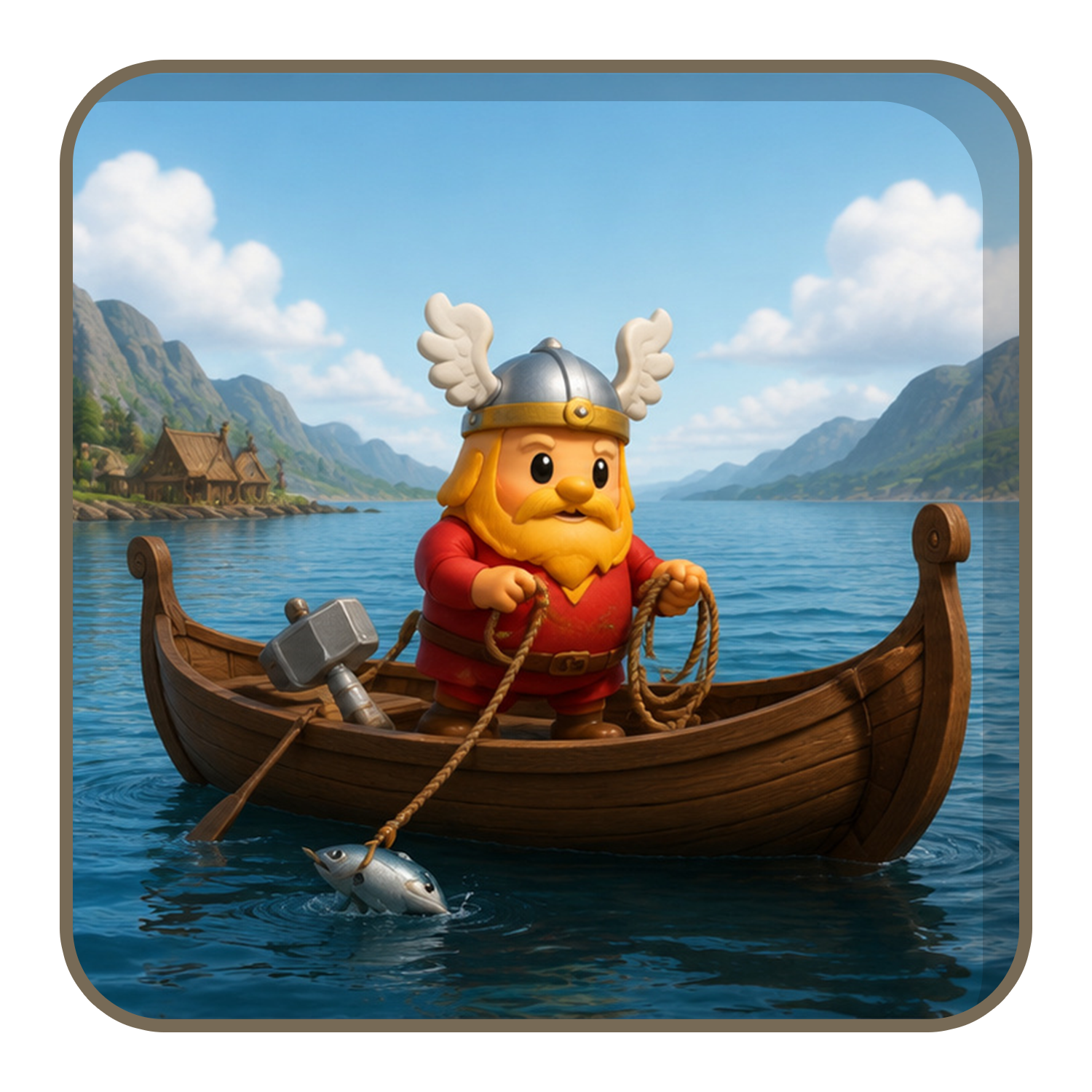
Thor vs Jörmungandrn
Thor and Jörmungandr are enemies whose struggle stretches from a magical trick to the end of the world. Thor first meets the World Serpent disguised as a cat, later hooks him during the most dangerous fishing trip imaginable, and finally fights him at Ragnarok. Thor kills the serpent but takes only nine steps before its venom kills him. Their story grows each time they meet, turning a contest of strength into a battle neither can truly win.
Fun fact: Thor’s foot smashing through the boat appears in both art and later written storytelling.
Read the Full Story

The Death of Baldr
Baldr is the shining, much-loved son of Odin and Frigg. When he begins having frightening dreams about his death, his mother tries to make him completely safe. Nearly everything in the world promises not to harm him. The gods turn his new invulnerability into a game, throwing weapons that bounce harmlessly away. Only Loki searches for the weakness. He discovers that mistletoe was considered too young to swear the promise and uses it to bring about Baldr’s death. I think this story is especially sad because everybody’s attempt to defeat fate helps it come true.
Fun fact: Almost the entire universe weeps for Baldr. Even stones and metal join in, but one refusal is enough to keep him in Hel.
Read the Full Story
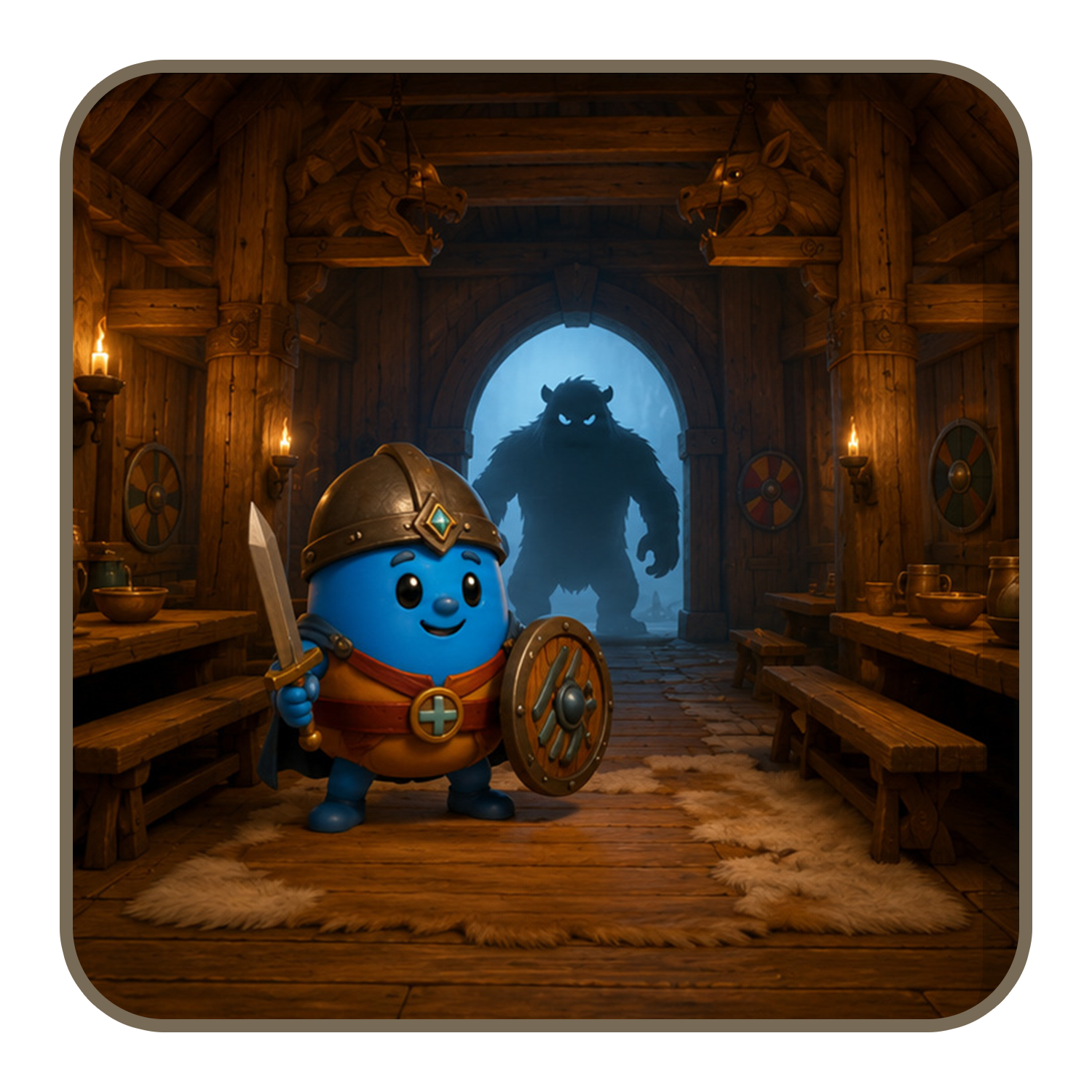
Beowulf’s Greatest Battles
Beowulf fights three great enemies during his life: Grendel, Grendel’s mother and a treasure-guarding dragon. Each battle is different. Against Grendel, he is a young warrior proving his strength. In the underwater hall, he survives because he spots a giant-made sword. Against the dragon, he is an ageing king protecting his people even though the fight will kill him. I love the action, but the poem uses the monsters to ask a larger question: does being a great fighter automatically make somebody a great leader?
Fun fact: Beowulf’s three opponents require three different kinds of success: raw strength, quick use of a discovered weapon, and loyal teamwork.
Read the Full Story
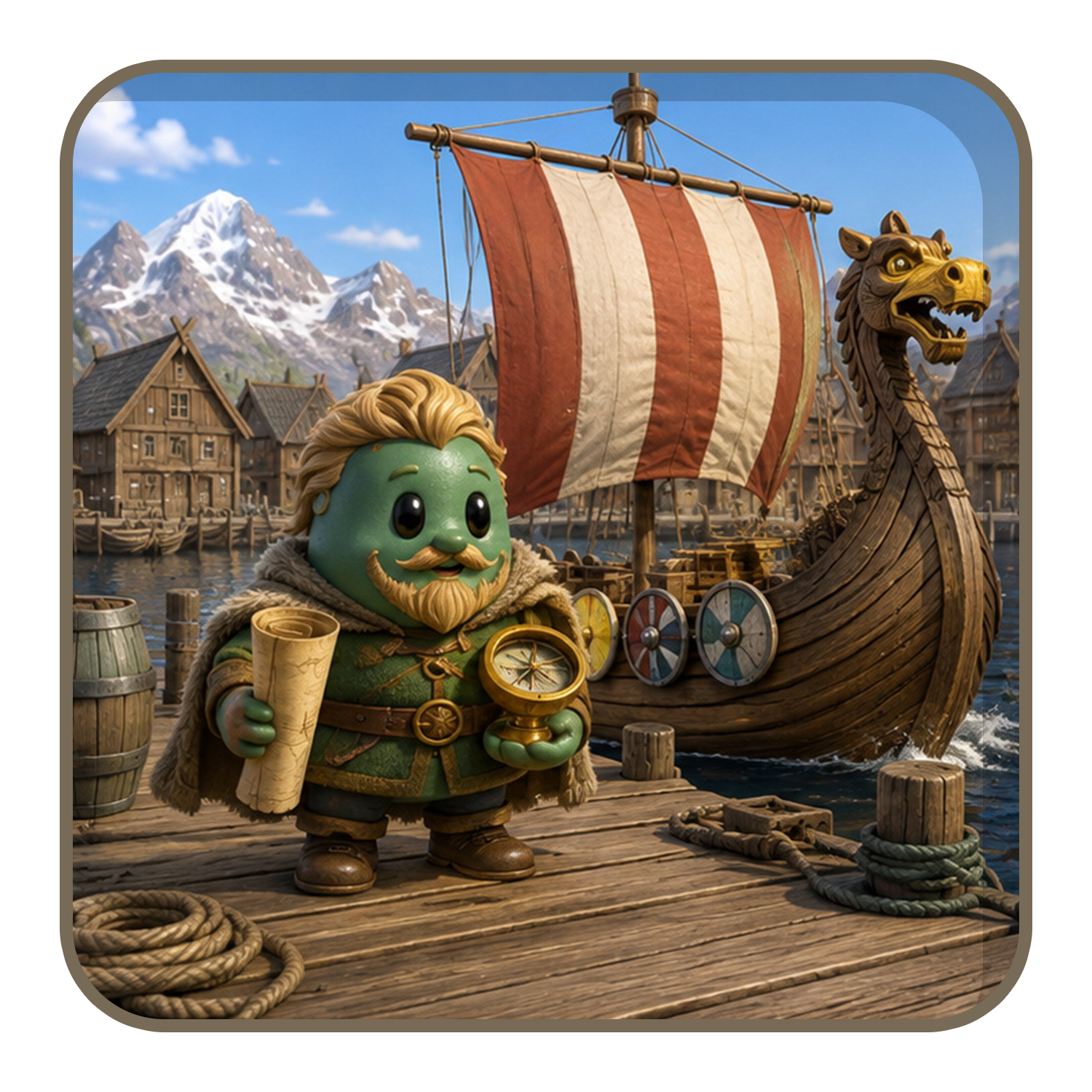
Leif Erikson Sails to Vinland
Around the year 1000, Leif Erikson crossed the North Atlantic from the Norse settlements in Greenland and reached lands in North America. The sagas call the region Vinland. This happened centuries before Christopher Columbus’s first Atlantic voyage. Archaeology at L’Anse aux Meadows in Newfoundland proves that Norse people really established a base in North America. The sagas disagree about exactly how Leif made his discovery, so the most accurate way to tell the adventure is to explain both versions and then compare them with the physical evidence.
Fun fact: A burst of radiation from the Sun helped archaeologists date Norse activity at L’Anse aux Meadows.
Read the Full Story
Learn More About Norse Mythology...