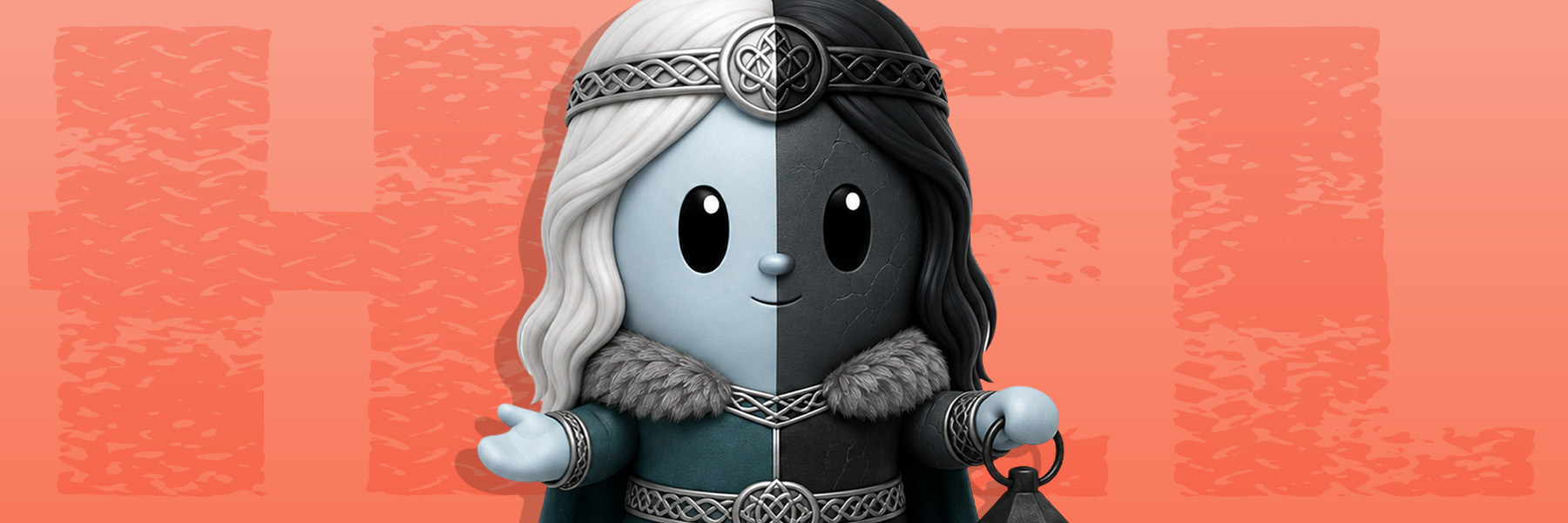
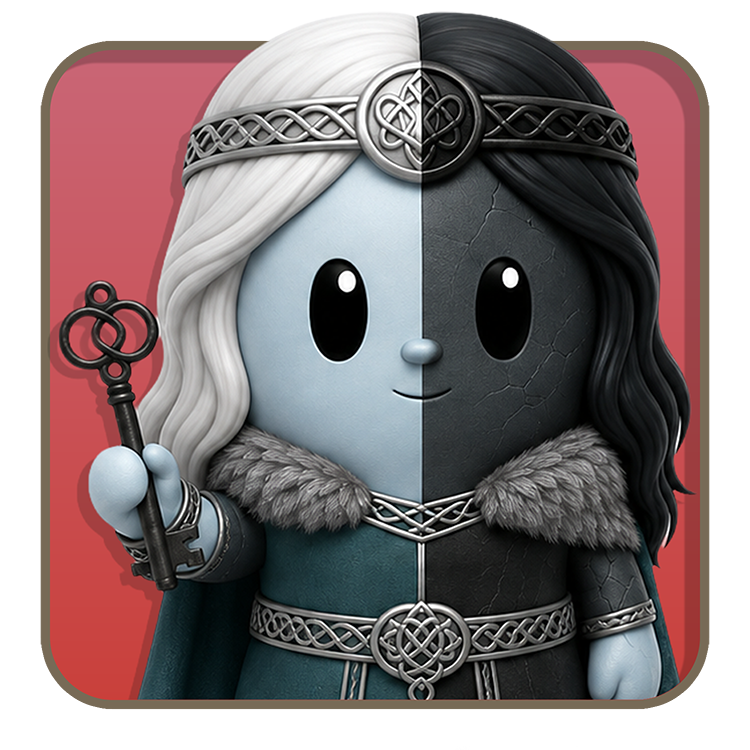
Odin learns that Loki’s three children will cause great trouble. The gods take them from Jotunheim. Jormungandr is thrown into the ocean, Fenrir is raised and later bound, and Hel is sent to Niflheim. Odin gives her authority over nine worlds, or regions, so she can provide lodging for those sent to her. This makes her both banished and powerful. Snorri gives her hall and belongings gloomy names. Her hall is Eljudnir, her dish is Hunger and her knife Famine. Her servant is Ganglati and her maid Ganglot, names suggesting slowness. Her threshold is a falling hazard, her bed is Sickbed and its curtains are Gleaming Misfortune. These details turn illness and decline into the furniture of an uncomfortable household. Hel’s largest role comes after Baldr’s death.
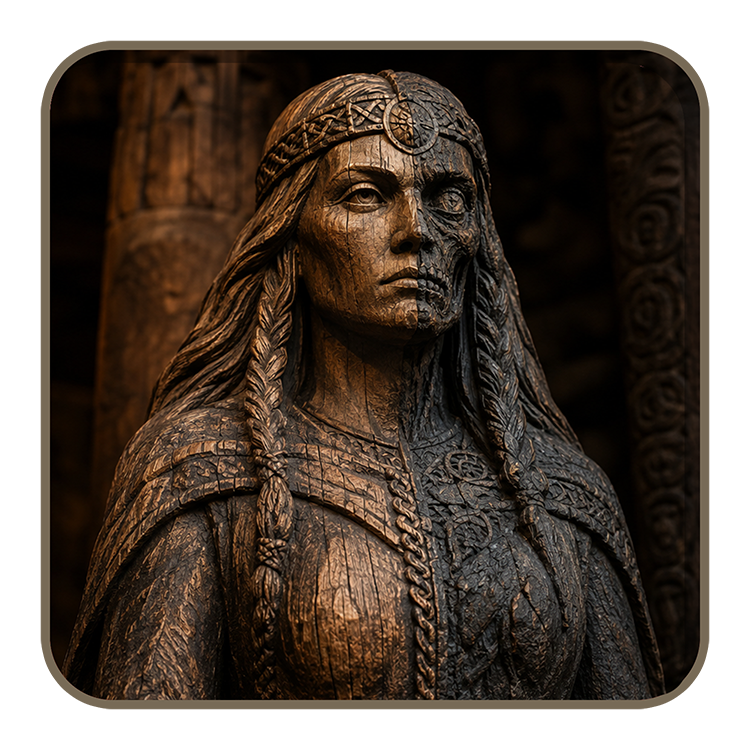
Frigg asks someone to ride into her realm and offer a ransom. Hermod travels on Sleipnir for nine nights, crosses the river Gjoll and reaches Hel’s hall. Baldr is seated there in honour, but Hel controls whether he can leave. She agrees to release him only if every being in the world weeps for him. Nearly everything weeps, including people, animals, stones and trees. A giantess called Thokk refuses, and Snorri suggests she is Loki in disguise. The condition is not met, so Hel keeps Baldr until after Ragnarok. She does not break her word or secretly change the test. Her decision is strict, but it follows the exact terms she announced. Hel is not the same as the Christian devil, and her realm is not simply Christian Hell with one letter removed.
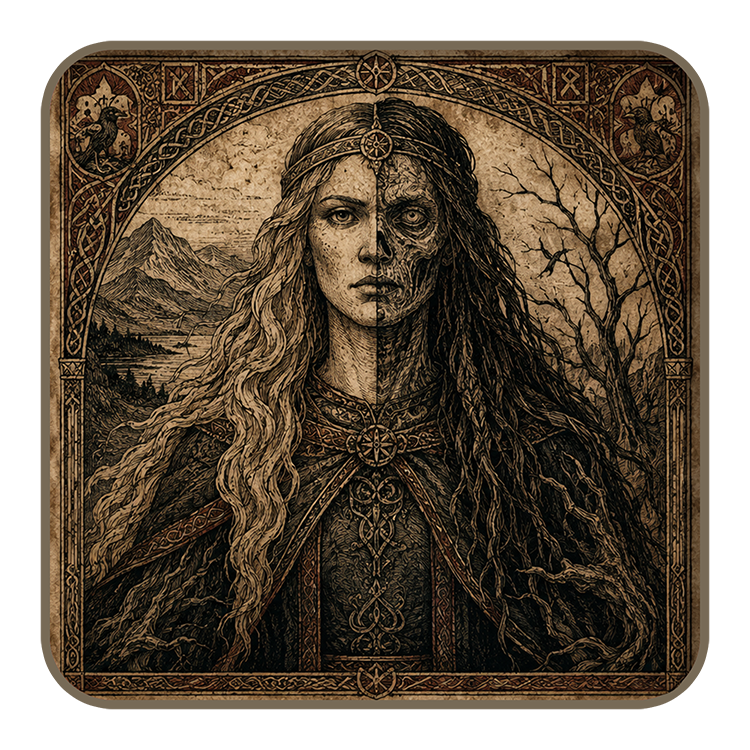
The English words are related through older Germanic language, but pre-Christian Norse ideas about death were varied. Odin receives selected warriors in Valhalla, Freyja receives others, people may remain in burial mounds or travel to different halls, and those lost at sea may be linked with Ran. The sources do not present one single map covering every dead person. Poetic descriptions of travelling “to Hel” can mean dying, just as English speakers might say someone has gone to the grave. That does not always prove the goddess personally appears. Archaeological burials also show varied hopes and practices: cremation, inhumation, ships, weapons, jewellery, food and everyday objects. Stories and graves offer related but different kinds of evidence.

Hi! I’m Jocelyn, and I created Mythfits Society to make discovering ancient myths easier, more interesting and much more fun.
Read My Story