
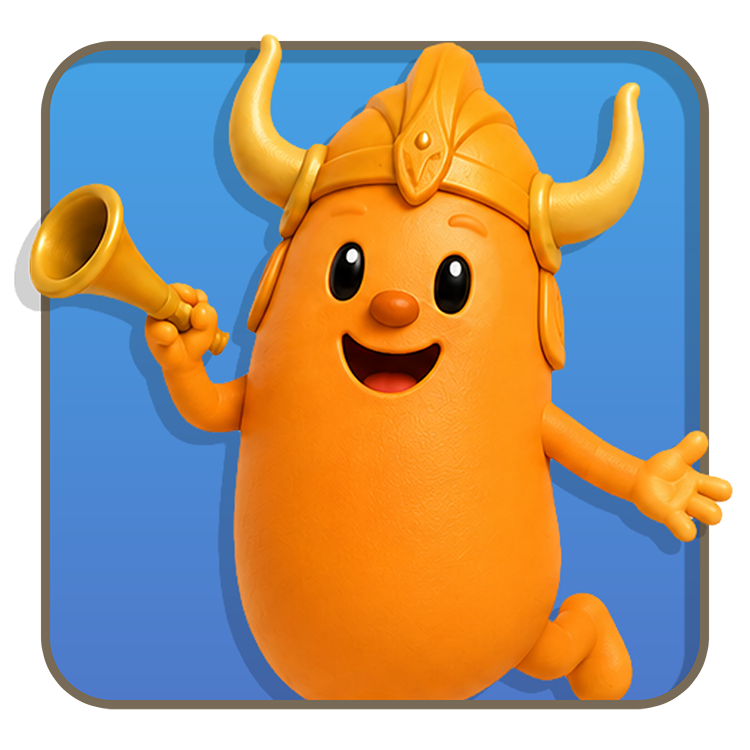
Heimdall lives at Himinbjorg, “Heaven Mountain”, beside Bifrost. Snorri describes him as the white god and says he has golden teeth. His horse is Gulltopp, “Golden Forelock”. The phrase “Heimdall’s head” could be used as a poetic term for a sword, although the story explaining this is lost. Many details about him survive as intriguing fragments rather than one complete biography. The poem Voluspa opens by calling humanity the greater and lesser children of Heimdall. Another poem, Rigsthula, tells how a travelling god named Rig visits three households and fathers the ancestors of social groups called thralls, free farmers and nobles. A prose introduction identifies Rig as Heimdall, although scholars debate whether that identification belonged to the original poem. The story reflects medieval hierarchy and should be explained rather than treated as approval of inequality.
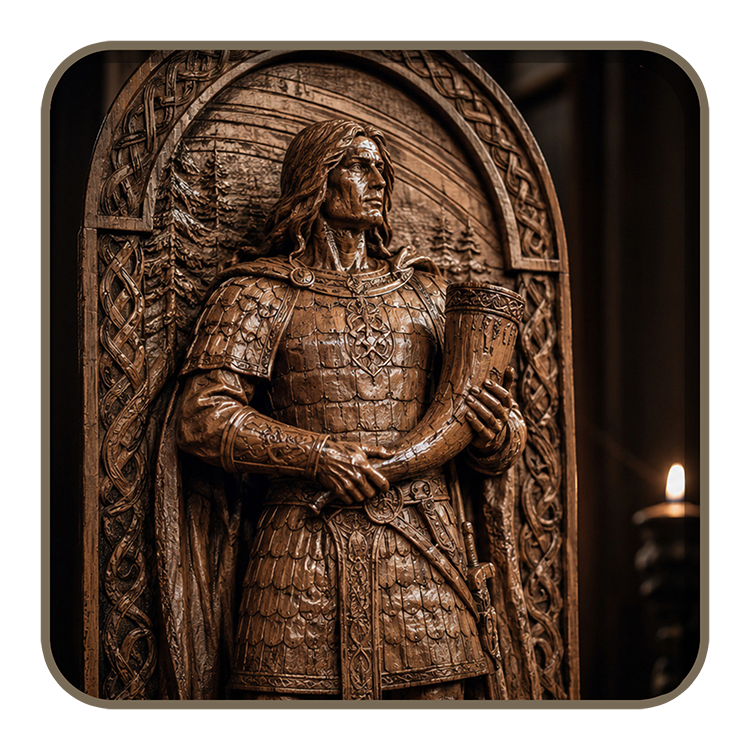
Heimdall is said to have nine mothers, all sisters. The poem Hyndluljod names nine giant women who bore him at the edge of the world. Some scholars connect them with waves and the nine daughters of the sea figures Aegir and Ran, but the sources do not make every relationship completely clear. The extraordinary birth suits a guardian whose senses and ancestry reach across boundaries. Loki is Heimdall’s great opponent. In Lokasenna, Loki mocks him for having to stand watch with a muddy back. Snorri says Heimdall once fought Loki in the shapes of seals over Freyja’s necklace Brisingamen. Only a brief reference to that story survives, so modern retellings must not pretend we know every move of the fight. At Ragnarok, Heimdall sees the enemies approaching and sounds Gjallarhorn.
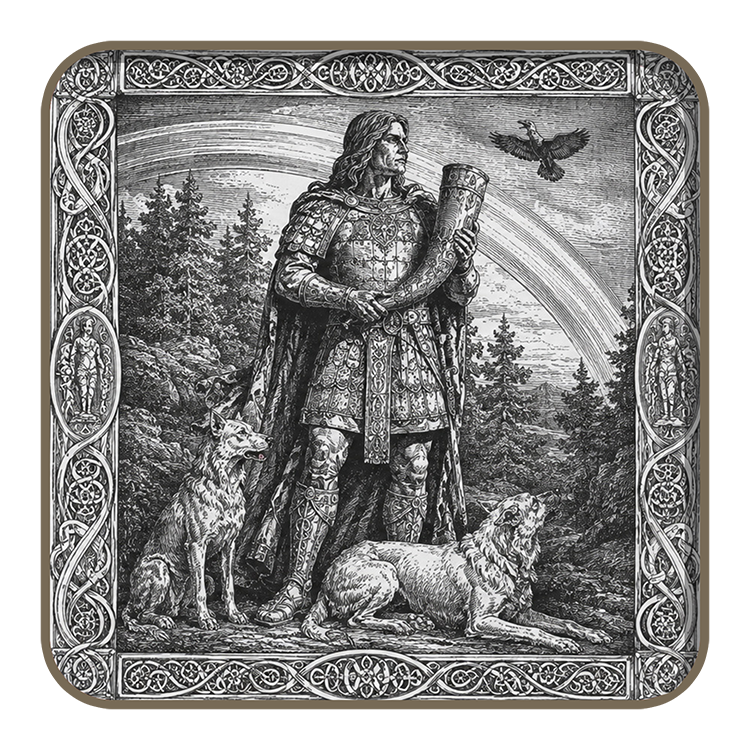
Its blast reaches all the worlds and awakens the gods for their council and battle. Heimdall fights Loki, and they kill each other. The patient watchman and boundary-breaking trickster become perfectly matched opponents at the collapse of the boundaries Heimdall guarded. Gjallarhorn is also connected with Mimir’s well in Voluspa, where Odin’s eye is hidden. The poem’s wording has produced different interpretations about whether this is the same horn or another object. Norse poetry often assumes its audience already understands references that are now incomplete. Historians compare manuscripts, language and later explanations rather than patching every gap with invention.

Hi! I’m Jocelyn, and I created Mythfits Society to make discovering ancient myths easier, more interesting and much more fun.
Read My Story