Monster Stories
Welcome to monster stories!
Theseus and the Minotaur
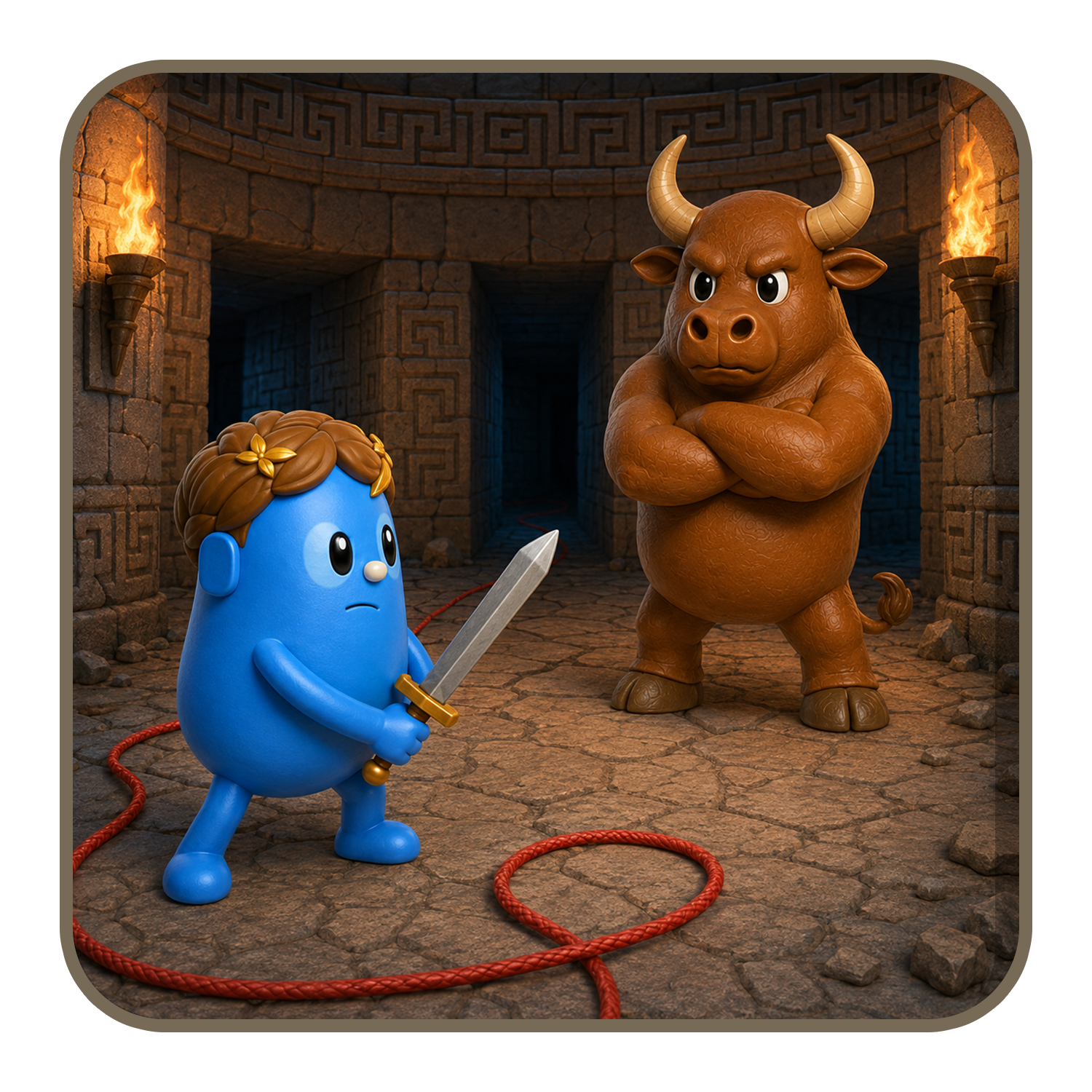
Theseus volunteers to travel to Crete with a group of young Athenians being sent into the Labyrinth, where the terrifying Minotaur waits. He plans to kill the monster and end the terrible tribute. On Crete, Princess Ariadne gives him two extremely useful things: a sword and a ball of thread. Theseus unwinds the thread as he enters the maze, defeats the Minotaur and follows the line back to safety. Unfortunately, his journey home ends in tragedy when he forgets to change his ship’s black sail to white. I like this story because it proves that defeating the monster is only half the job. You also have to remember how to get home.
Fun fact: Ariadne’s thread is so famous that ‘a thread’ can still mean a clue that helps you find your way through a complicated problem!
Read the Full Story
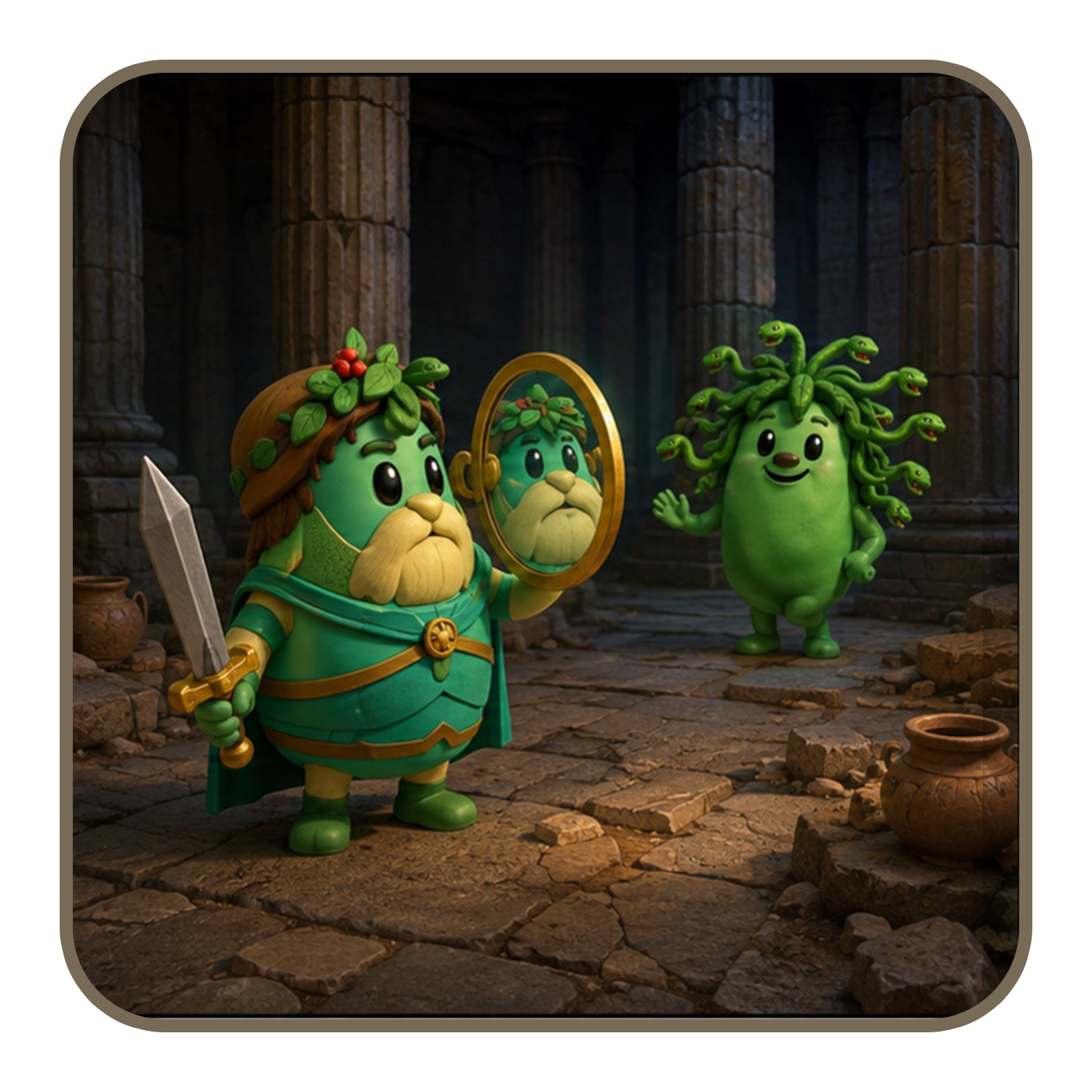
Perseus and Medusa
Perseus is sent on what sounds like an impossible mission: bring back the head of Medusa, the Gorgon whose gaze turns people to stone. Luckily, he does not simply charge in with a sword. Athena, Hermes and other helpers provide magical equipment, including a reflective shield, winged sandals and a cap of invisibility. Perseus defeats Medusa by watching her reflection instead of looking directly at her. On his journey home he also rescues Andromeda from a sea monster. I like Perseus because his greatest weapon is not really his sword. It is his ability to listen, prepare and find a clever way around a problem.
Fun fact: Perseus defeats Medusa while looking the wrong way — which is probably the smartest backwards fight in mythology!
Read the Full Story
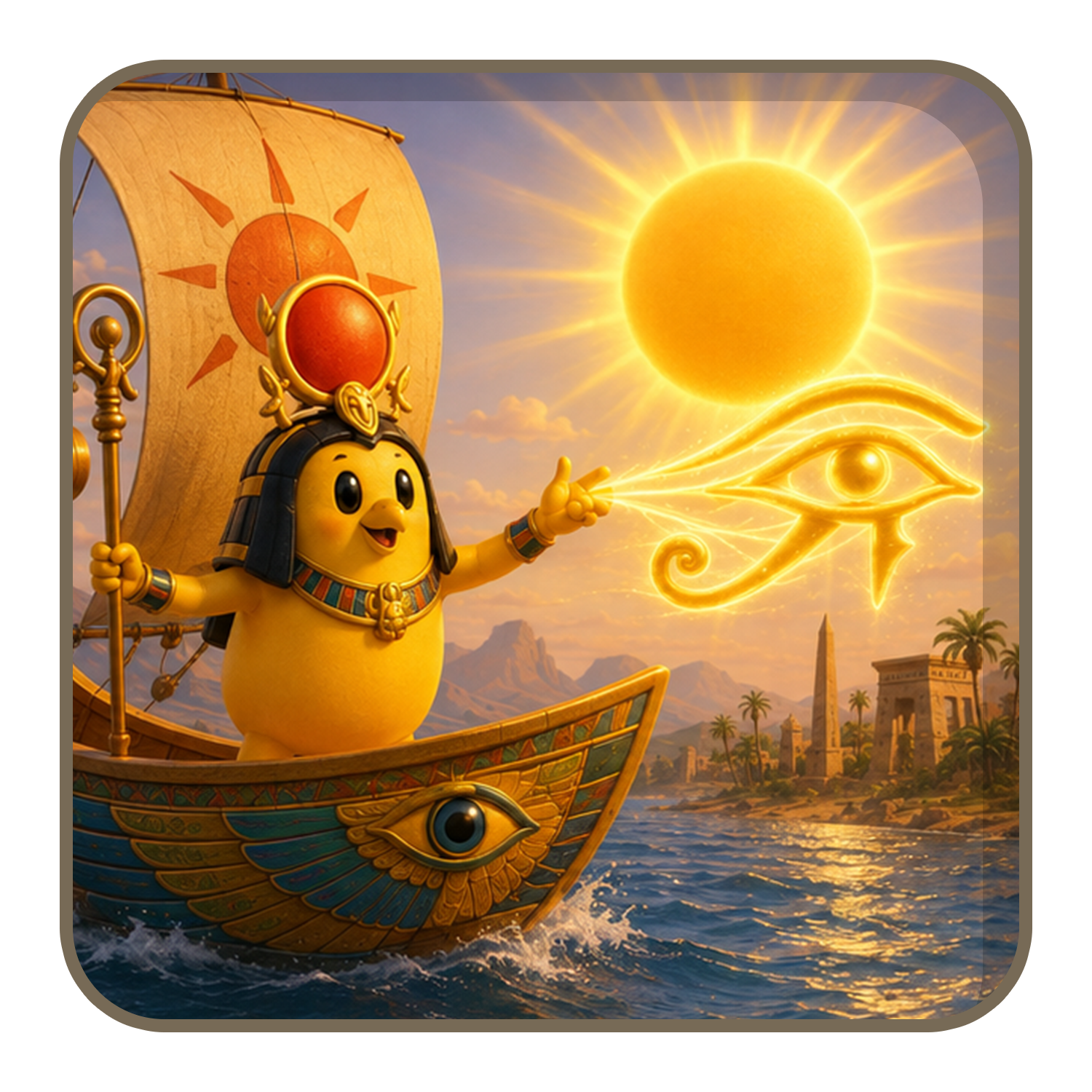
The Eye of Ra
The Eye of Ra is not simply one eyeball in one fixed story. In Egyptian religion it is a powerful goddess and an extension of the Sun god’s force. Different texts identify the Eye with Hathor, Sekhmet, Tefnut, Bastet, Wadjet and other goddesses. She can protect Ra, burn his enemies and shine as the Sun’s blazing disc. She can also become angry, leave Egypt and need to be persuaded home. I think the Eye is fascinating because the same power can be protective or dangerously fierce depending on how it is used.
Fun fact: In the story of Sekhmet’s fury, the red drink is beer rather than blood. Some retellings call it pomegranate juice, but the ancient text describes beer coloured with red ochre.
Read the Full Story
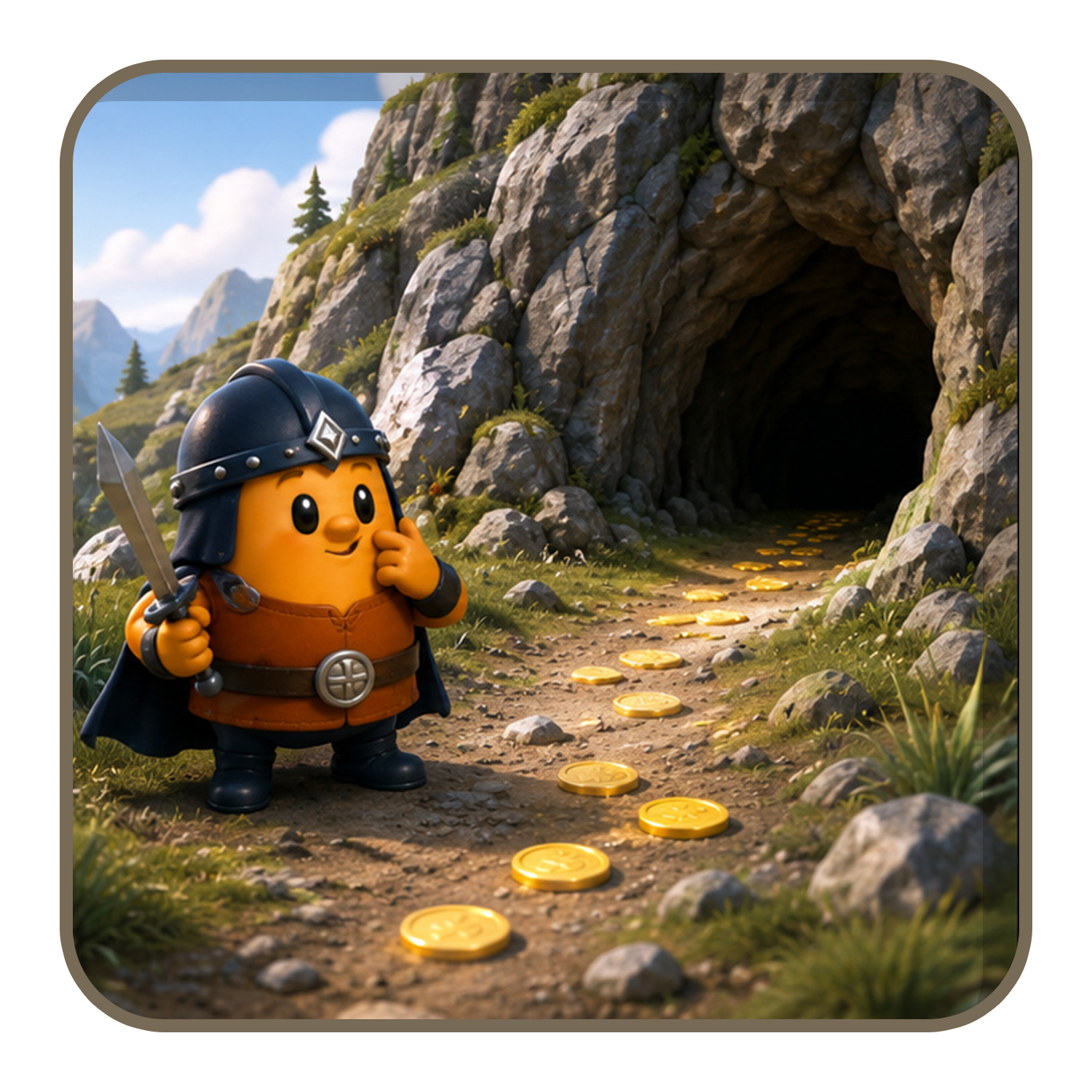
Sigurd and the Dragon Fafnir
Sigurd’s fight with Fafnir is one of northern Europe’s greatest dragon stories. A young hero hides in a pit, stabs upwards with the sword Gram and kills a serpent guarding cursed gold. Yet the tale is about more than bravery. Fafnir was once a man, the treasure has already caused murder, and Sigurd is warned that taking it will bring disaster. I think the most important moment comes after the battle, when tasting dragon blood lets Sigurd understand birds and discover another betrayal.
Fun fact: Tasting dragon blood lets Sigurd understand the warnings of birds.
Read the Full Story
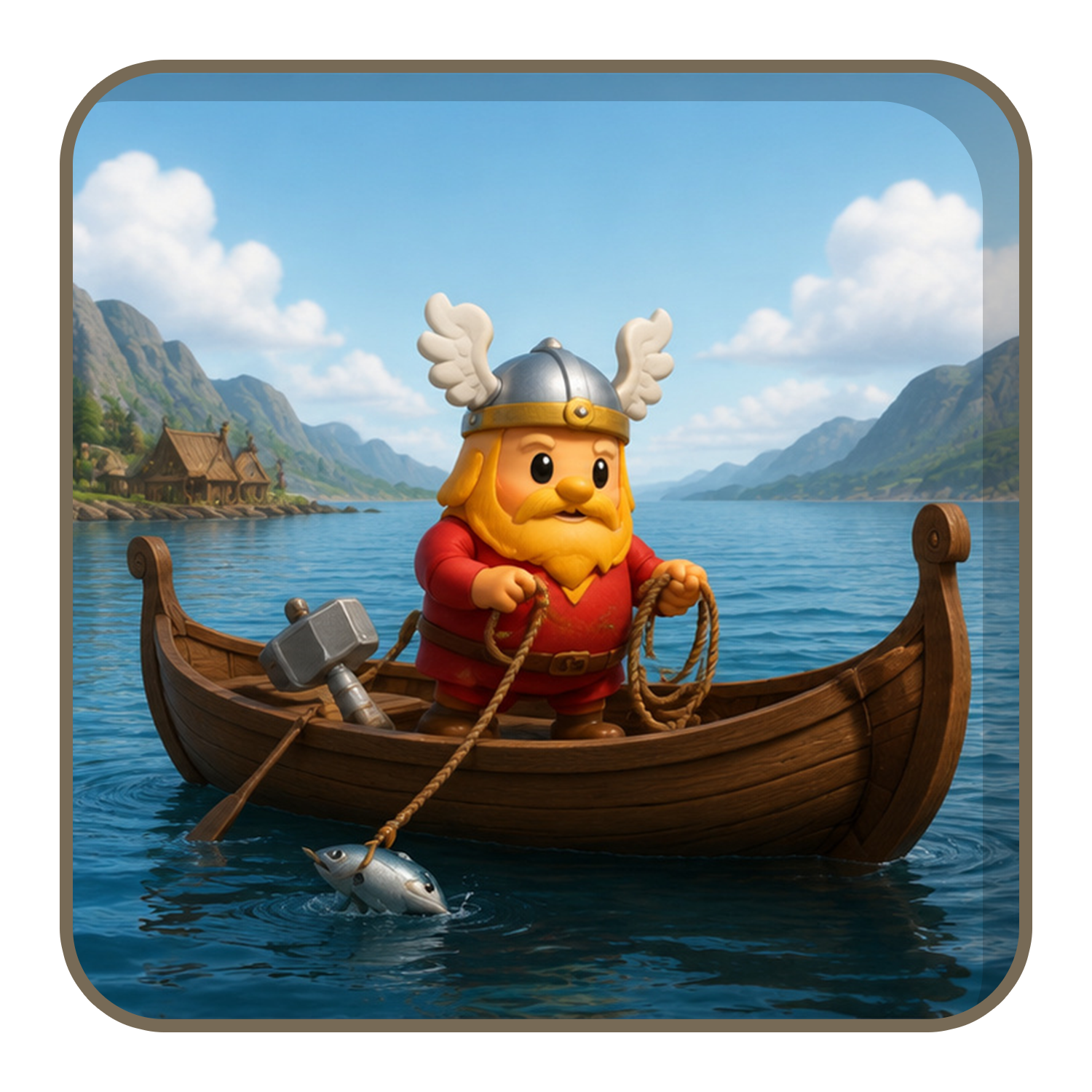
Thor vs Jörmungandrn
Thor’s stolen hammer is one of the funniest surviving Norse stories. Thor wakes to find Mjölnir missing. The giant Thrym will return it only if he receives Freyja as his bride, so Thor disguises himself as Freyja and attends the wedding. The plan nearly collapses when the “bride” eats an ox, eight salmon and drinks three barrels of mead. Once Mjölnir is placed in Thor’s lap for the ceremony, the comedy ends with a thunderous victory.
Fun fact: Thor’s foot smashing through the boat appears in both art and later written storytelling. One carved foot helps connect versions of the same dramatic scene across centuries.
Read the Full Story
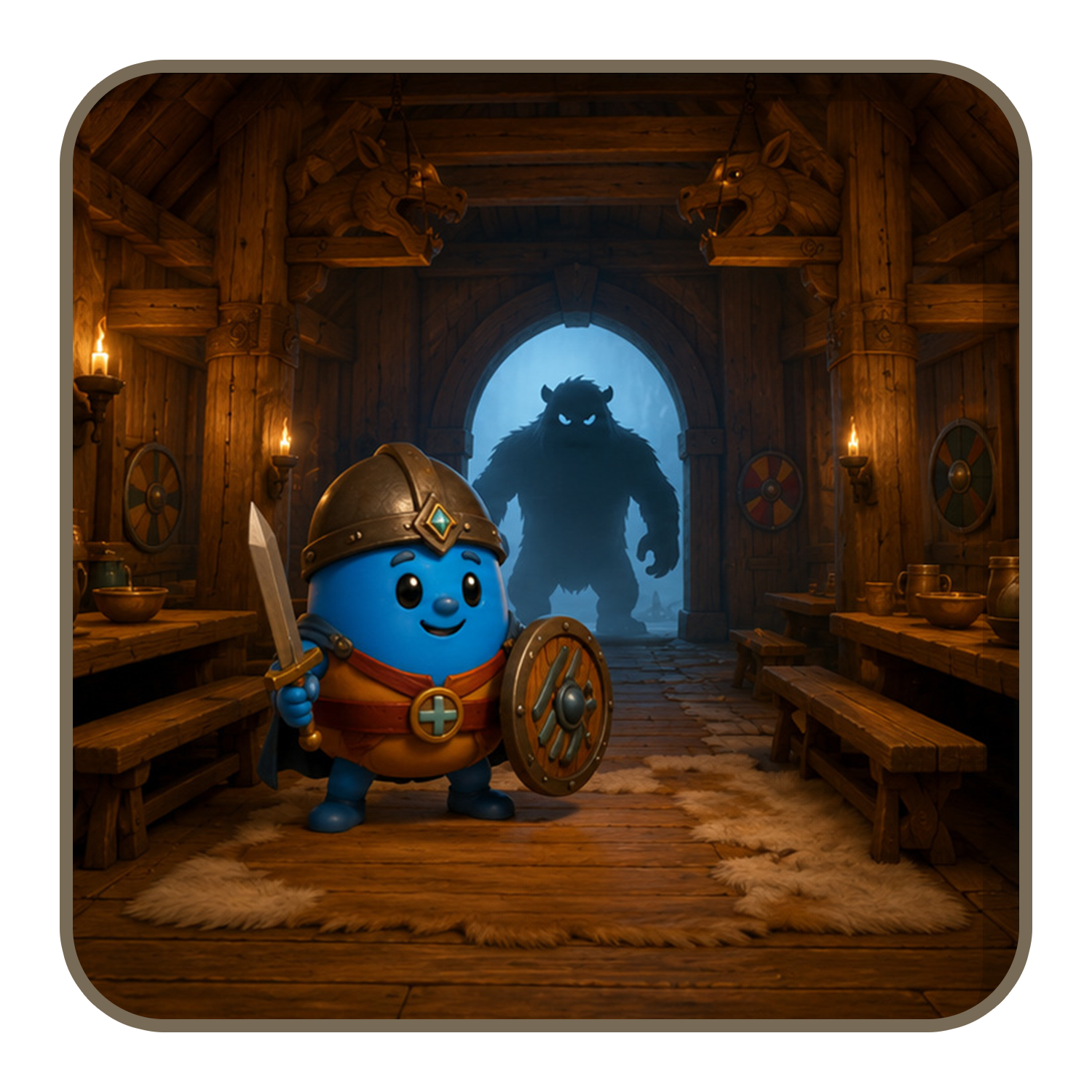
Beowulf’s Greatest Battles
Beowulf fights three great enemies during his life: Grendel, Grendel’s mother and a treasure-guarding dragon. Each battle is different. Against Grendel, he is a young warrior proving his strength. In the underwater hall, he survives because he spots a giant-made sword. Against the dragon, he is an ageing king protecting his people even though the fight will kill him. I love the action, but the poem uses the monsters to ask a larger question: does being a great fighter automatically make somebody a great leader?
Fun fact: Beowulf’s three opponents require three different kinds of success: raw strength, quick use of a discovered weapon, and loyal teamwork.
Read the Full Story