Epic Stories
Welcome to hero stories!

Jason and the Golden Fleece
Jason’s adventure begins with a stolen throne and an impossible mission. His uncle Pelias sends him across the sea to Colchis to bring back the Golden Fleece, hoping he will never return. Jason gathers a crew of famous heroes called the Argonauts and sails aboard the Argo. They face Harpies, crashing rocks, fire-breathing bulls and warriors that grow from the ground! Jason is brave, but he needs plenty of help, especially from the clever magician Medea. I like this story because it is not really about one hero doing everything. The whole adventure works because different people bring different skills to the team.
Fun fact: The Argo’s crew included so many famous heroes that it was basically the superhero team of Ancient Greece!
Read the Full Story
The Twelve Labours of Heracles
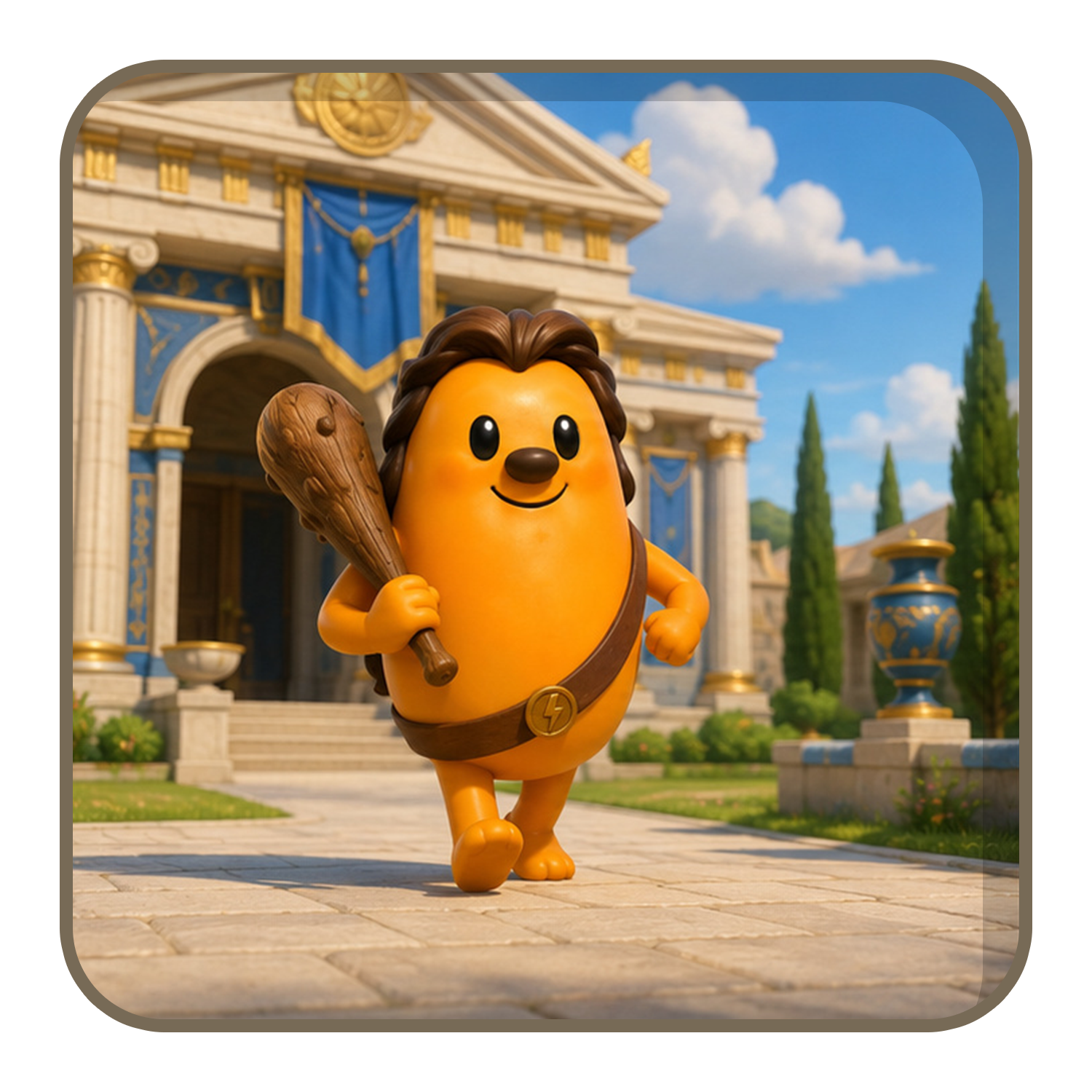
Heracles was the strongest hero in Greece, but his Twelve Labours prove that muscles were not enough. After a terrible tragedy caused by madness sent by Hera, Heracles was ordered to serve King Eurystheus and complete a series of almost impossible tasks. He fought the Nemean Lion and Hydra, captured dangerous animals, cleaned enormous stables, travelled to the edge of the world and even entered the Underworld to fetch Cerberus. Some jobs required strength, but others needed patience, teamwork or clever tricks. That is what I like about the Labours. Heracles starts as the strongest hero, but the adventures constantly force him to become a smarter one too.
Fun fact: The Twelve Labours were originally meant to be ten — Eurystheus refused to count two of them!
Read the Full Story
The Trojan Horse
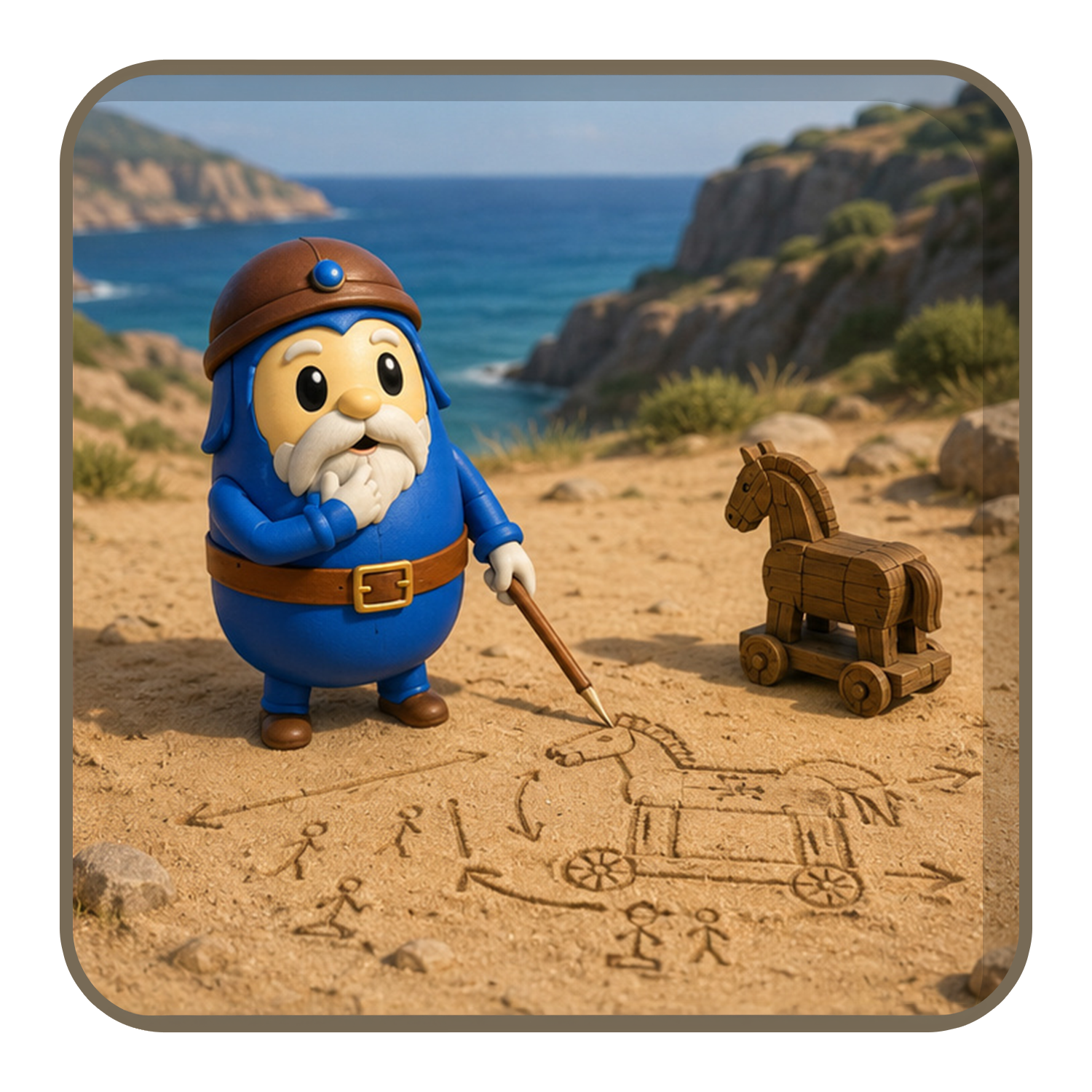
After ten years of fighting, the Greeks still could not break through the enormous walls of Troy. Odysseus finally came up with a completely different plan: build a gigantic wooden horse, hide soldiers inside it and pretend the Greek army had sailed home. The Trojans brought the horse into their city despite warnings from Laocoön and Cassandra. That night the hidden soldiers climbed out, opened the gates and let the Greek army inside. Troy fell. I think the cleverest part of this story is also its warning. The Trojans wanted the war to be finished so badly that they accepted the answer they hoped was true.
Fun fact: The Trojan Horse was such a successful trick that we still call hidden computer threats ‘Trojans’ today!
Read the Full Story
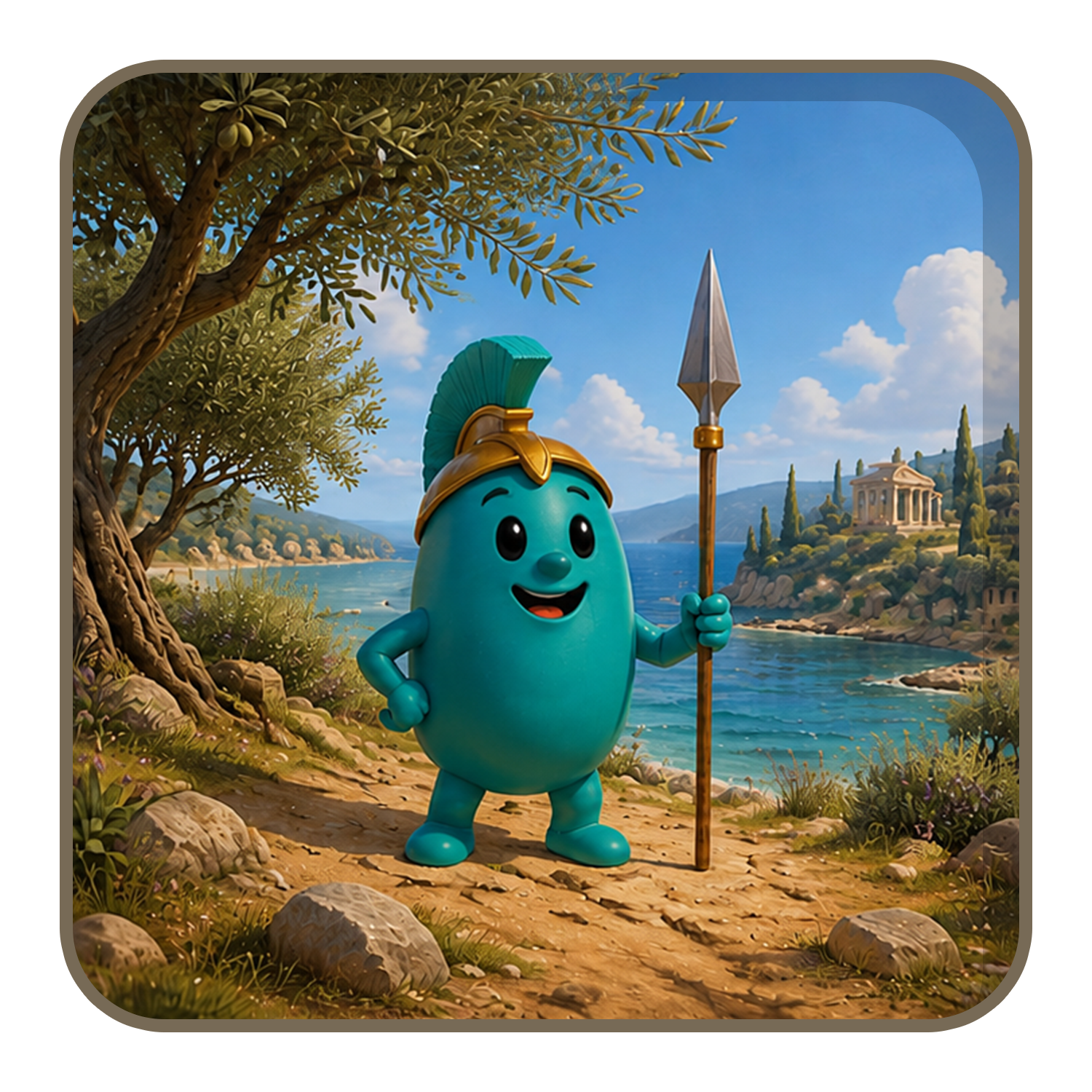
The Adventures of Aeneas
Aeneas was a Trojan hero who escaped the destruction of Troy and, according to Roman legend, began the family line that eventually produced Romulus and Remus. He was the son of the goddess Venus and the mortal Anchises. The poet Virgil made him the hero of the Aeneid, Rome’s great national epic, written during the rule of Augustus. Aeneas is not usually the strongest or funniest person in the story. His special quality is pietas, a Roman idea combining duty to family, gods and community. I admire him most when he keeps moving even though he has lost almost everything.
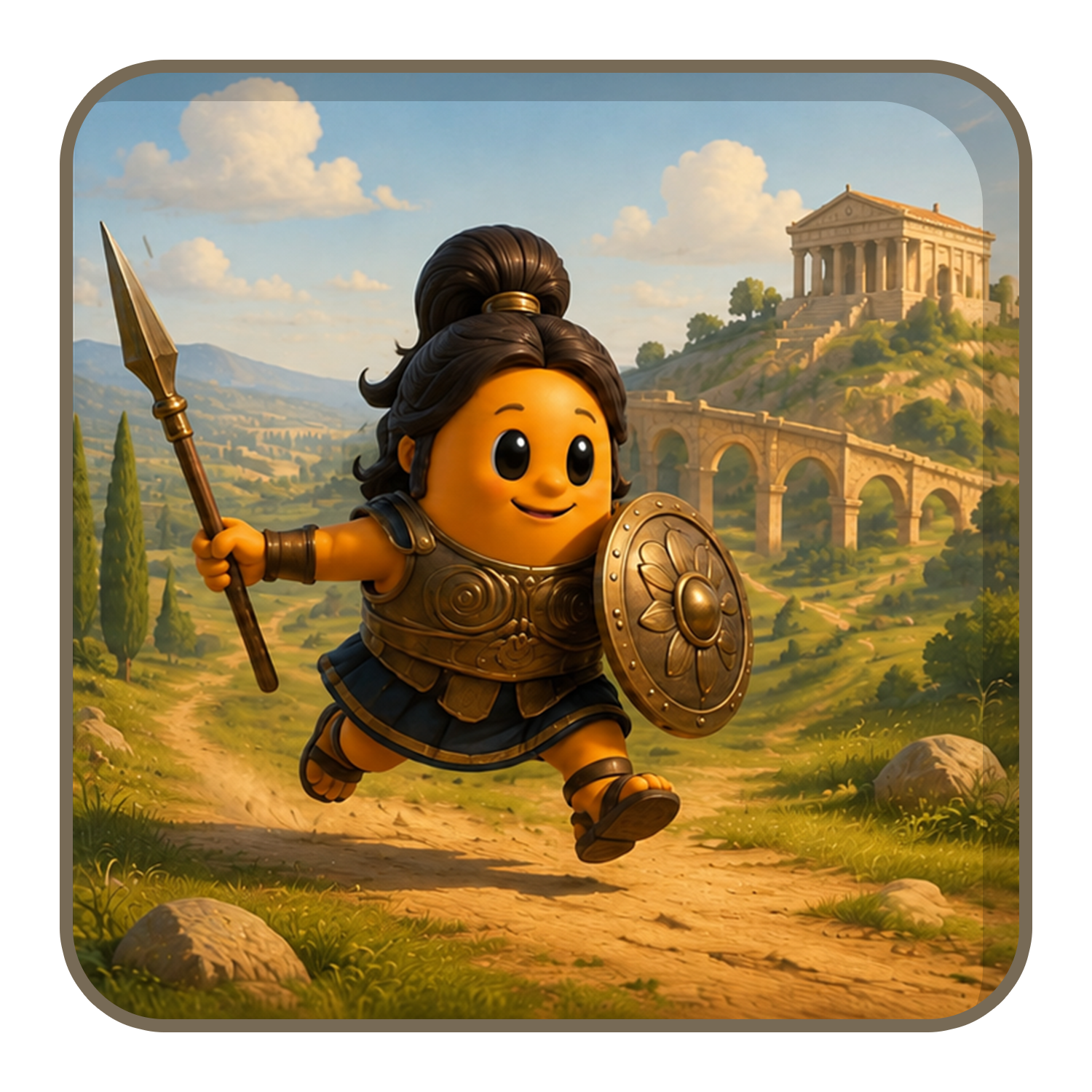
Camilla, the Warrior Maiden
Camilla is a swift and fearless warrior from Virgil’s Aeneid. She fights on the Italian side against the Trojan hero Aeneas and is described as moving so quickly that she could run across a field without bending the corn or skim over the sea without wetting her feet. Camilla is not a securely recorded historical person. She belongs to epic poetry, where a character can be both human and larger than life. She leads soldiers, defeats experienced fighters and becomes one of the poem’s most exciting opponents. I like her because nobody in the battle doubts that she belongs at the front.
Fun fact: Camilla was raised in the wilderness and became a lightning-fast warrior.
Read the Full Story
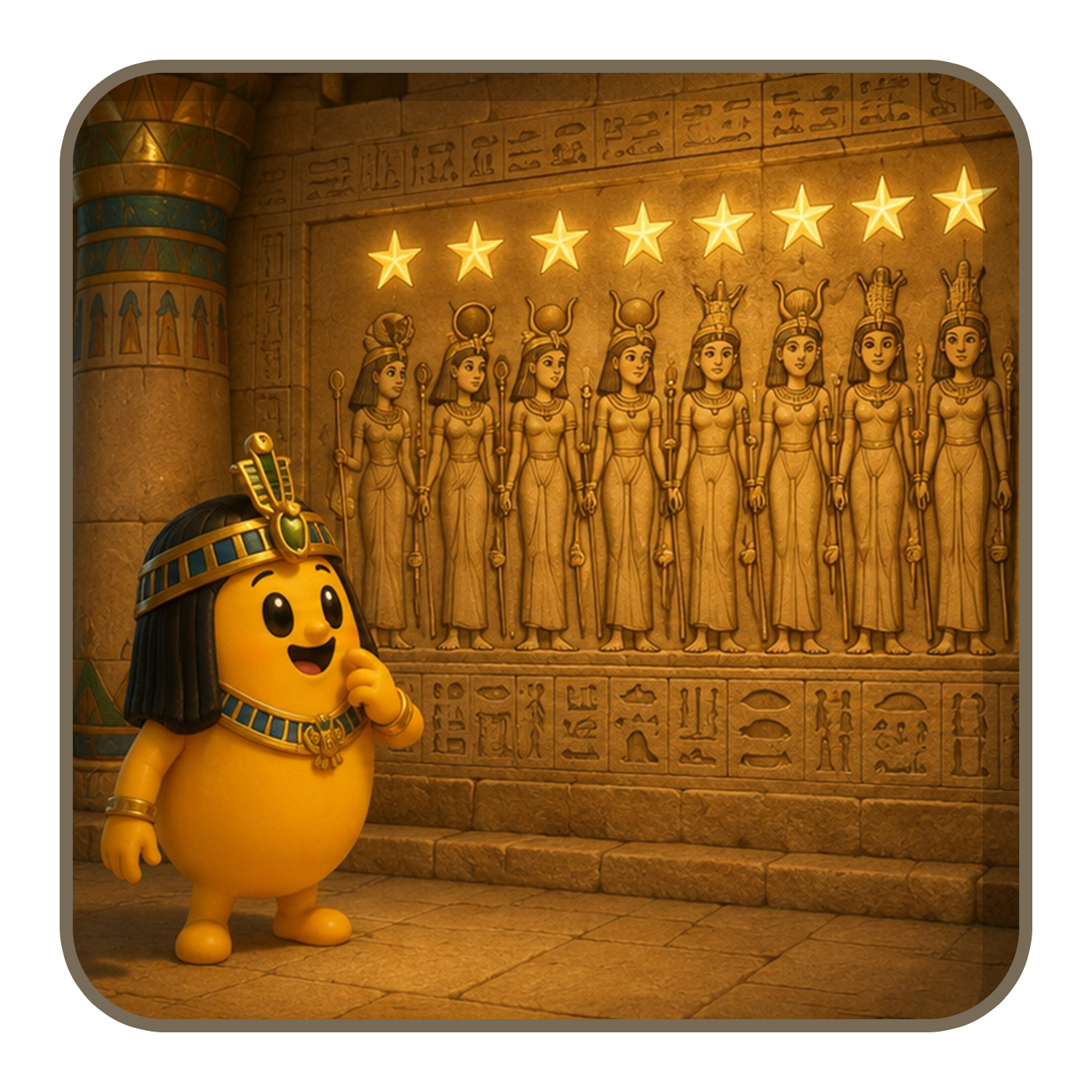
The Seven Wise Women of Egypt
The title The Seven Wise Women of Egypt is not the usual ancient name for a known group. The figures that best match it are the Seven Hathors, seven goddesses who appear in Egyptian stories and announce a newborn child’s fate. They are forms or companions of Hathor, a major goddess of love, music, joy, motherhood and the sky. Calling them wise women makes their role easy to picture, but I would label them the Seven Hathors on a history page so readers learn the attested name.
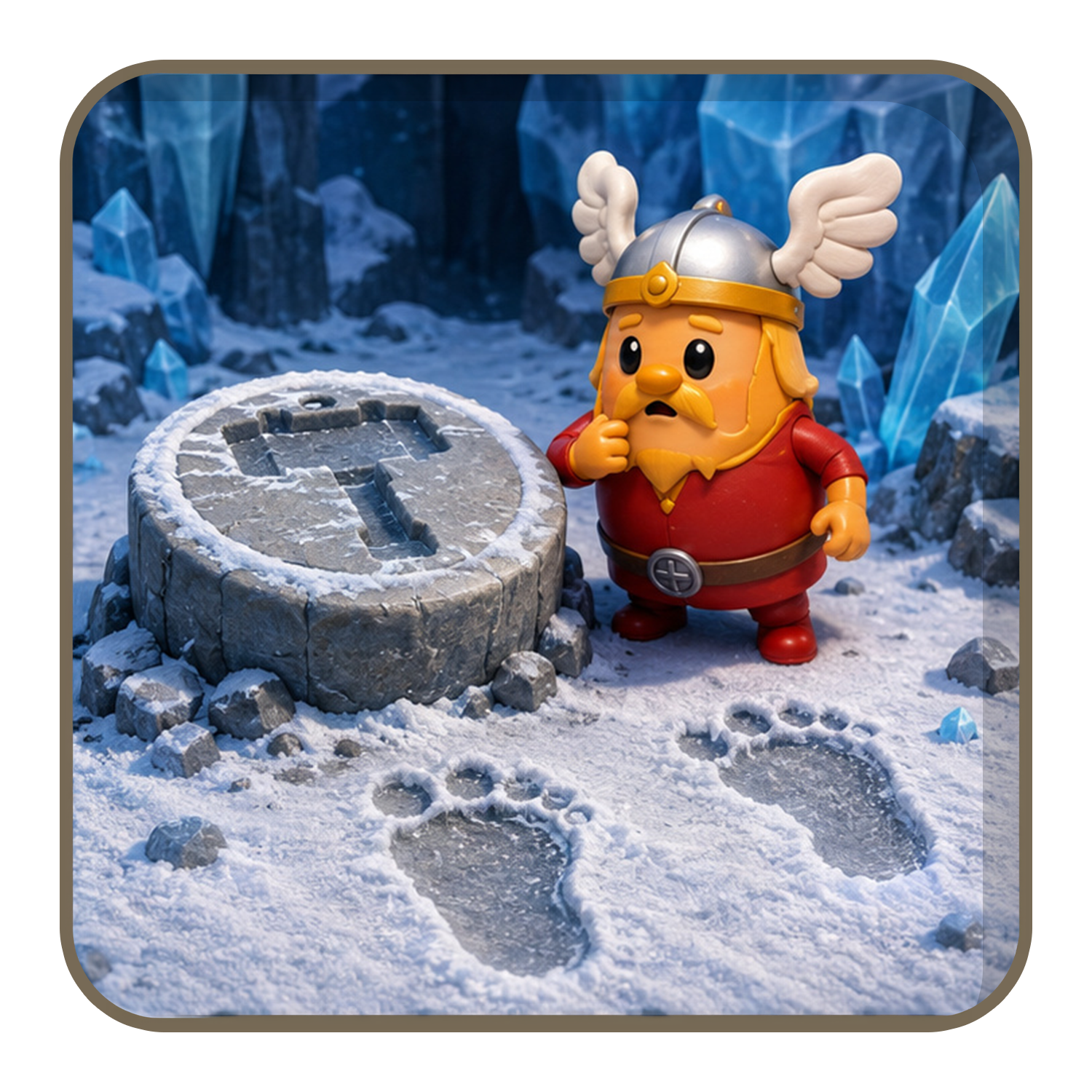
Thor’s Hammer Is Stolen
Thor’s stolen hammer is one of the funniest surviving Norse stories. Thor wakes to find Mjölnir missing. The giant Thrym will return it only if he receives Freyja as his bride, so Thor disguises himself as Freyja and attends the wedding. The plan nearly collapses when the “bride” eats an ox, eight salmon and drinks three barrels of mead. Once Mjölnir is placed in Thor’s lap for the ceremony, the comedy ends with a thunderous victory.
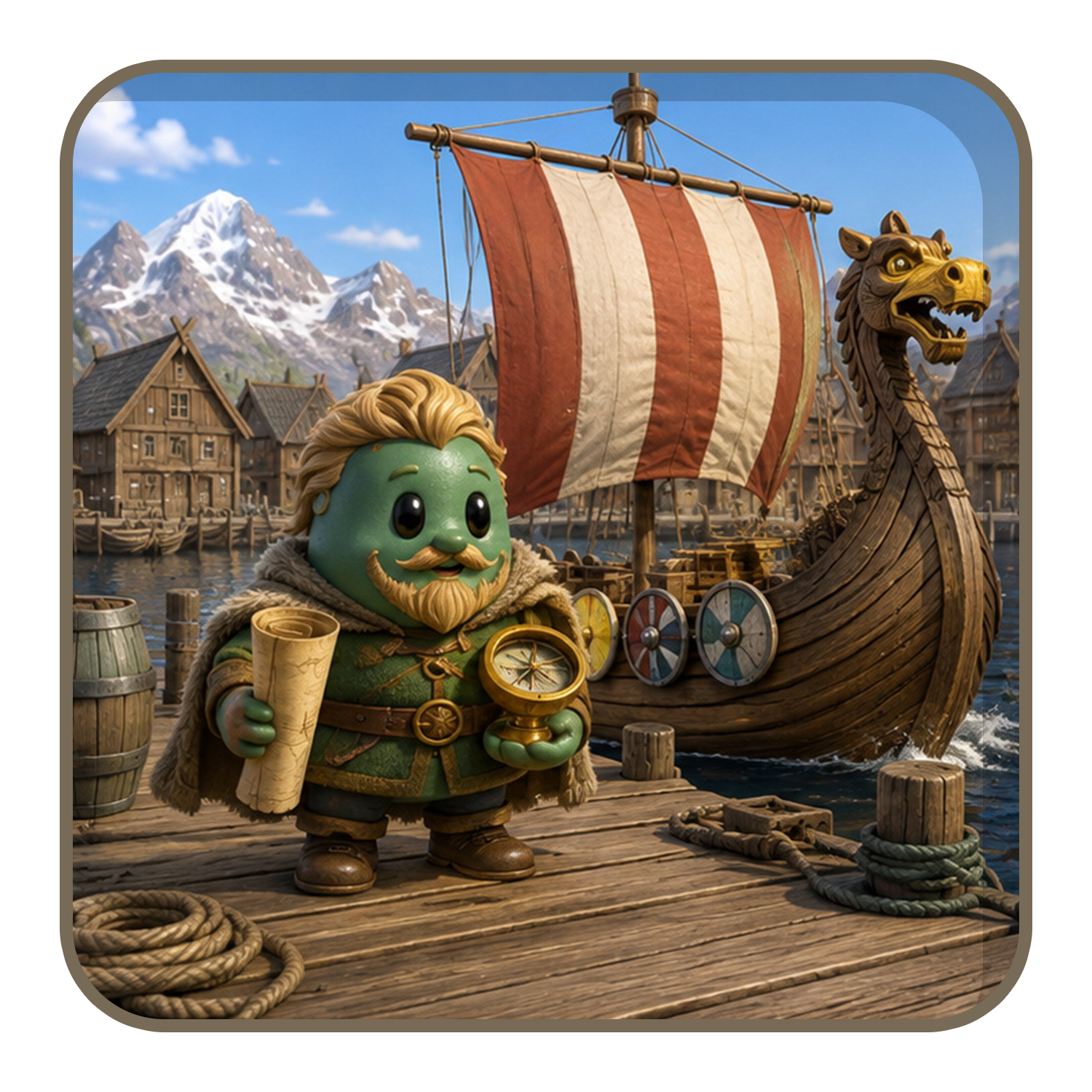
Leif Erikson Sails to Vinland
Around the year 1000, Leif Erikson crossed the North Atlantic from the Norse settlements in Greenland and reached lands in North America. The sagas call the region Vinland. This happened centuries before Christopher Columbus’s first Atlantic voyage. Archaeology at L’Anse aux Meadows in Newfoundland proves that Norse people really established a base in North America. The sagas disagree about exactly how Leif made his discovery, so the most accurate way to tell the adventure is to explain both versions and then compare them with the physical evidence.
Fun fact: A burst of radiation from the Sun helped archaeologists date Norse activity at L’Anse aux Meadows.
Read the Full Story