

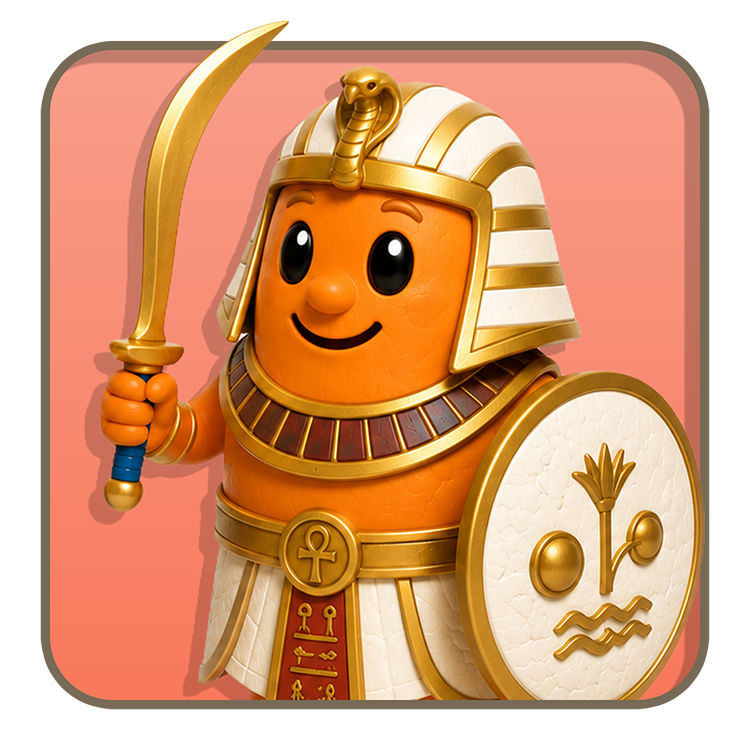
He was the son of Pharaoh Thutmose II and a woman named Iset. When his father died, Thutmose III was still a child. Hatshepsut began as regent and later took the full role of pharaoh. Thutmose remained king beside her and was not kept hidden away. Inscriptions show him in religious ceremonies, and he may have received military training. After Hatshepsut died, around the twenty-second year counted from his accession, he became the kingdom's sole ruling pharaoh. His first great campaign as sole ruler challenged a coalition of local princes gathered near Megiddo, in modern Israel. Egyptian records at Karnak describe three possible routes through the hills. Thutmose chose the dangerous central pass, apparently surprising his opponents. The Egyptians won the battle, but their enemies escaped into the fortified city while soldiers collected abandoned goods.
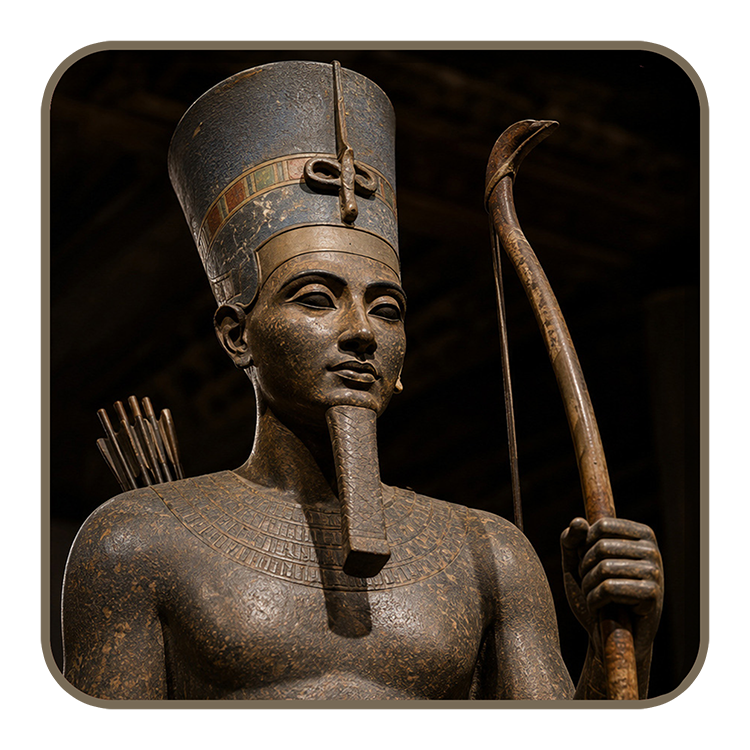
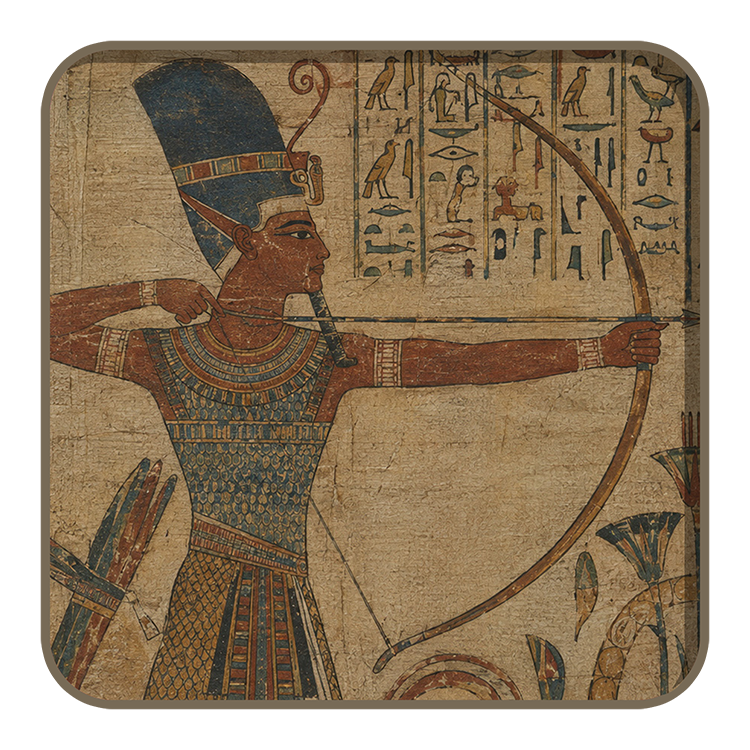
Megiddo then endured a long siege before surrendering. This account is one of the earliest detailed descriptions of a military campaign. Thutmose led many further expeditions, traditionally counted as seventeen campaigns. He crossed the River Euphrates and fought against the kingdom of Mitanni, while cities in the region sent goods and hostages. Egypt also controlled Nubia to the south, an important source of gold and other resources. Temple inscriptions call foreign gifts 'tribute', but such words were part of royal propaganda. The campaigns built an empire through force, negotiation, local rulers and carefully managed supply lines, not through one warrior acting alone. At home, Thutmose added extensively to the temple of Amun at Karnak. His Festival Hall contains unusual carved plants and animals said to come from lands reached by his armies.
He erected obelisks, several of which were later moved far from Egypt. One now stands in Istanbul, another in Rome and a pair known as Cleopatra's Needles stand in London and New York. Despite that nickname, the paired obelisks were made for Thutmose III many centuries before Cleopatra lived. Late in his reign, images and names of Hatshepsut were removed from some monuments. Historians once explained this as immediate revenge by an angry stepson, but the timing makes that simple story doubtful. The changes began many years after her death and may have been intended to strengthen the future succession of Thutmose's son Amenhotep II. We cannot know the ruler's private feelings.




Hi! I’m Jocelyn, and I created Mythfits Society to make discovering ancient myths easier, more interesting and much more fun.
Read My Story