
English records describe a large Viking force arriving in East Anglia in 865. The Anglo-Saxon Chronicle calls its leaders “heathen” kings and later names brothers including Halfdan and Ubba. Ivar’s name appears most clearly in Irish annals as Ímar, a powerful Norse ruler active in Ireland and Britain. Many historians think Ímar and Ivar the Boneless were the same man, but the surviving evidence cannot prove this beyond all doubt. The army moved north and captured York in 866. Northumbria was already divided by a struggle between two rival kings, Ælla and Osberht. They joined forces against the invaders but were killed when they tried to retake the city in 867. Later Norse sagas claim that Ivar and his brothers attacked England to avenge their father, Ragnar Lothbrok, after King Ælla threw Ragnar into a snake pit.
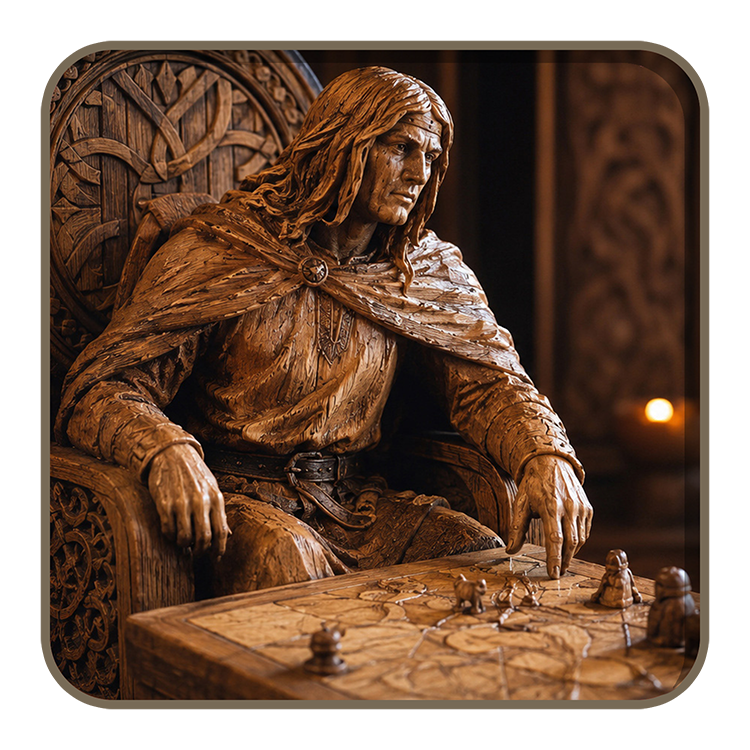
It is a brilliant revenge tale, but contemporary English sources do not record Ragnar’s death that way. From York, the Viking army campaigned through several kingdoms. It entered Mercia and spent time at Nottingham, then returned to York. In 869 it defeated and killed Edmund, king of East Anglia. Medieval Christian writers later told vivid stories about Edmund’s martyrdom. Ivar is sometimes made personally responsible, yet accounts written close to the event give few details. The invasion was a complex military campaign, not one simple adventure led by a single character. Irish annals record Ímar fighting alongside a leader called Amlaíb. Their forces were involved in battles across Ireland and around the Irish Sea. In 870, they besieged the fortress of Dumbarton in present-day Scotland for four months.
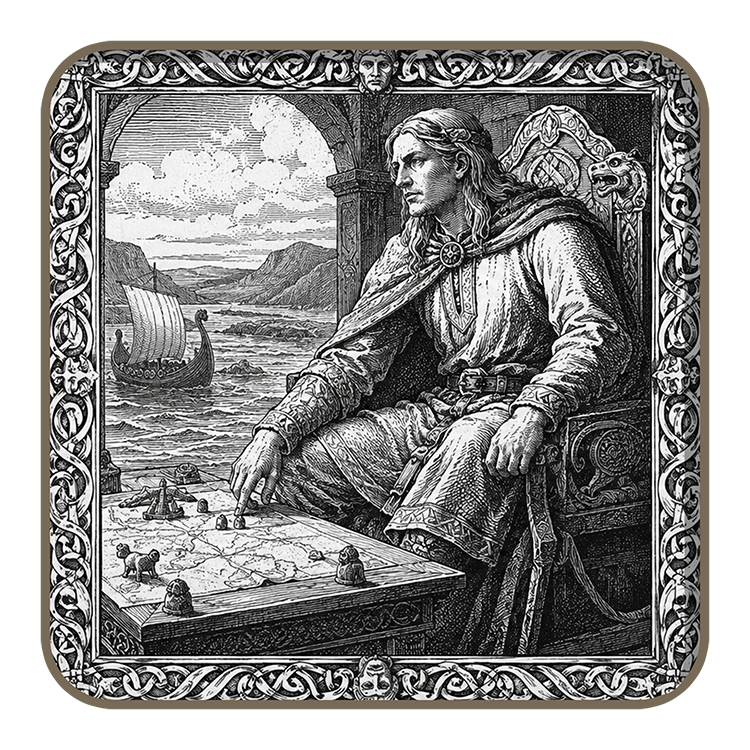
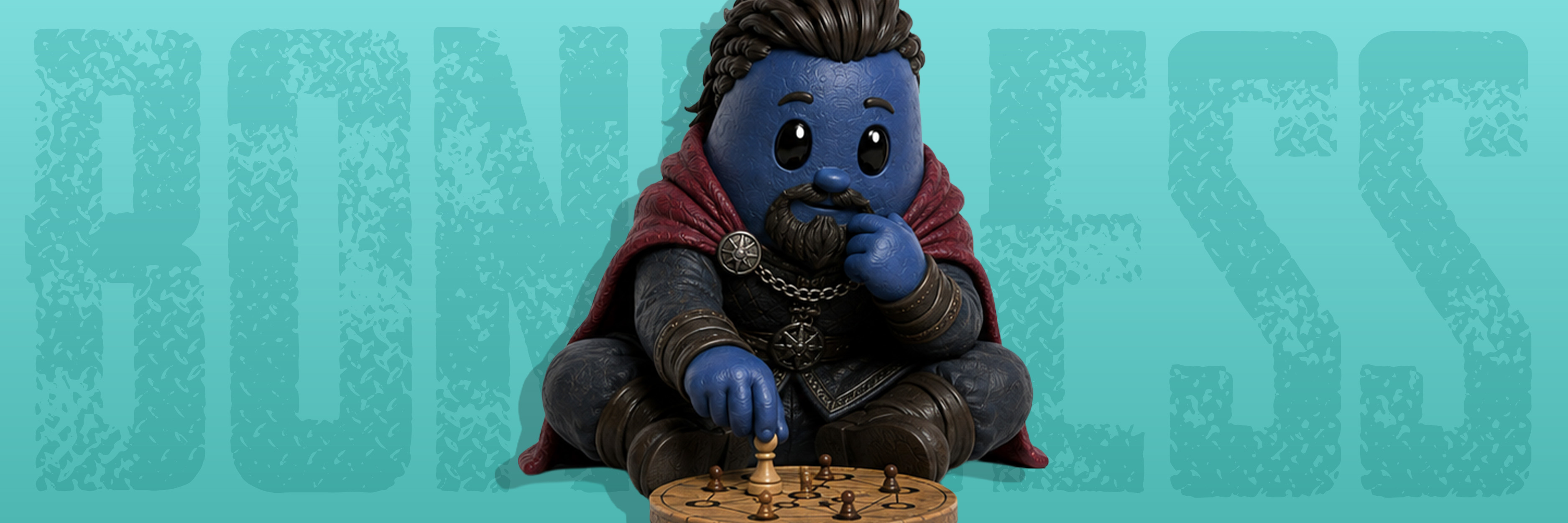
The following year they returned to Dublin with captives and treasure. When Ímar died in 873, an Irish annal called him king of the Norsemen of all Ireland and Britain, which shows the enormous reach of his power. What did “Boneless” mean? Nobody knows. Later writers offered different clues. It might describe a disability, unusual flexibility, a problem walking, or simply be a figurative nickname. One saga presents Ivar as exceptionally clever and says he had no bones, but that is not a medical report. Modern claims that he definitely had a particular condition go further than the evidence allows. Viking nicknames could be teasing, symbolic or surprisingly literal.




Hi! I’m Jocelyn, and I created Mythfits Society to make discovering ancient myths easier, more interesting and much more fun.
Read My Story