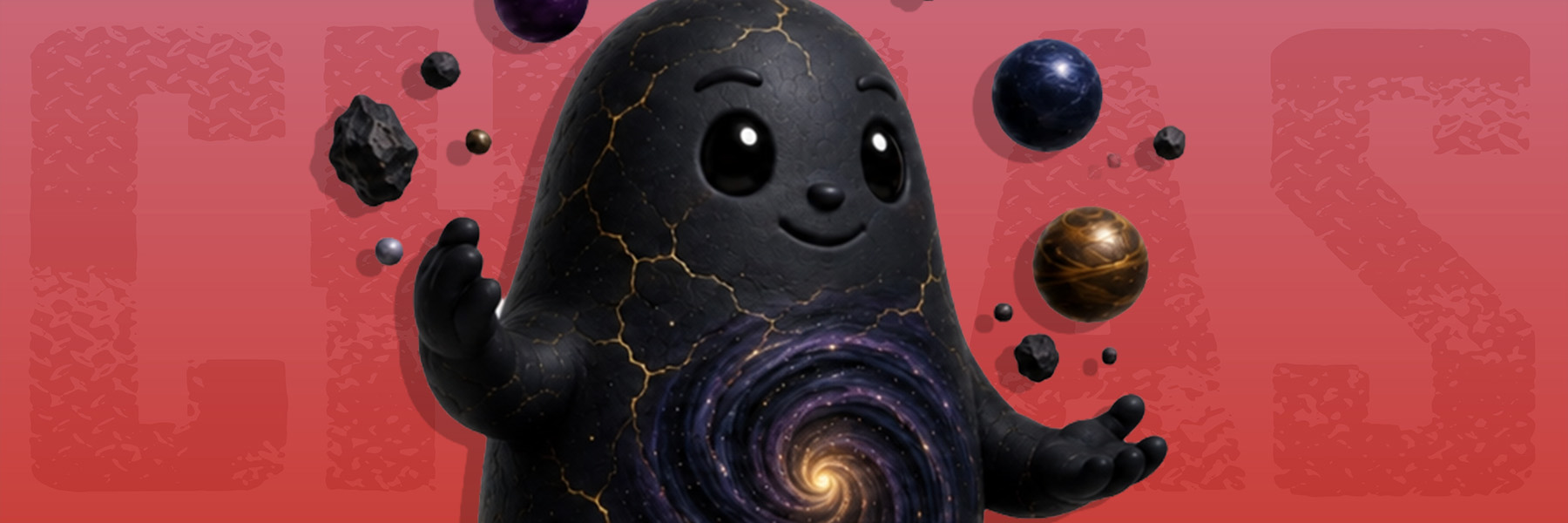
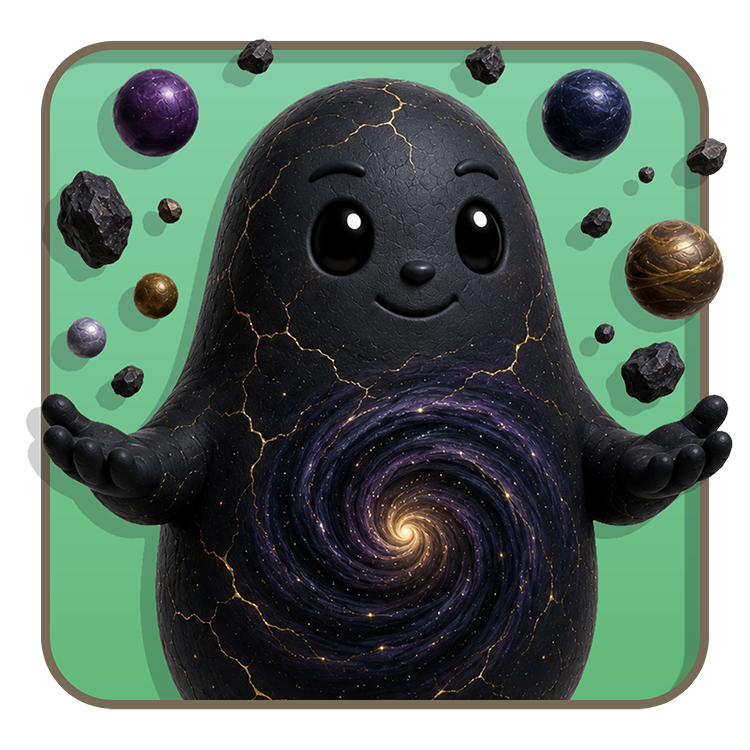
Chaos appears right at the beginning of one of the oldest Greek creation stories. Before Zeus, before the Titans, before Mount Olympus and even before the Earth itself, there was Chaos. Today, ‘chaos’ means complete confusion or a gigantic mess. If your bedroom floor has vanished under clothes, books and toys, somebody might call it chaos! The ancient Greek idea was different. Chaos was more like a huge gap, opening or empty space at the beginning of everything.
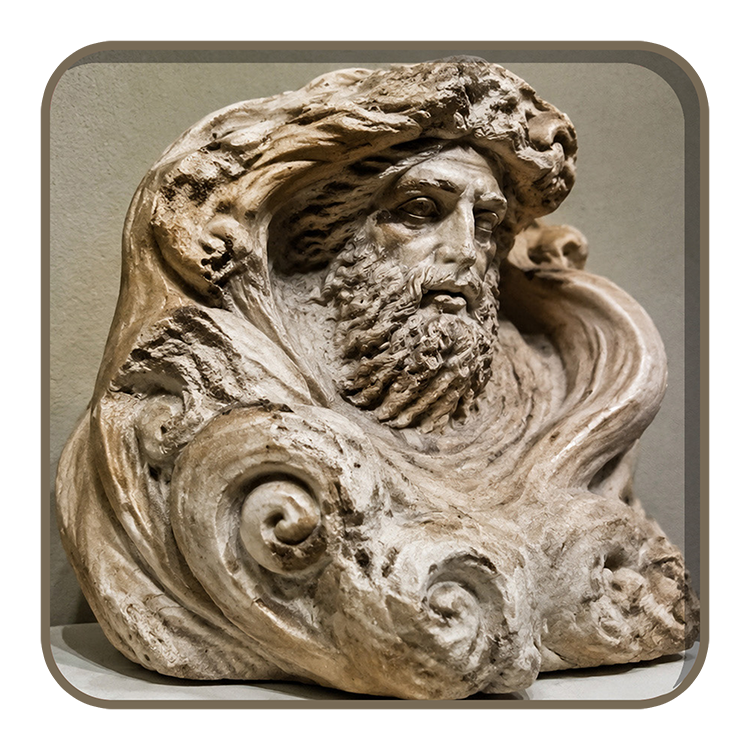
After Chaos came other ancient powers, including Gaia, the Earth, Tartarus, the deep abyss, and Eros. Chaos also produced Erebus, the darkness, and Nyx, the night. Nyx and Erebus then became parents of Aether, the bright upper air, and Hemera, the Day. Greek mythology often turns parts of nature into characters and families, so Night, Darkness and Day can actually be related to each other. It is a strange but brilliant way of imagining how the universe came together.
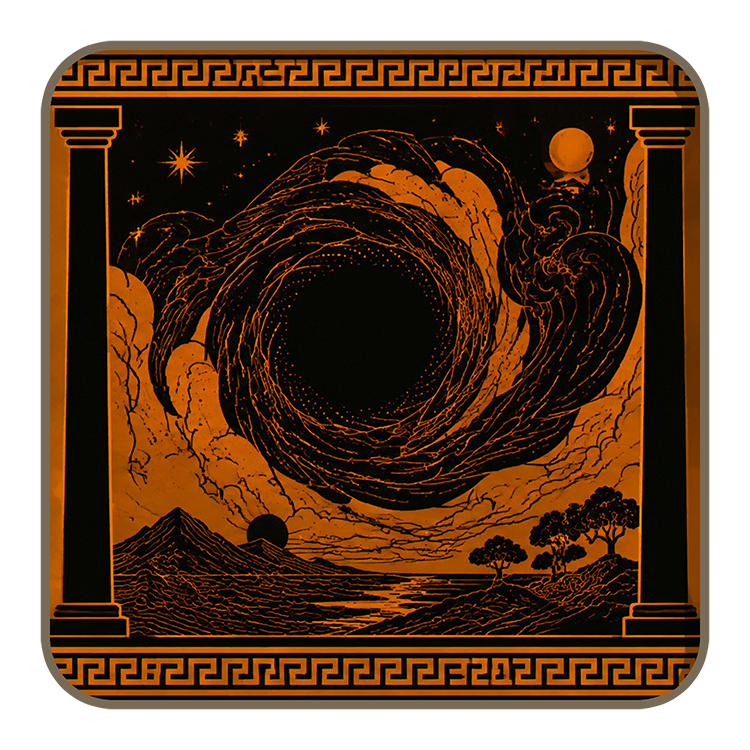
Chaos does not behave like Zeus or Poseidon. There are no stories about Chaos throwing lightning, fighting monsters or falling in love. It is important because it is there at the very beginning, before the familiar world exists. Different ancient writers later imagined creation in slightly different ways. The Roman poet Ovid, for example, described Chaos more like a mixed-up jumble of all the materials that would eventually become the organised world. For the early Greek version, the easiest way to picture it is as the mysterious gap before everything else. Then Gaia appears, the sky arrives, gods are born and the adventures can begin. So next time somebody says your room is ‘complete chaos’, you can point out that technically it needs to be an enormous empty chasm before the universe exists!


Hi! I’m Jocelyn, and I created Mythfits Society to make discovering ancient myths easier, more interesting and much more fun.
Read My Story