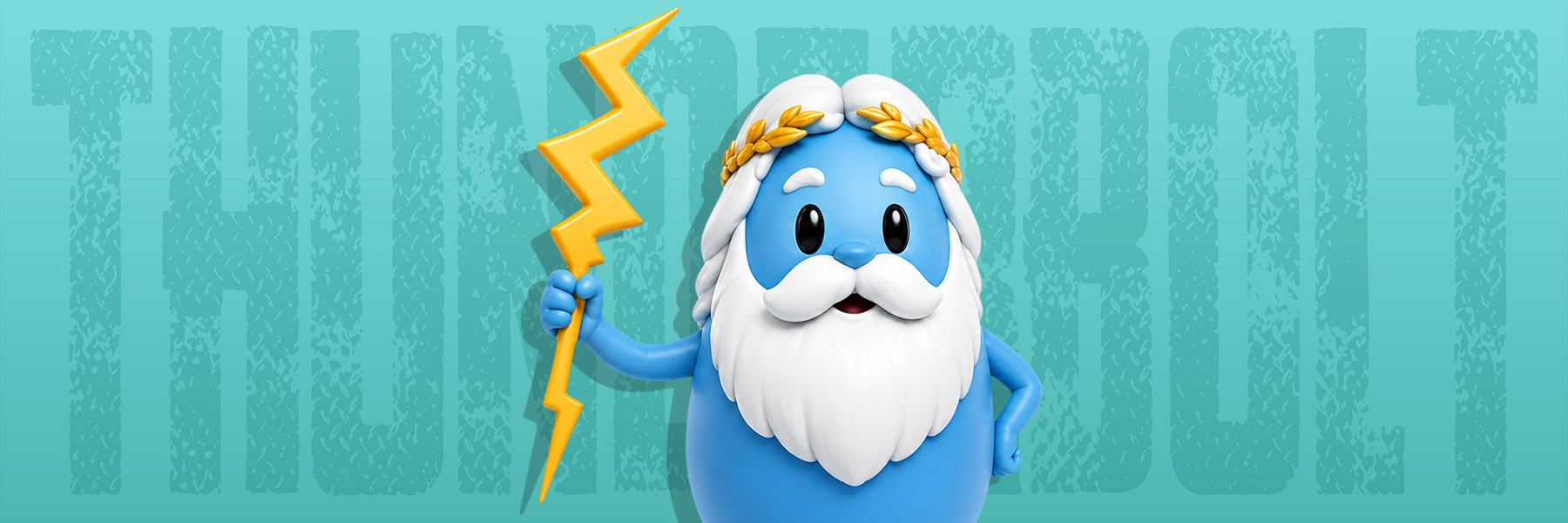
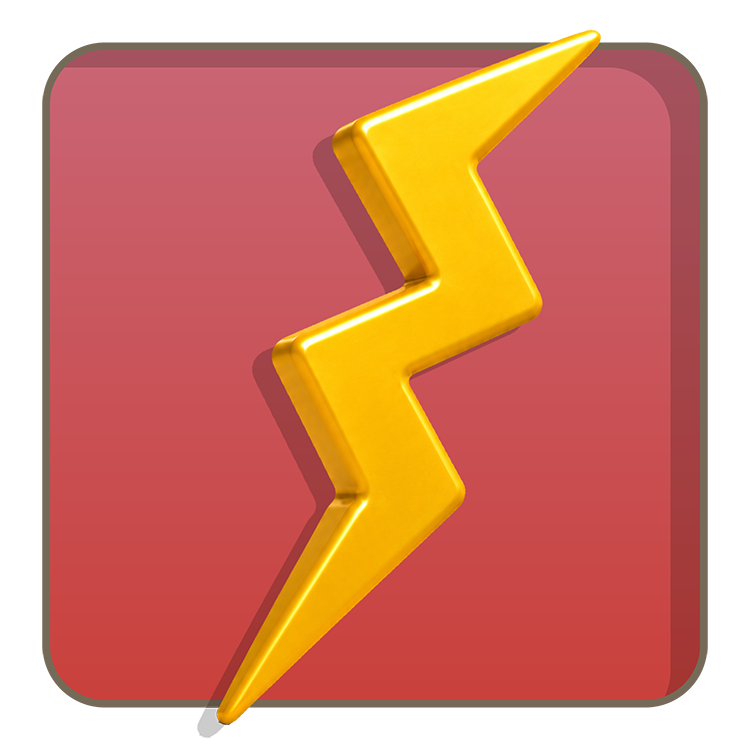
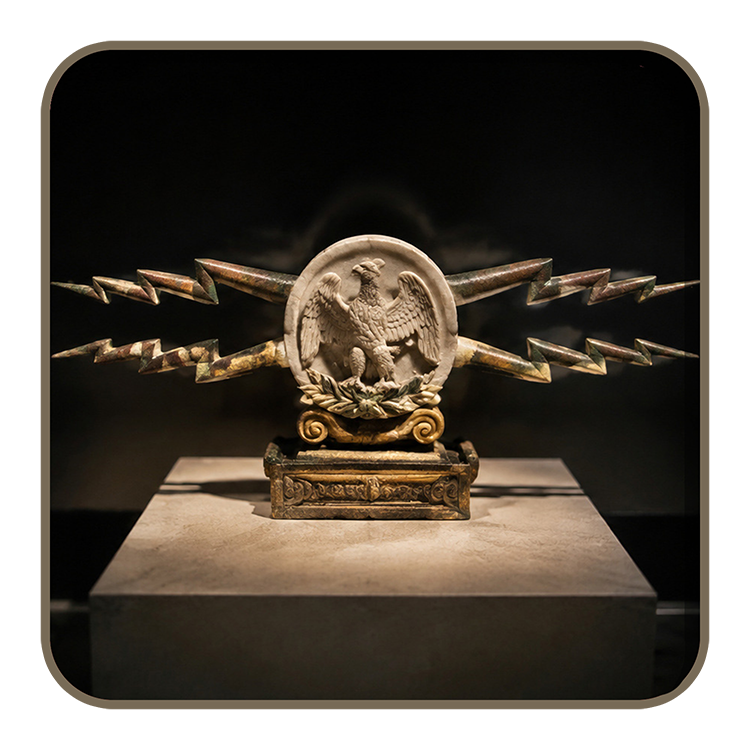
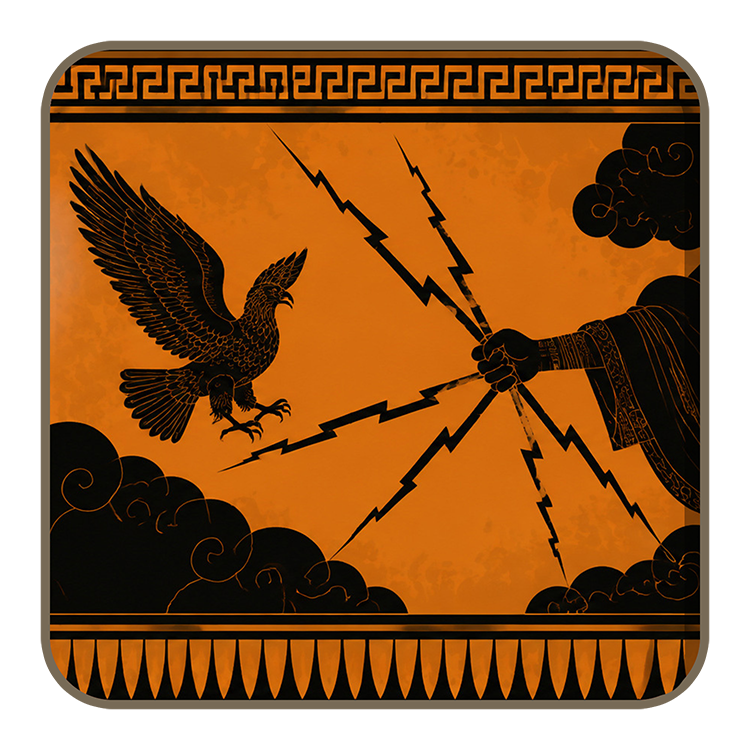
Ancient writers describe the weapon in different ways. Sometimes Zeus throws a single blazing bolt. Elsewhere he seems to possess an endless supply kept ready for battle. Artists often show it as a bundle of flames or jagged spikes held in one hand. It can look rather like a flower, a spearhead or two pointed cones joined at the centre. An eagle may carry it beside Zeus. These repeated shapes helped people identify the god immediately on pottery, statues and coins, even when there was no written label. The thunderbolt ends the great war with the Titans, but Zeus also uses it against later challengers. When the monster Typhon tries to overthrow him, Zeus burns his many heads and shakes the whole world with thunder. He strikes the giant Mimas during the battle with the Giants.
In another story, Phaethon loses control of the Sun's chariot and scorches Earth, so Zeus stops the disaster with a bolt. The weapon protects order, yet its force is frightening because a solution from Zeus can be as destructive as the danger. One of the saddest stories concerns Asclepius, the brilliant healer. After Asclepius begins bringing dead people back to life, Zeus kills him with a thunderbolt because the boundary between life and death is being broken. Apollo, Asclepius's father, cannot attack Zeus, so he kills the Cyclopes who made the weapon. Zeus punishes Apollo by making him serve a mortal king. This chain of anger shows that even a divine weapon creates consequences. Power may settle one problem while beginning another. Zeus also uses lightning to enforce promises and punish serious offences.
Greek people could call him Zeus Horkios, protector of oaths, or Zeus Xenios, protector of guests. A sudden storm might therefore feel like more than weather. It could suggest that the god was watching human behaviour. Real worship was more complicated than adventure stories, but thunder naturally made Zeus seem close, loud and impossible to ignore. Temples and coins sometimes displayed the bolt as a symbol of protection for a whole city. The Romans identified Zeus with Jupiter and kept the thunderbolt as his main weapon. Roman emperors used it in art to suggest authority, and it has remained a symbol of speed, electricity and overwhelming power ever since.




Hi! I’m Jocelyn, and I created Mythfits Society to make discovering ancient myths easier, more interesting and much more fun.
Read My Story