
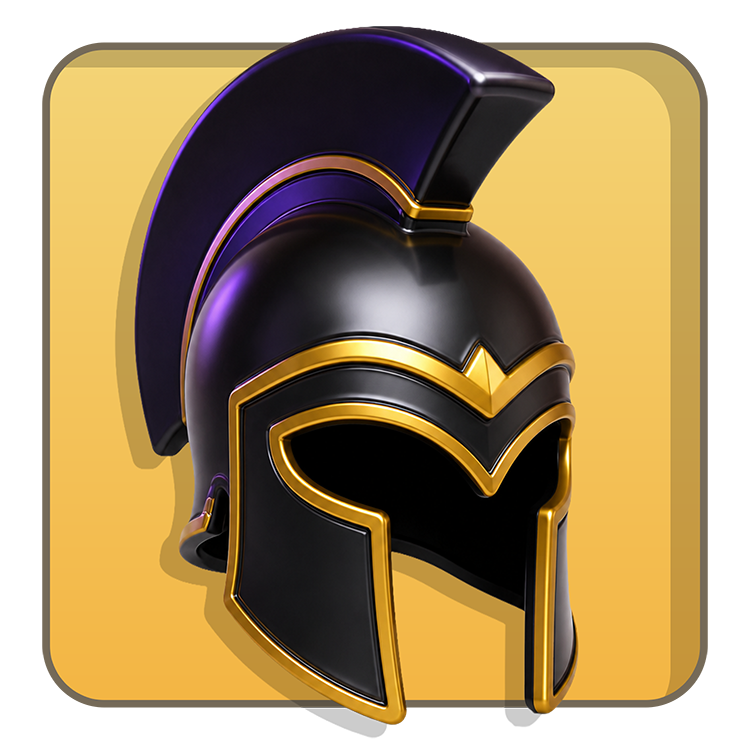
According to an important later tradition, the Cyclopes create three gifts after Zeus releases them from imprisonment. Zeus receives the thunderbolt, Poseidon the trident and Hades the invisible helm. The brothers use these objects during the war against the Titans. Hades can move through the enemy's forces unseen, while Zeus and Poseidon attack openly. The exact details of this battle are expanded by later myth writers, but the set of three weapons became a clear way to show how the new gods won control of sky, sea and underworld. The helm is unusual because Hades lends it to other figures. In the Iliad, Athena puts on Hades's cap so that Ares cannot see her while she helps the Greek hero Diomedes. This is one of the earliest surviving references to the object.
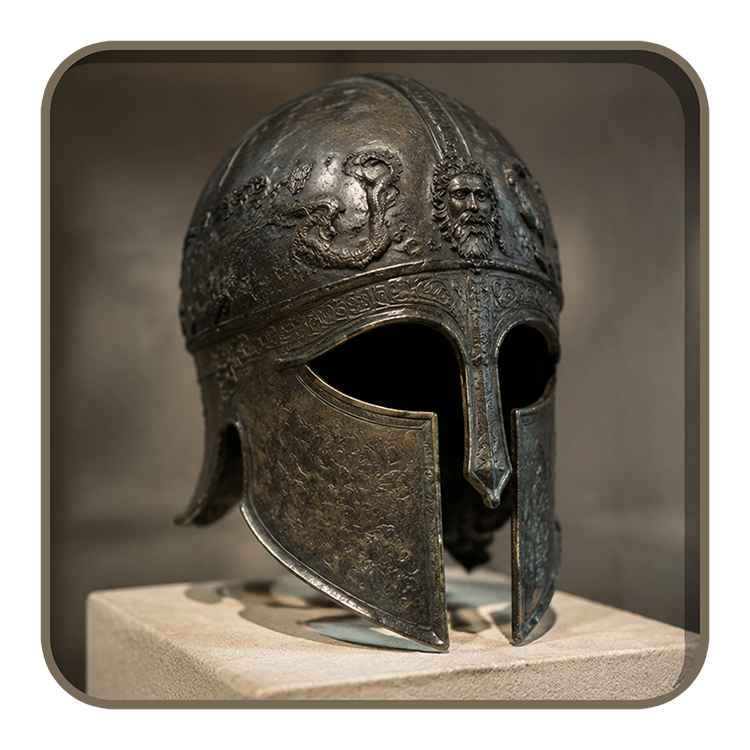
It shows that even an Olympian goddess values its power. The cap does not turn its wearer into a shadow or mist. The story simply says that divine and human eyes cannot detect the person beneath it. Perseus also receives an invisible cap when he sets out to kill Medusa. Ancient sources disagree over who supplies all his equipment. The special bag, winged sandals, curved blade, reflective shield and cap can come from nymphs or gods in different combinations. After Perseus cuts off Medusa's head, the Gorgon's immortal sisters chase him. The cap hides him as he escapes. This adventure makes invisibility part of a clever plan rather than a power used for mischief. Hades himself is not frequently shown wearing the helm in ancient art. Artists needed viewers to recognise him, so making him invisible would have been rather unhelpful.
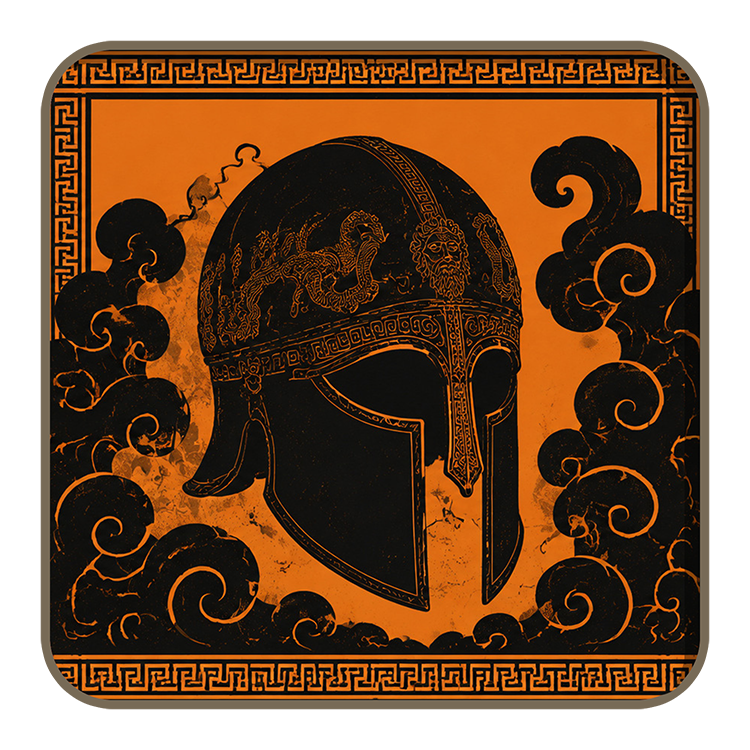
Instead, he may carry a sceptre, sit on a throne or stand beside Cerberus. The helmet is more important in stories than in portraits. Its owner is also less likely than Zeus or Poseidon to leave his kingdom and display a weapon. Hades rules through firm boundaries, not constant battles. Modern retellings often call the object the Helm of Darkness and give it extra powers, such as creating fear or shadows. Those are creative additions, not standard ancient facts. The Greek idea is simpler and, I think, more interesting. A king whose realm is hidden beneath the earth owns an object that hides anyone who wears it.


Hi! I’m Jocelyn, and I created Mythfits Society to make discovering ancient myths easier, more interesting and much more fun.
Read My Story