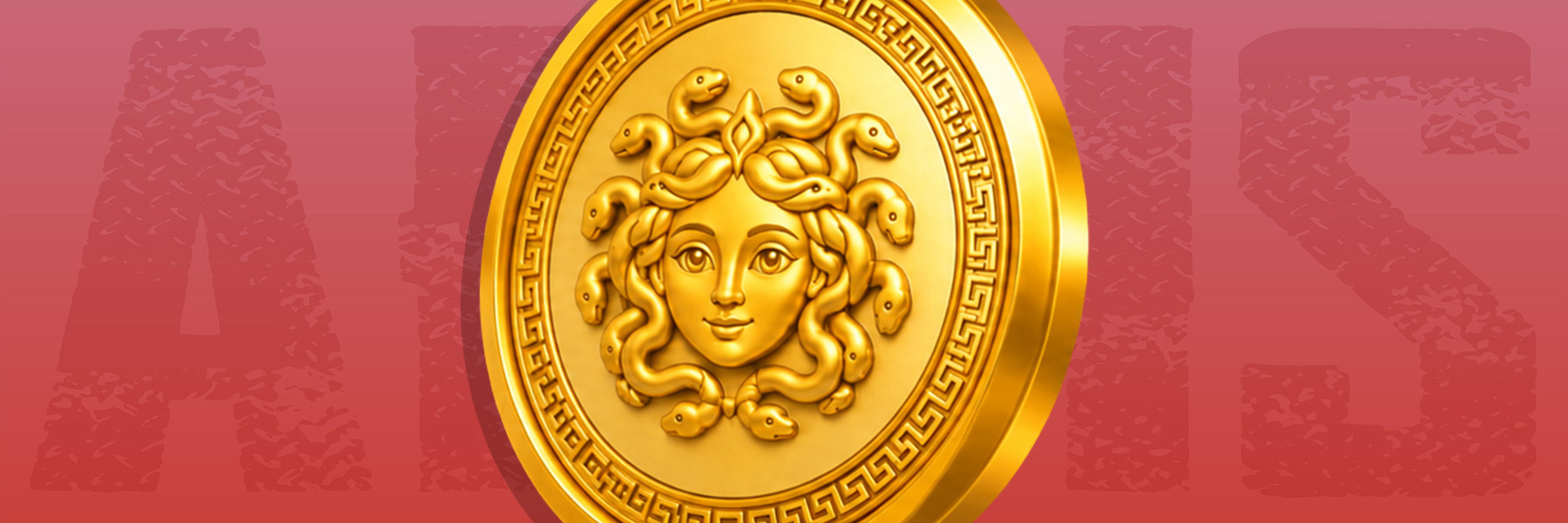
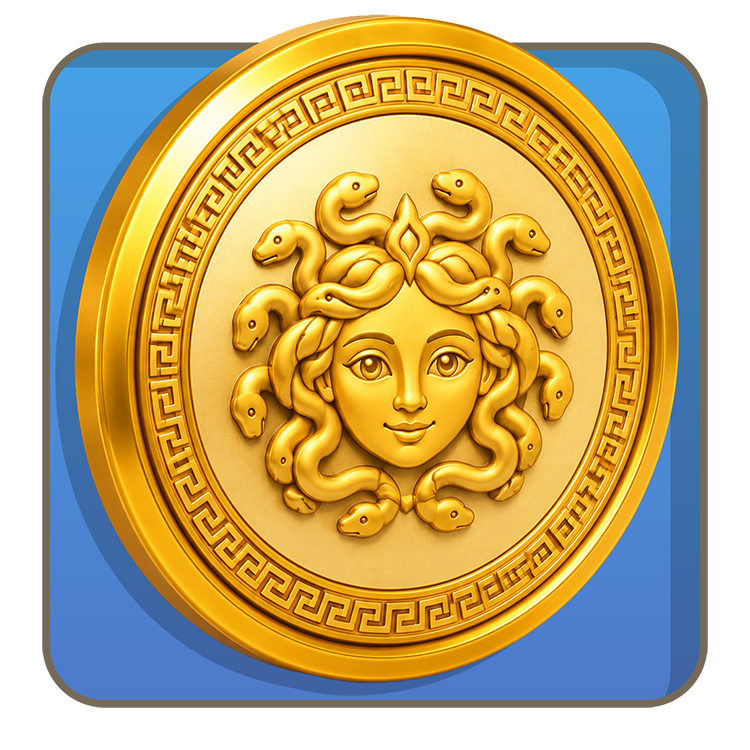
The aegis originally belongs closely to Zeus. In Homer's Iliad, Zeus is the aegis-holder, and Athena sometimes borrows or carries his protection. Later art makes the object especially recognisable as Athena's. This shared ownership suits their relationship: she is born from Zeus's head and acts as his trusted daughter in war and government. It also explains why the aegis represents authority as well as defence. A warrior protected by Zeus's own emblem appears to carry the backing of the king of the gods. After Perseus kills Medusa, he gives the Gorgon's head to Athena. She fixes it to her aegis, where its gaze continues to terrify enemies. Some ancient sources arrange details differently, and images of Gorgon faces existed very early, but the Perseus story became the best-known explanation.
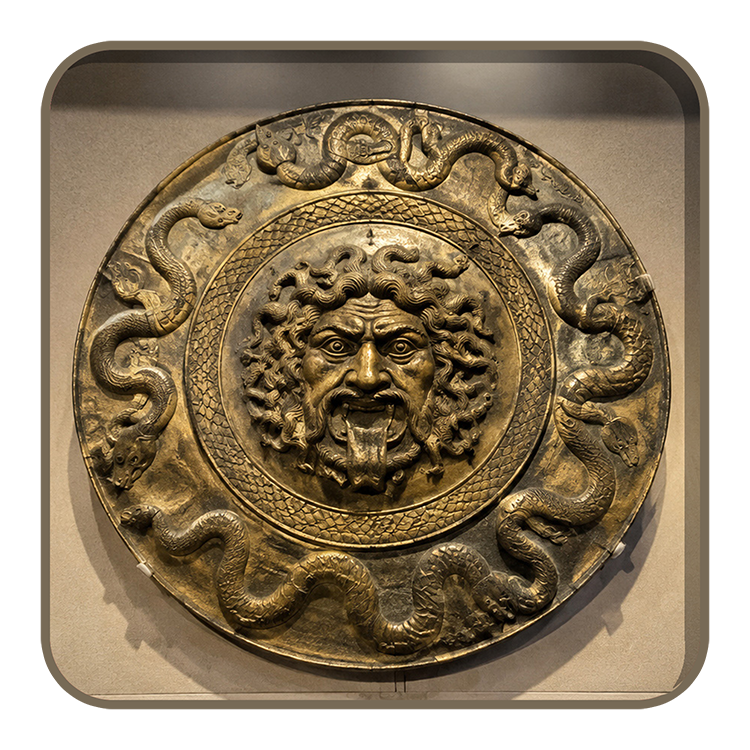
The face is called a gorgoneion. Greeks placed similar images on temples, armour and household objects because something frightening could be used to frighten danger away. In battle scenes, Athena is a controlled and thoughtful warrior rather than a figure of wild rage. Her helmet, spear, shield and aegis all suggest preparation. During the Trojan War she uses the aegis to support chosen fighters and frighten opposing armies. Homer describes it with tassels, each worth a great price, and with powerful figures such as Fear, Strife and Pursuit upon it. These details make the object feel like a whole storm of battle worn over one divine arm or shoulder. The word aegis eventually came to mean protection or sponsorship.
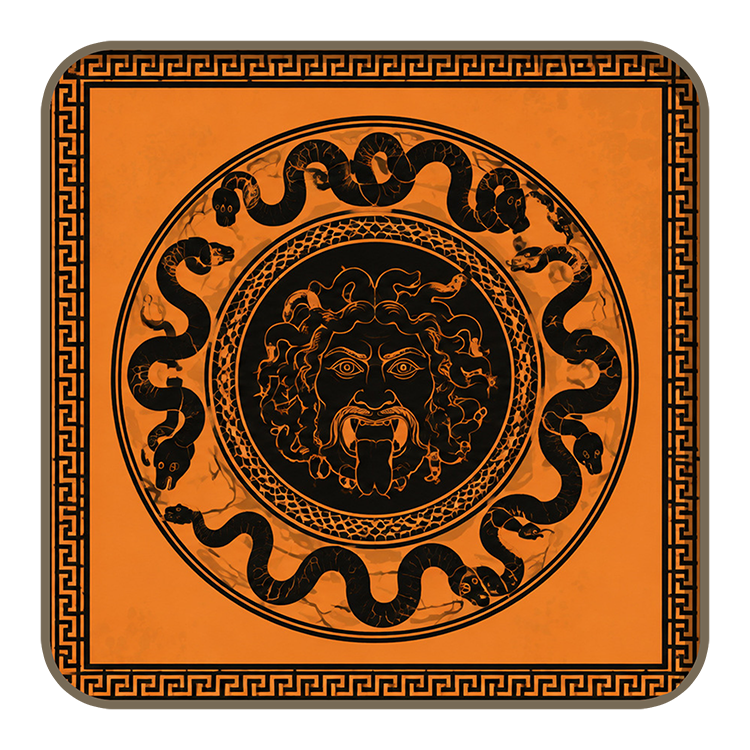
If a project happens 'under the aegis' of an organisation, it is carried out with that organisation's support. This modern phrase keeps the ancient idea of powerful protection even though no shield is present. Athena's aegis has also appeared in royal emblems, military art and modern fantasy, sometimes as a metal breastplate and sometimes as an actual shield. It is worth keeping the aegis separate from Athena's ordinary round shield. Artists may show both, or may blend their appearance, which is why modern pictures are inconsistent. There was no single instruction sheet followed by every Greek sculptor. I think that variety adds to the object's power.


Hi! I’m Jocelyn, and I created Mythfits Society to make discovering ancient myths easier, more interesting and much more fun.
Read My Story