
Ahmose grew up in a royal family shaped by war. His father, Seqenenre Tao, suffered terrible head wounds and probably died violently. His brother Kamose continued fighting the Hyksos but also died young. Their mother, Queen Ahhotep, seems to have played an important political role during the crisis. Ahmose inherited the throne while still young, so Ahhotep may have acted as regent. His chief wife was his sister Ahmose-Nefertari, who later became one of Egypt's most honoured queens. Much of what we know about the campaigns comes from the tomb biography of a soldier also called Ahmose, son of Ebana. He served aboard royal ships and described battles around Avaris, the Hyksos centre in the eastern Nile Delta. He recorded capturing enemies and receiving gold as a reward for bravery.
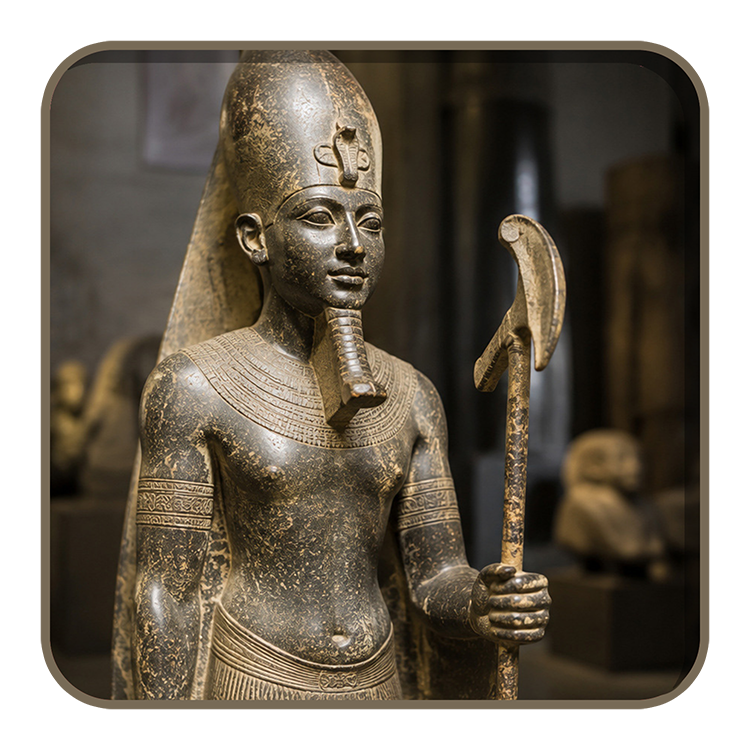
The king eventually took Avaris, pursued his opponents into southern Canaan and attacked their stronghold at Sharuhen. These victories ended Hyksos rule in Egypt, although the exact sequence remains debated. The Hyksos were not a mysterious people who suddenly arrived with impossible weapons. They were rulers of western Asian background whose communities had developed in the Delta over time. They used horses and chariots, but Egyptians also adopted and improved military technology during this era. Later royal texts presented Ahmose's victory as the restoration of proper order after foreign rule. That message helped the new dynasty explain why it deserved loyalty. Ahmose also campaigned south into Nubia, where Egypt wanted control of trade routes, land and valuable gold resources. Reunification required more than winning battles.
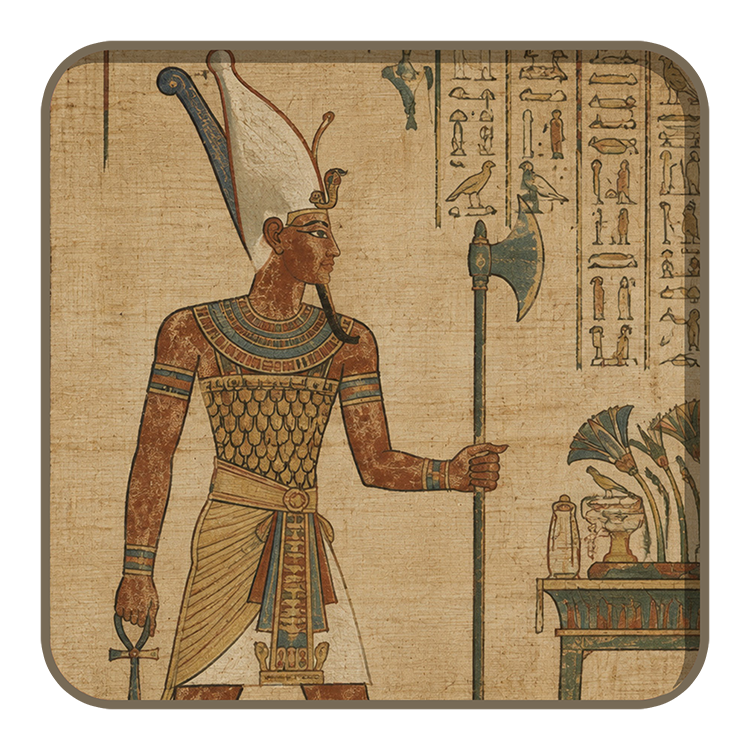
The king reorganised government, rewarded supporters and restored temples. Building remains bearing his name have been found at Abydos, Karnak and other sites. At Abydos he created a pyramid-shaped memorial complex, although New Kingdom rulers would soon choose hidden rock-cut tombs near Thebes instead of giant pyramids. An inscription set up by Ahmose describes a violent storm that damaged temples and tombs. Scholars debate whether it records an unusual natural storm, political disorder or something connected with the volcanic eruption of Thera. There is no settled answer. This is a useful reminder that one damaged text can inspire several explanations. Historians compare its words with archaeology, climate evidence and Egyptian dating before deciding what it can truly prove.



Hi! I’m Jocelyn, and I created Mythfits Society to make discovering ancient myths easier, more interesting and much more fun.
Read My Story